
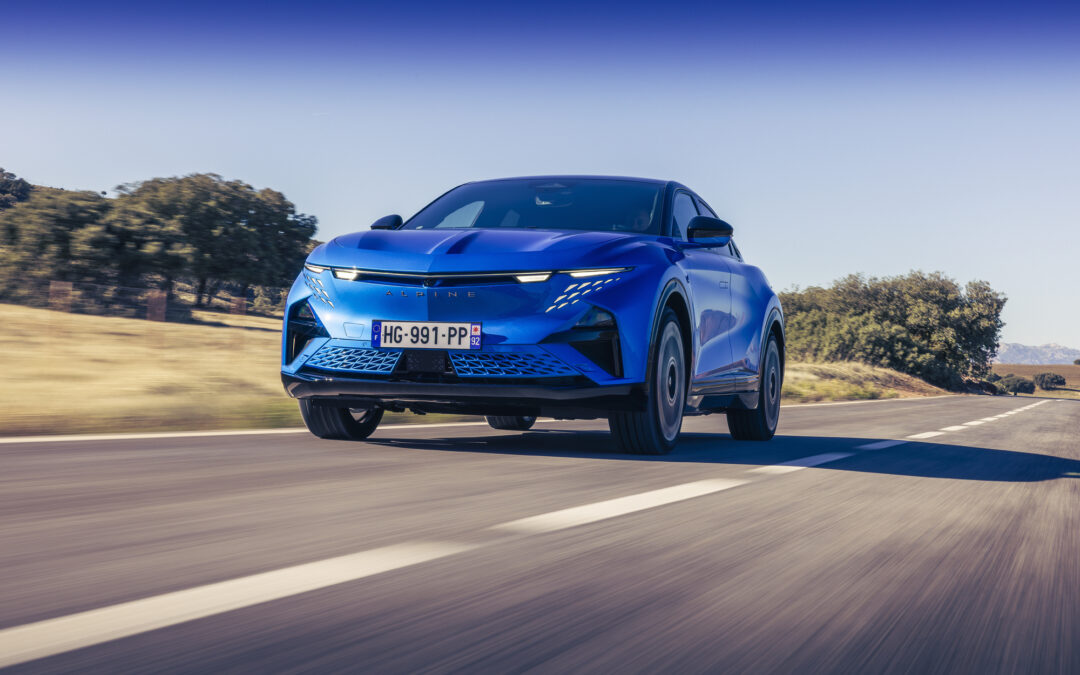
Sorry America, we’ve got bad news: you can’t buy Europe’s best electric SUV
Four things we love about the Alpine A390, and one we hate
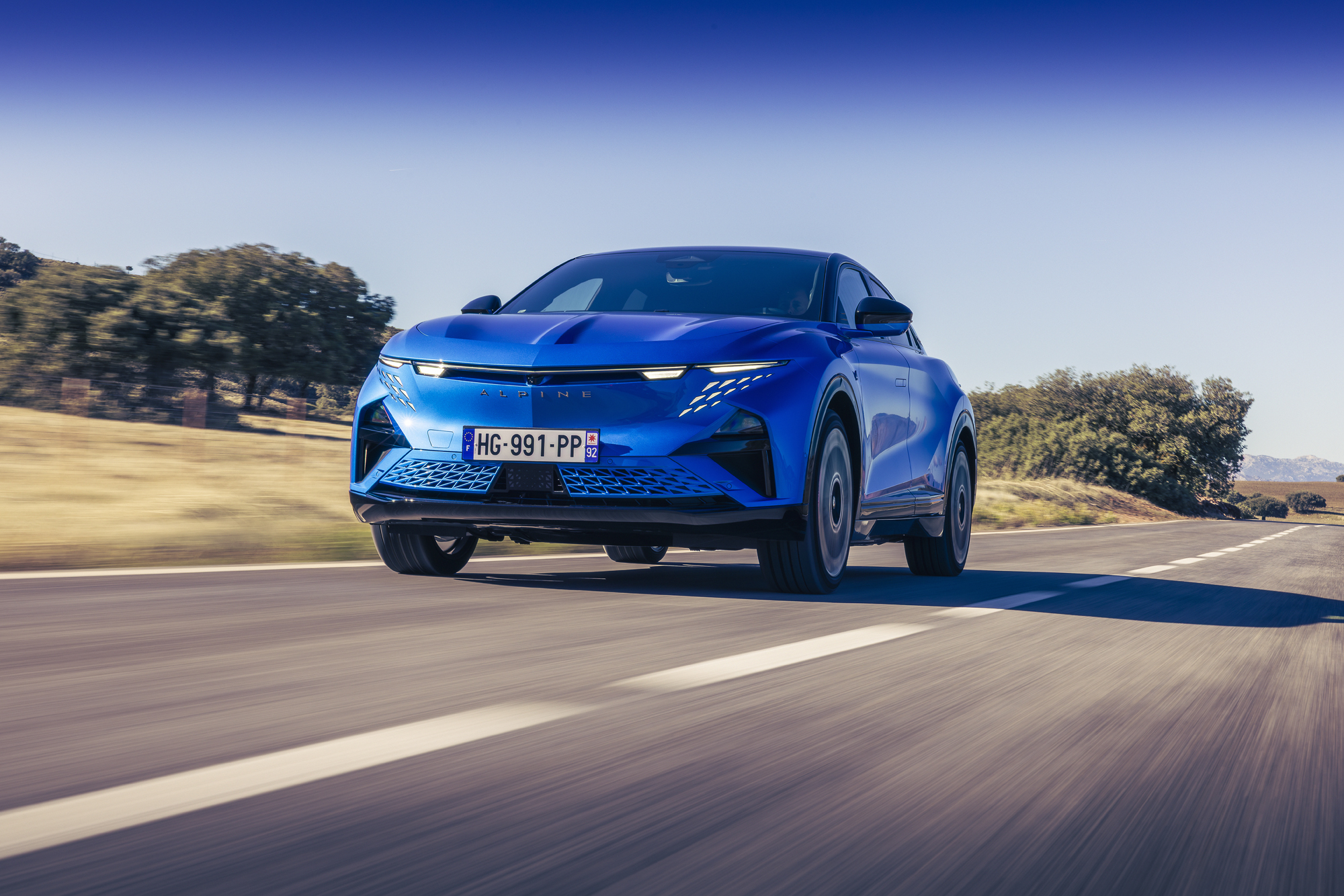
We can hear the boos and cat-calls from here. Not only has Alpine – maker of the delicious lightweight A110 two-seater – decided to launch an SUV. It’s compounded that sacrilege by making the A390 all-electric. And then Alpine’s gone even further and said that it heralds the completely unforgiveable – an electric A110
1. It’s as comfy as an old Town Car
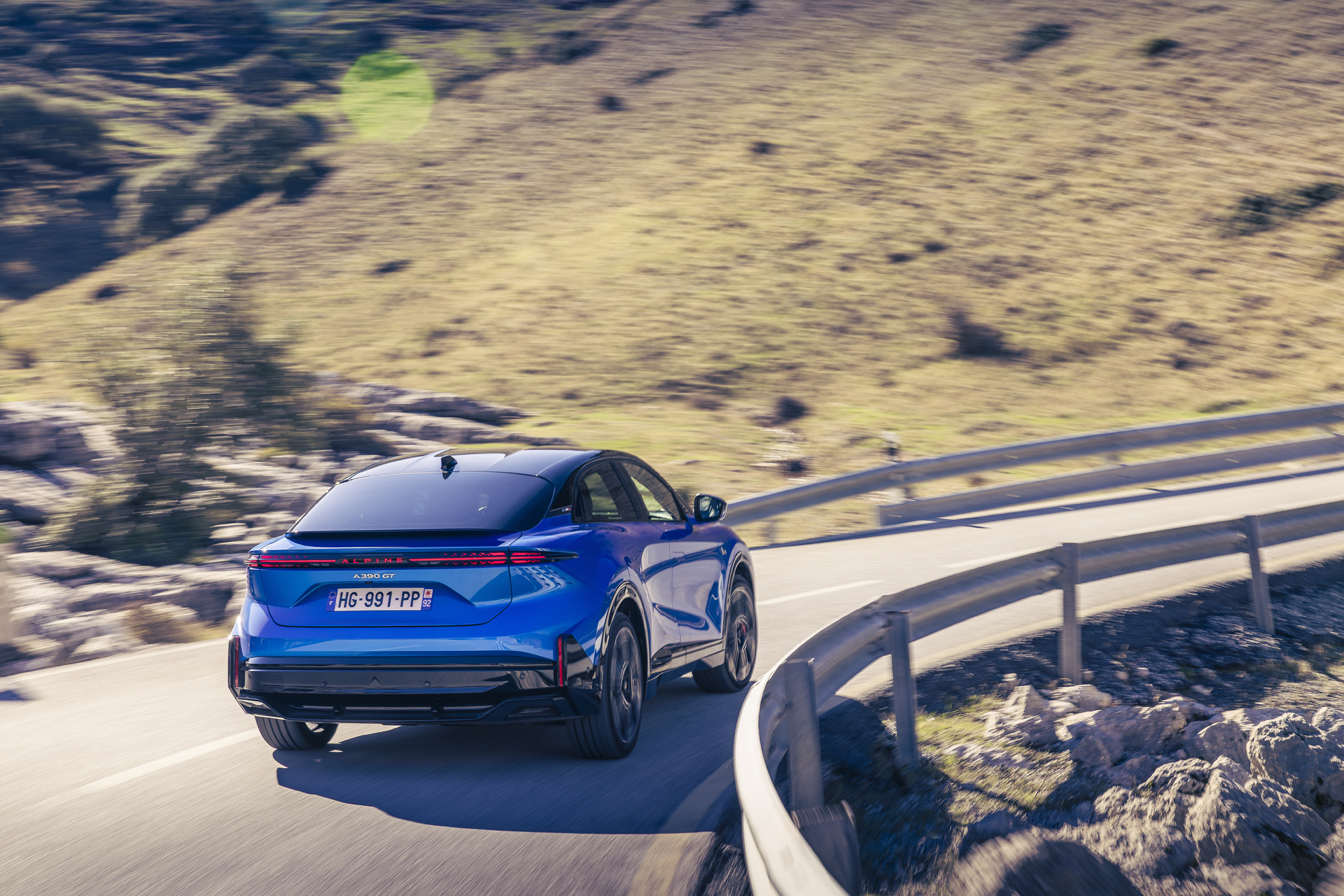
The Spanish tarmac of our test route is smoother than the UK roads we’re used to, but even so we’re surprised by how comfortable the A390 is. There’s a beautiful control to the suspension where it’s communicative but doesn’t shout, delivering just the right amount of information about the road surface at the right volume.
You don’t get the sense that it will run out of ideas in more extreme situations. It has what Alpine calls hydraulic suspension but please don’t start imagining McLaren/Land Rover’s oil-linked set-up. It is effectively a hydraulic bump-stop at the top of the damper travel, which leads to the suspension being a bit softer in extremes. It’s not unique to the A390 – the A290 and A110 also have it – but it helps with body control and gives the suspension a sense of cohesion. It’s a great basis for the car.
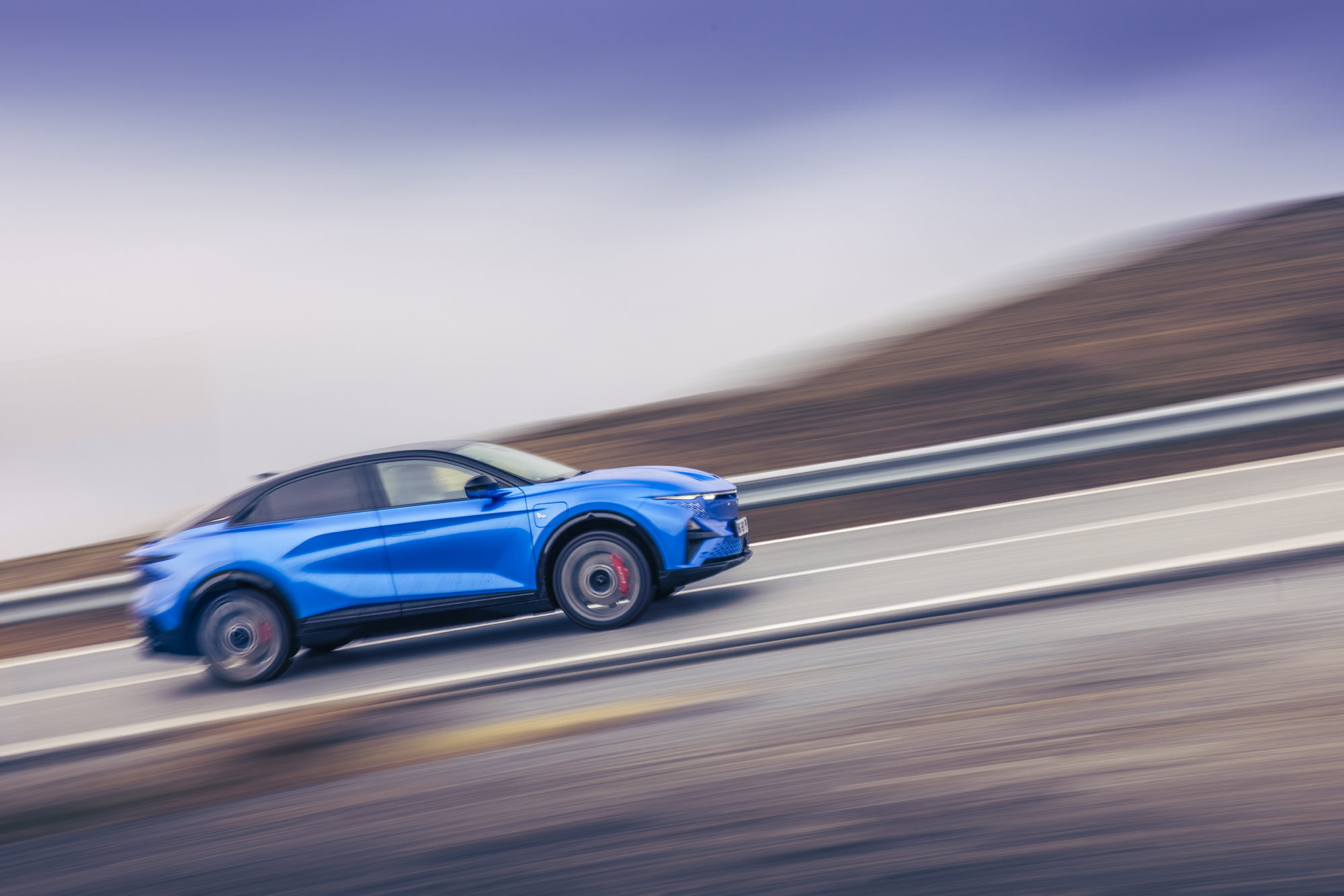
I was in the Hyundai Ioniq 6 N recently, and the Alpine is more sophisticated than the Korean four-door fastback, offering a better balance between sport and comfort in pure ride-quality terms.
It’s a relief to discover this because I was nervous beforehand. Partly that’s because Alpine’s recent history sets the bar so high, as the A110 offers a sense of fluidity despite the sports ethos. How can a 2.1-tonne SUV ever hope to replicate that?
But my apprehension was also because of the way the car is specified. It comes with two sizes of alloy wheel – 20s and 21s – with two different tyres; the smaller a more junior Michelin Pilot Sport EV, the latter a superior Pilot Sport 4S option. I was really worried that to get the better tyre you’d have to go big and that would ruin the ride quality. I needn’t have panicked. Spec away, people, and fear not.
Is it perfect? Not quite. As with a lot of suspension tied to heavy EVs, it can get flustered when there are a series of short undulations because the damping struggles to keep up.
2. The twin rear motors are as clever as Einstein
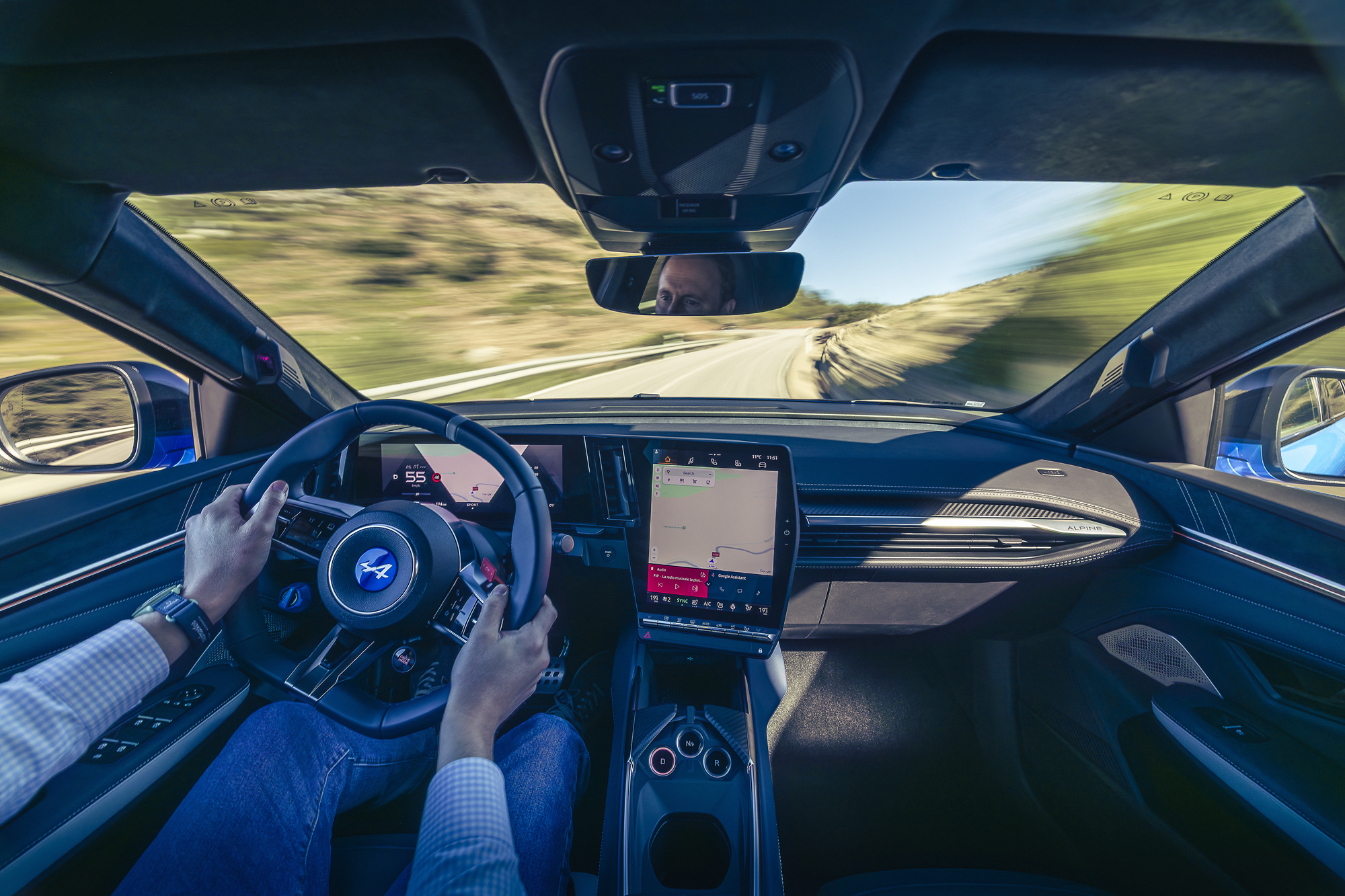
It gives a level of intrigue we’ve not found on an electric car before. There are other hardware changes compared to the Renault Megane with which it shares a platform (wider track, new steering, bigger brakes), but the torque vectoring is the most important.
The A390 has three electric motors – an induction motor at the front with two permanent-magnet rear motors that are all-new to Alpine, each with its own inverter and reduction gear.
The latter is the clever bit and gives the car the distinguishing character to separate it from its more humdrum siblings. Because the motors are able to operate independently of one another, they give the A390 active torque vectoring, which allows the car to rotate into corners more easily. A short wheelbase of just 2708mm – a Hyundai Ioniq 6 N is 2965mm – helps the agility.
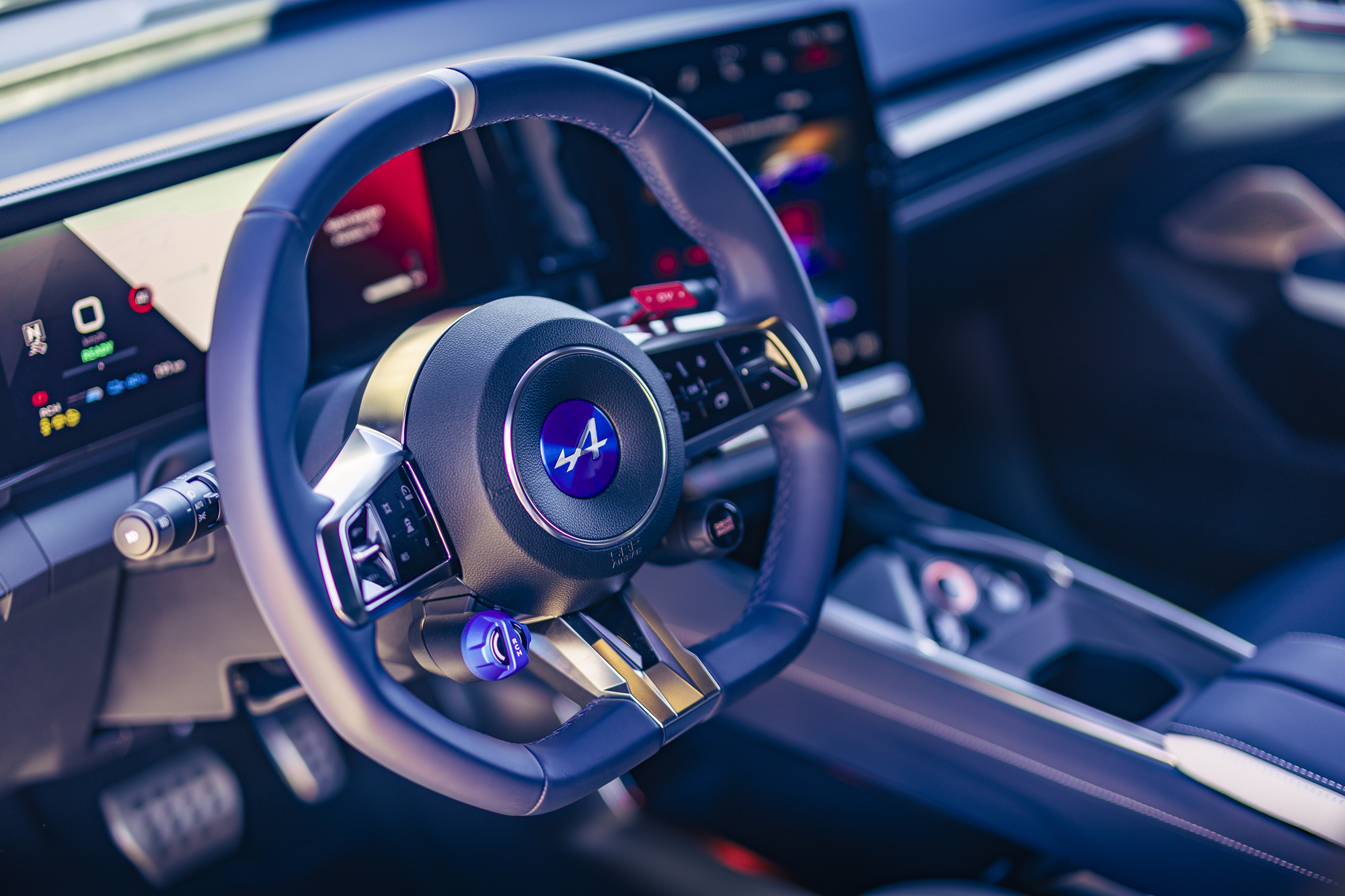
In most normal driving, it helps tighten the A390’s line and increases its agility. It also feels more natural than a four-wheel-steer system.
It can, in more extreme situations, actually lend the car a sense of humour. On one particularly sodden bit of road, with the car in Track mode, I lean on the power more through a right hander and the rear steps out ever so gently. It’s not a full-on oversteer oh-god-we’re-going-to-crash clincher, more a point where the outer rear tyre seems to be over-rotating as it loses grip. Like you’d get with a slippy diff.
It’s a wonderful moment, partly because it’s so smooth and easy that it doesn’t feel dangerous but also because it’s telegraphed through to me so well. There’s a slight hint from the seat, I apply a little bit of steering to correct it, and then we’re off again. The steering is better than in the A290 – a bit more meat, less over-assistance – so although it’s still not up there with the feel from Porsche’s electrically assisted system, it doesn’t twirl with the 290’s milkfloat vibe.
3. It looks great
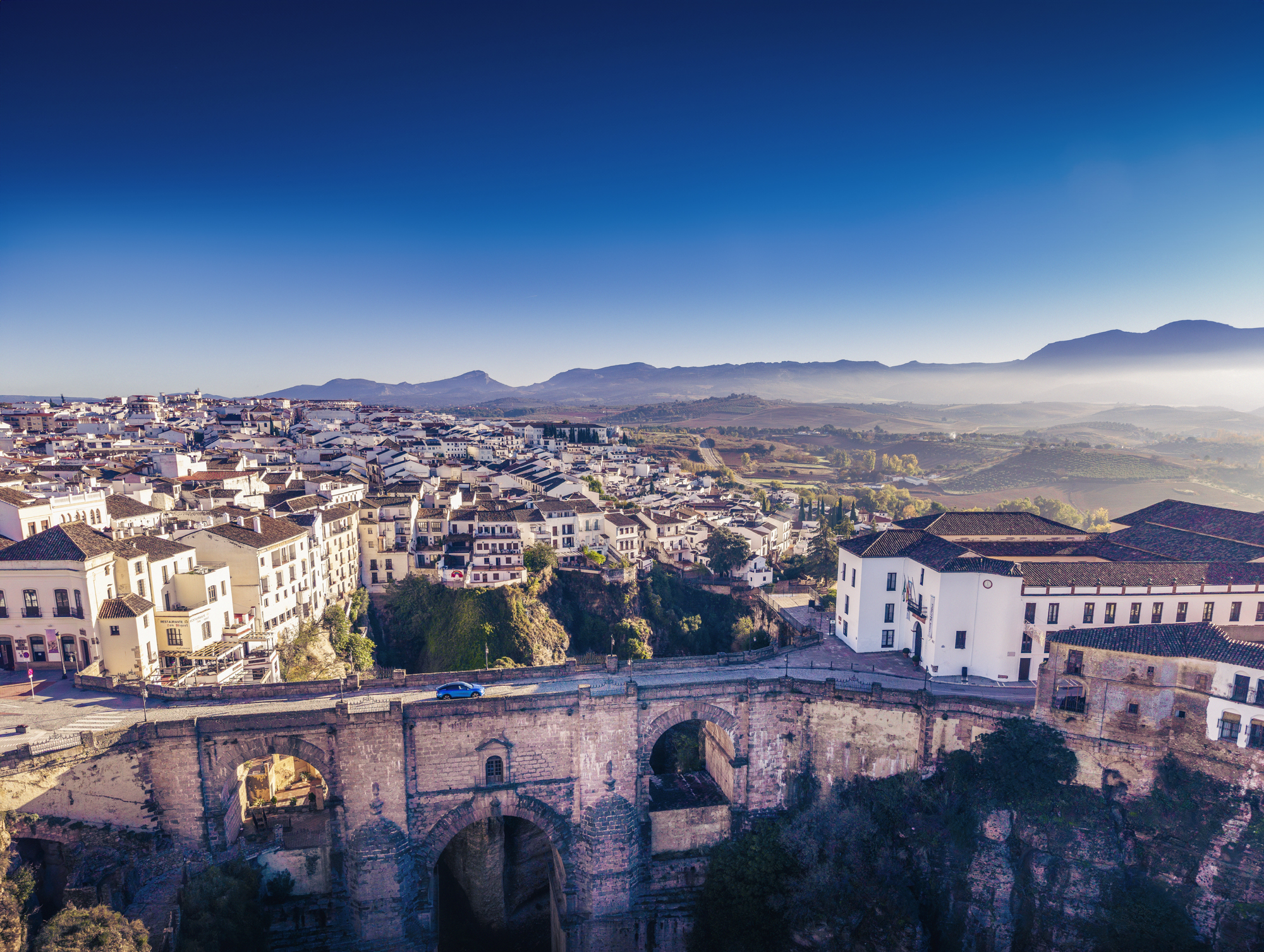
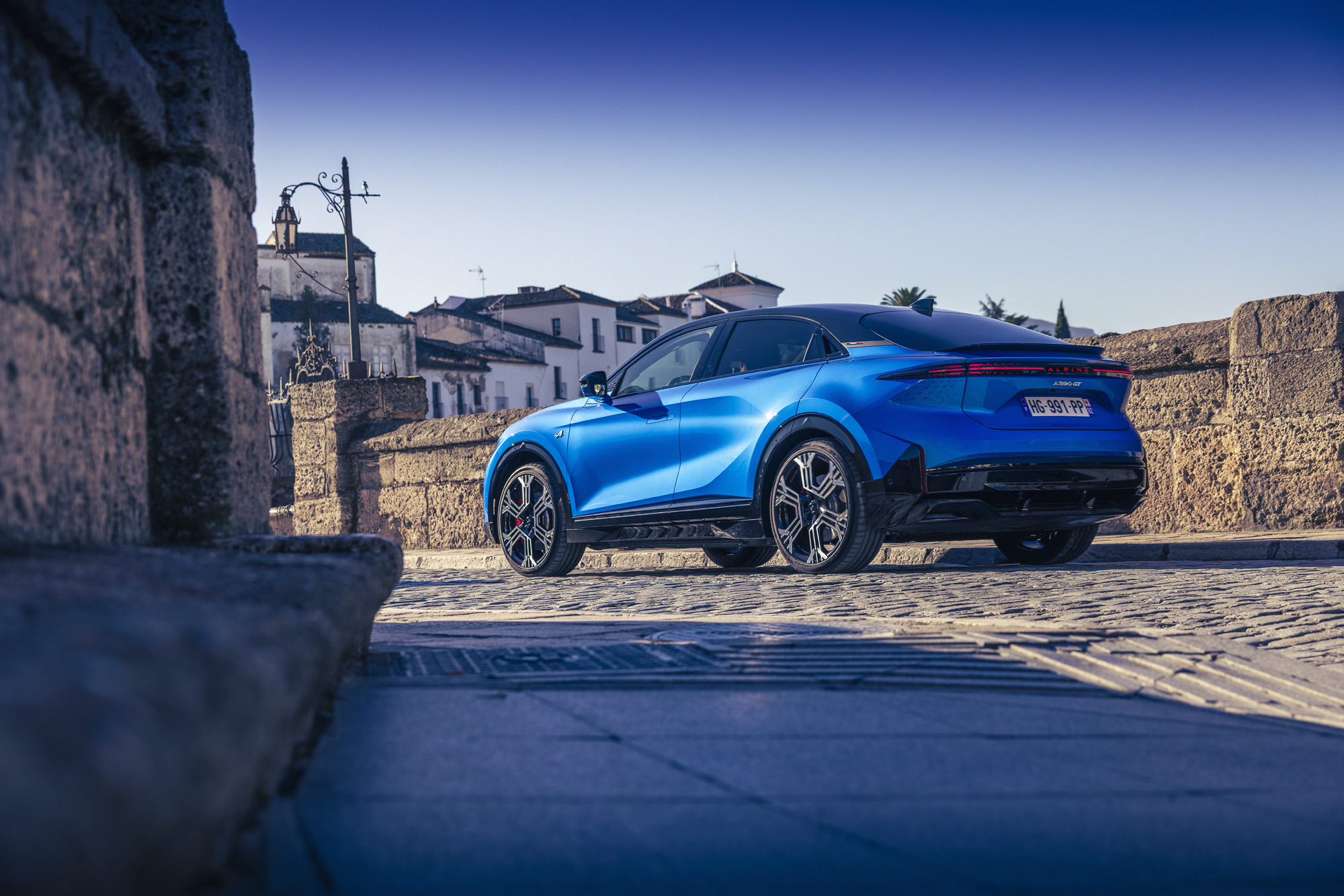
It’s much lower and shorter than you’d expect from photos. The wheelbase is 257mm less than the Hyundai Ioniq 6 N’s, and seen in person it looks compact, with a sense of agility, a lack of bulk, that helps cement an encouraging first impression. Yes it weighs a smidge over 2.1 tonnes, but it doesn’t look like it does. And that’s an important illusion.
There are definite hints of the A110 as well, especially around the C-pillar and the way it meets the rear window. Alpine is obviously desperate to stress the link between the two and it’s not completely wide of the mark.
4. It’s not that quick
You’ve not lost count – we’re still listing the positives. You might think this is an odd point to make about a sports-car brand, but bear with us. By not throwing development time and R&D budget at creating a car with a ridiculous 0-62mph time, Alpine has allowed itself to create something that feels happier in its own skin. It also means you don’t make your passengers feel sick every time you touch the accelerator.
The 0-62mph sprint time is either 3.9 seconds or 4.8 seconds, depending on whether you opt for the GTS or GT trim levels. There will be about £10k difference between the two. Neither is short on power (464bhp or 395bhp) and there’s an OV button (standing for overtake) on the steering wheel that gives all the power immediately, so the stats are impressive.
But what’s even more impressive is how controlled it feels. In, for instance, the A290 or the Ioniq 6 N, you’re aware that tyres, tarmac and motors are having a spirited argument as to who should be boss. In the A390 (or certainly the GT version we tested), it all feels much more civilised.
5. There are too many Renault parts
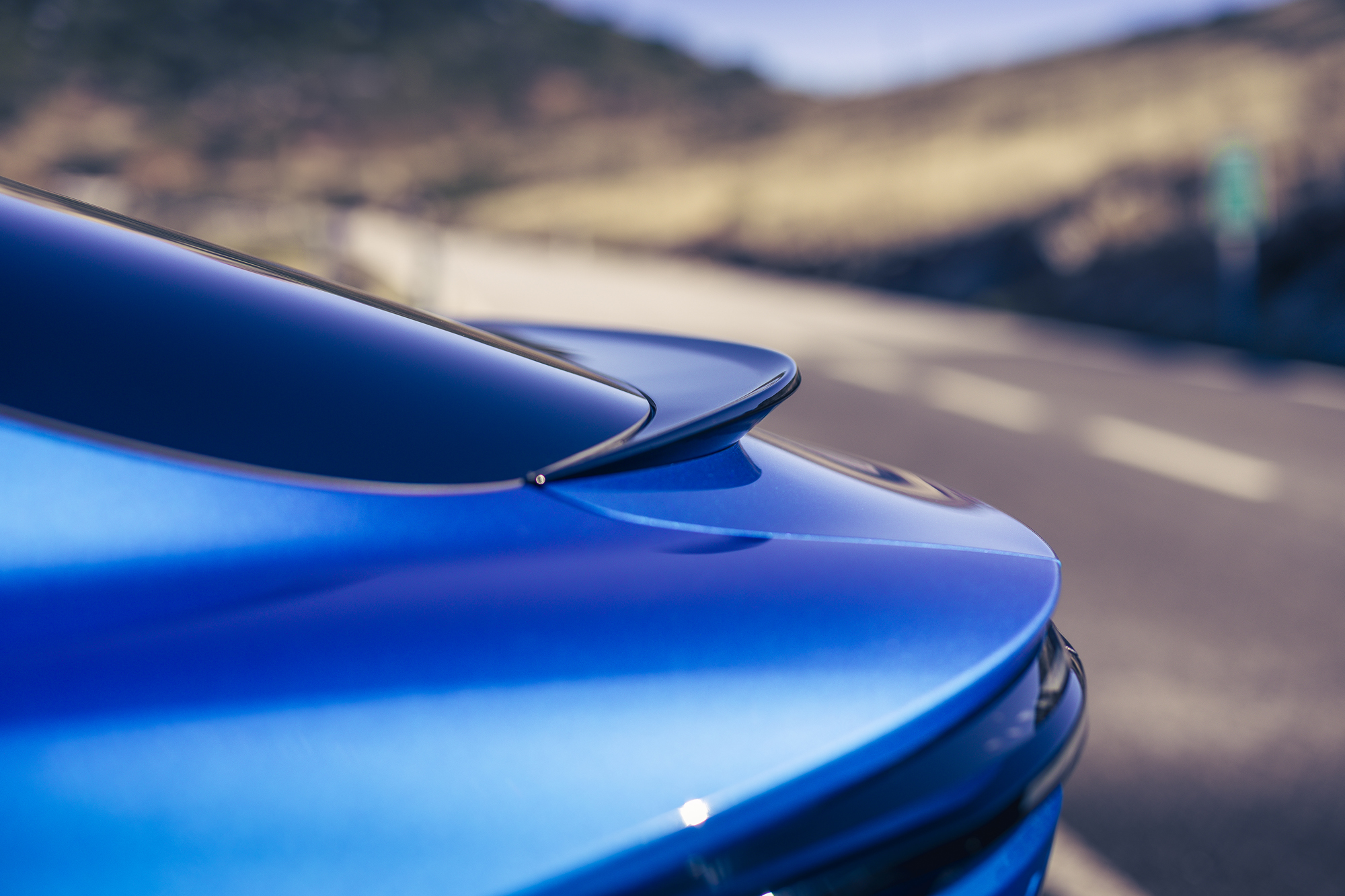
‘Hate’ is a strong word, but we really wish there were not so many Renault parts inside. They’re perfectly decent components in their own right, and Alpine has attemtped to disguise them with a dash of design flair, but once you’ve spotted them you can’t unspot the commonality of parts and layout.
In the A290, it’s more acceptable because the Alpine version of the Renault 5 starts at £32,000. But the A390’s price will probably start from nearly £60,000. When the electric A110 comes along, Alpine will need to work harder to give it some separation from any Renault hand-me-downs.
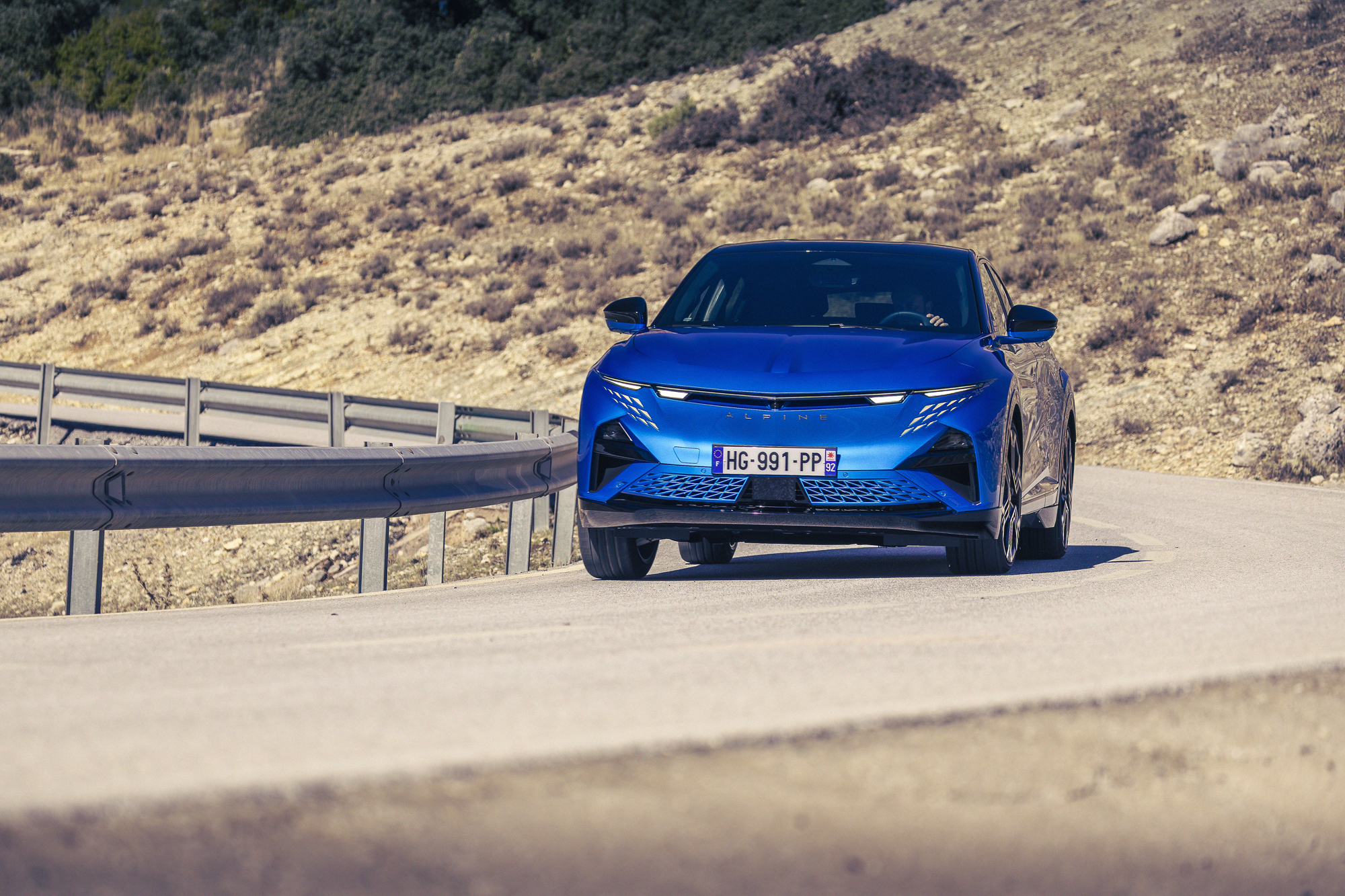
Speaking of which, there’s also the nagging feeling that the electric A110 – expected to be revealed in late 2026 – will have to work much harder to convince us. The petrol A110 has wowed everyone since it launched eight years ago, and when the electric one arrives it won’t be able to hide behind either the SUV or class-of-one caveats that apply to the A390. Will an EV A110 have to be the greatest electric car ever made in order not to feel a disappointment? I’d say so.
For now, the A390 is the best electric car Alpine makes. It also offers an encouraging vision of the future – maybe, just maybe, the electric A110 can live up to its heritage.
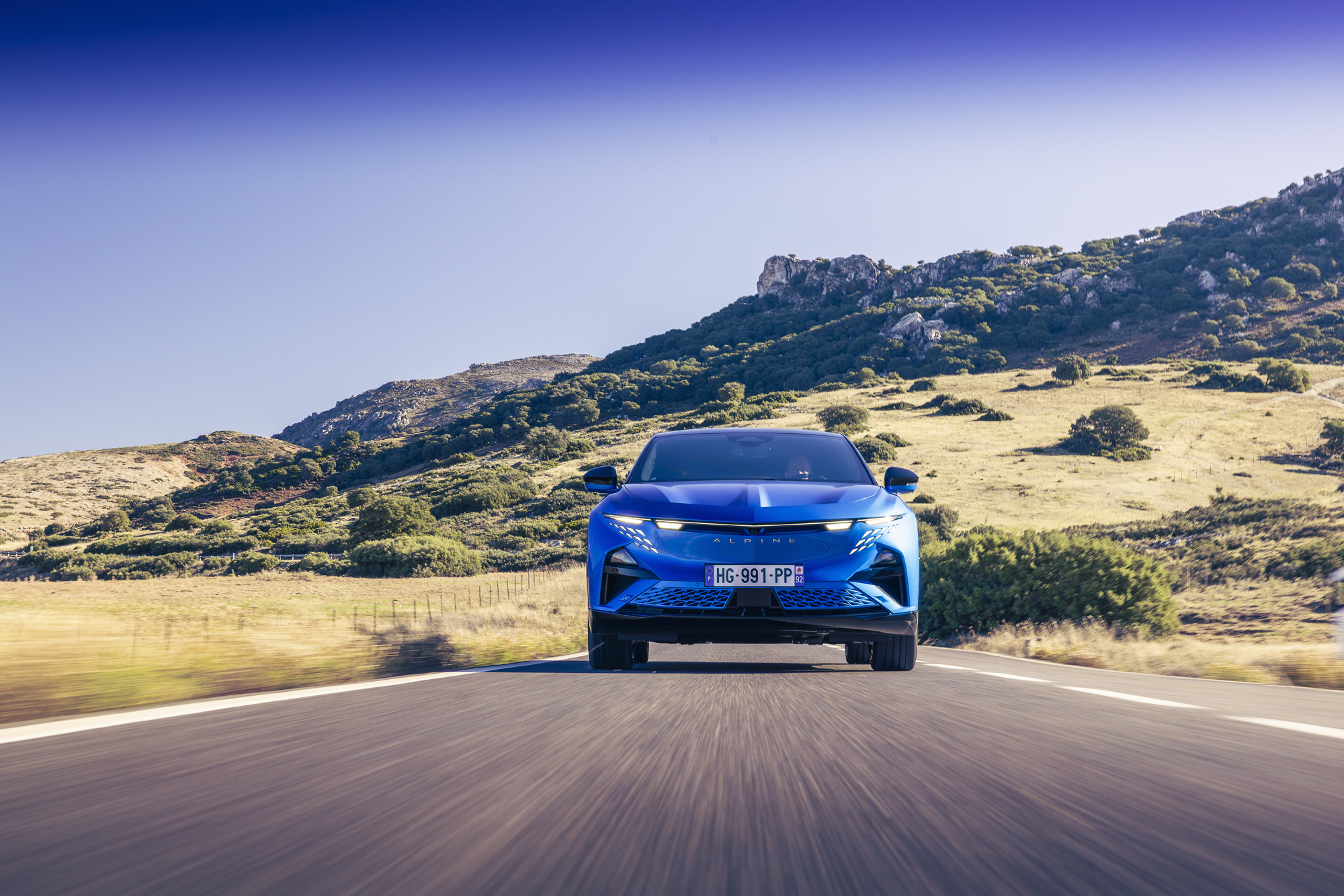
Facts & Figures | Alpine A390 GT
Data
Price From £60,000 (est)
Powertrain 89kWh battery, three e-motors, all-wheel drive
Performance 395bhp, 479lb ft, 4.8sec 0-62mph, 124mph
Weight 2121kg
Efficiency 3.6-3.9 miles per kWh (official target), 2.5 miles per kWh (tested), 323-345-mile range (official target), 222-mile range (tested), 0g/km CO2
On sale February 2026