
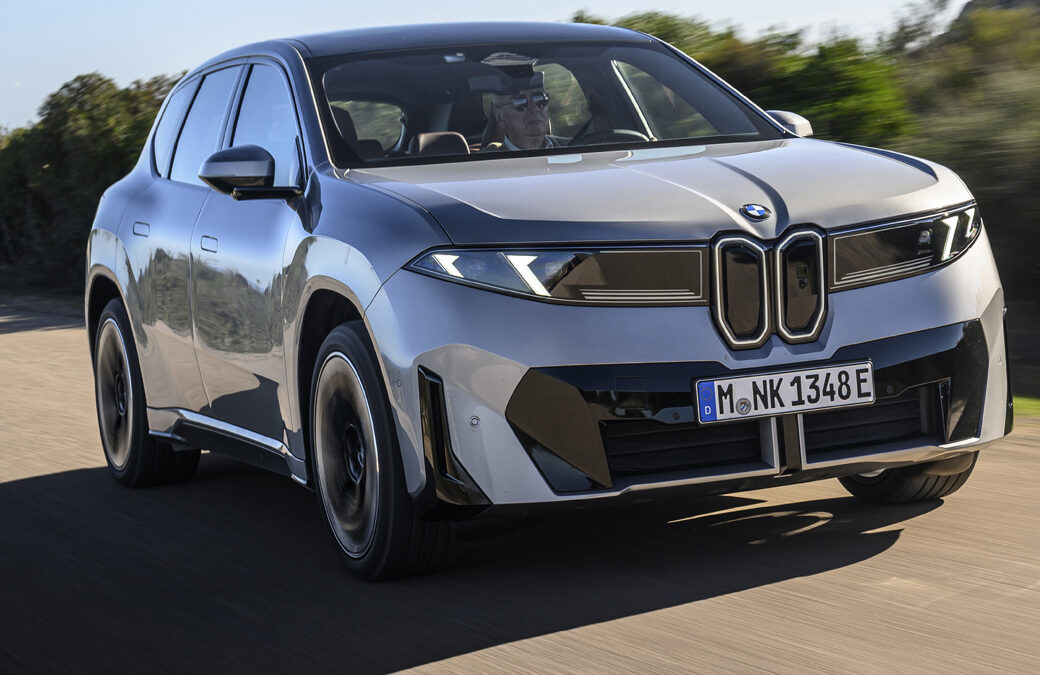
Everything that’s wrong with BMW’s brilliant new iX3 EV
After years of hype, this is it: the first car of BMW’s new era. Its job? Ensure the survival and ongoing prosperity of one of Europe’s best-loved brands – no pressure… Here’s the good, the bad and the downright maddening
Things we love
1. It drives like a proper BMW
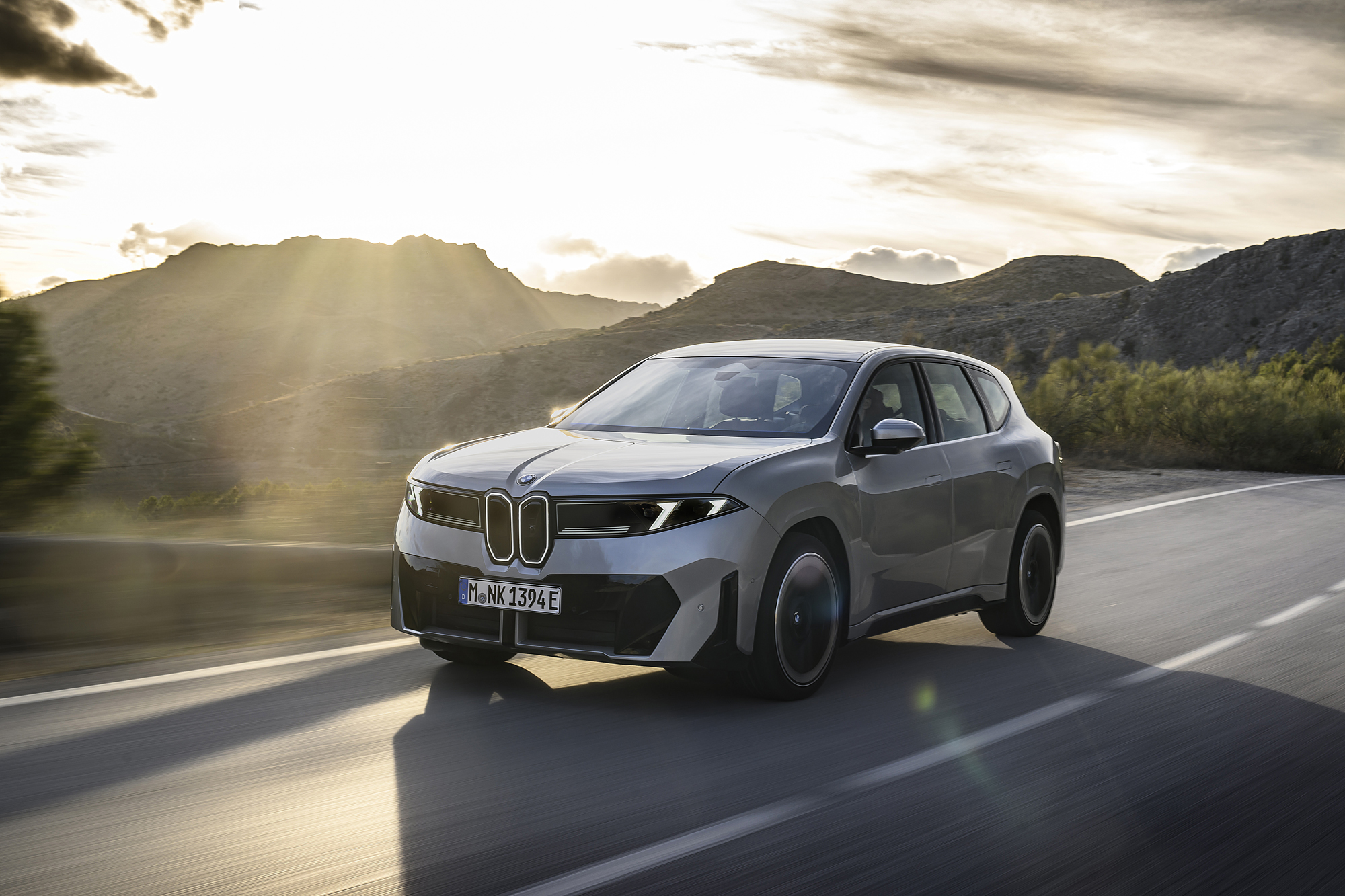
The best BMWs have always gone above and beyond on driving dynamics, delighting anyone who enjoys time behind the wheel with responsive, grippy chassis and spine-tingling engines. The iX3 may not have an engine but it is sensationally good to drive – impressive given it’s a big, 2.3-tonne SUV.
Which is a relief, because this is BMW’s all-new era, its so-called Neue Klasse (a reference to its ground-up re-invention in the 1970s, which transformed it from slightly irrelevant also-ran to force of nature). With new design, cutting-edge interior tech and all-new mechanical underpinnings, this is a clean-sheet reboot. And this is the first car of that reboot.
The iX3 delivers X5 cabin space – particularly rear legroom – in a vaguely X3-sized car; boot space is average for the class. On paper it lacks some of the high-tech goodies often deployed by all-electric cars to make them good to drive; systems such as air suspension (Porsche Cayenne), rear-wheel steering (ditto) and a two-speed transmission (Porsche Taycan). The truth is the BMW doesn’t miss them.
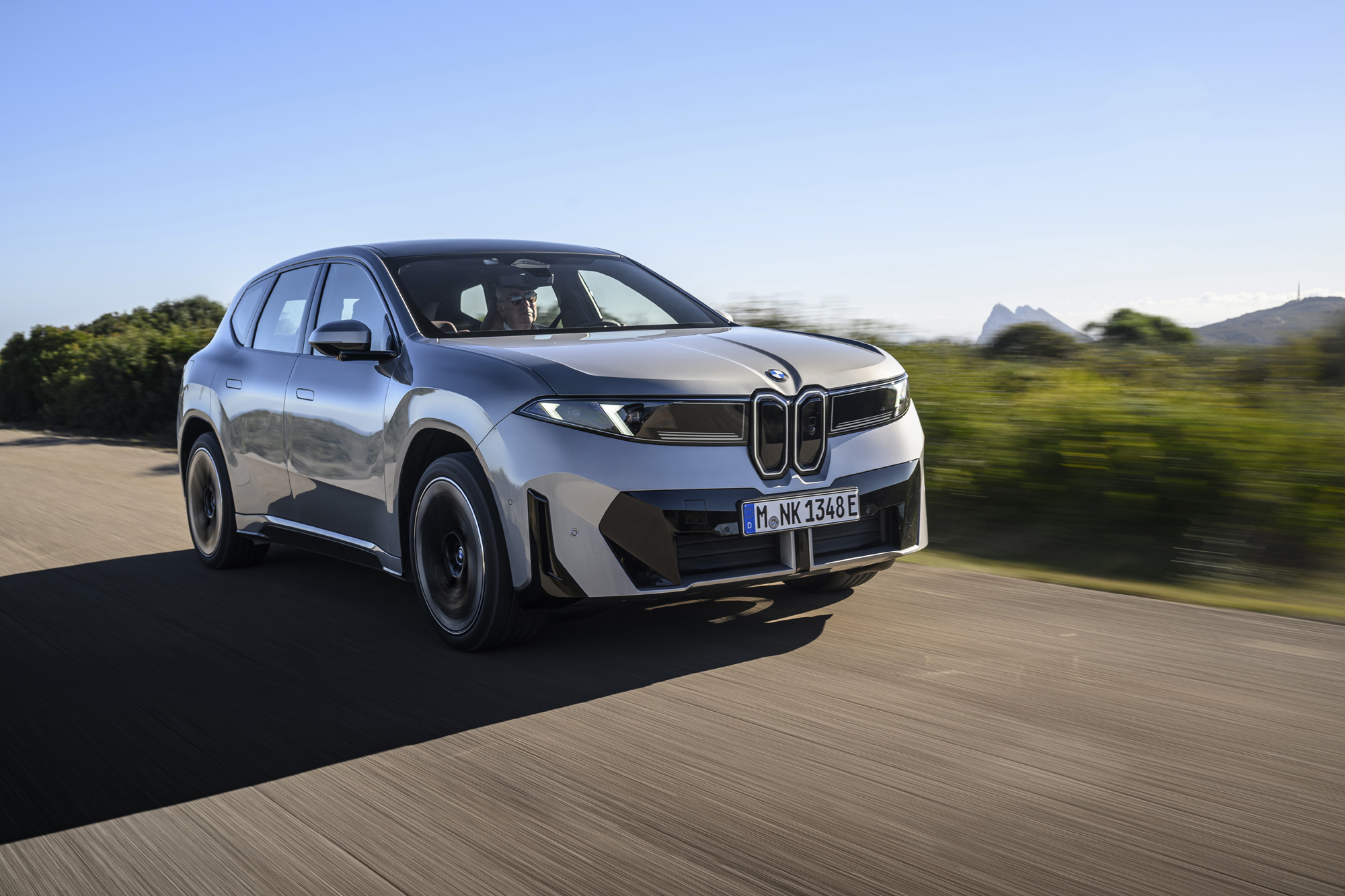
Remember when BMWs sacrificed everything in the name of sportiness, crashing over ridges and potholes just so they could hustle like a racecar through the canyons? They’re gone. The iX3’s key dynamic forte is its cushy, nicely balanced and remarkably supple ride. In combination with the flex-free chassis, long wheelbase and low centre of gravity, the basic steel springs, no-frills dampers and the low-rolling-resistance tyres all do an amazing job of absorbing lumps and bumps.
Nine out of 10 drivers will be happy with this set-up, though hotheads are bound to prefer the optional M Dynamic pack, complete with variable-rate sports steering, beefed-up brakes and adaptive damping, which is due in a year or so’s time.
This comfort doesn’t come at the expense of handling. On twisty roads the iX3 is in a league of its own – really. In this difficult habitat, where compliance is key, even the now-defunct X3 M, the most potent X3 money used to be able to buy, would lose out to the new kid on the block. The new iX3 absorbs even brutal undulations with a nonchalant shrug, casts off yawning potholes, rides out crests like a four-wheel surfboard, dives through the deepest dips without scarping its chin and barely loses momentum doing all of the above.
It’s not a sports car, sure. Neither is it a sports saloon (we’ll see that – the new i3, which shares much of the iX3’s tech – in a couple of months). But it is the sweetest-driving electric SUV we’ve driven in a long, long time.
2. It’s fast, but not stupidly so
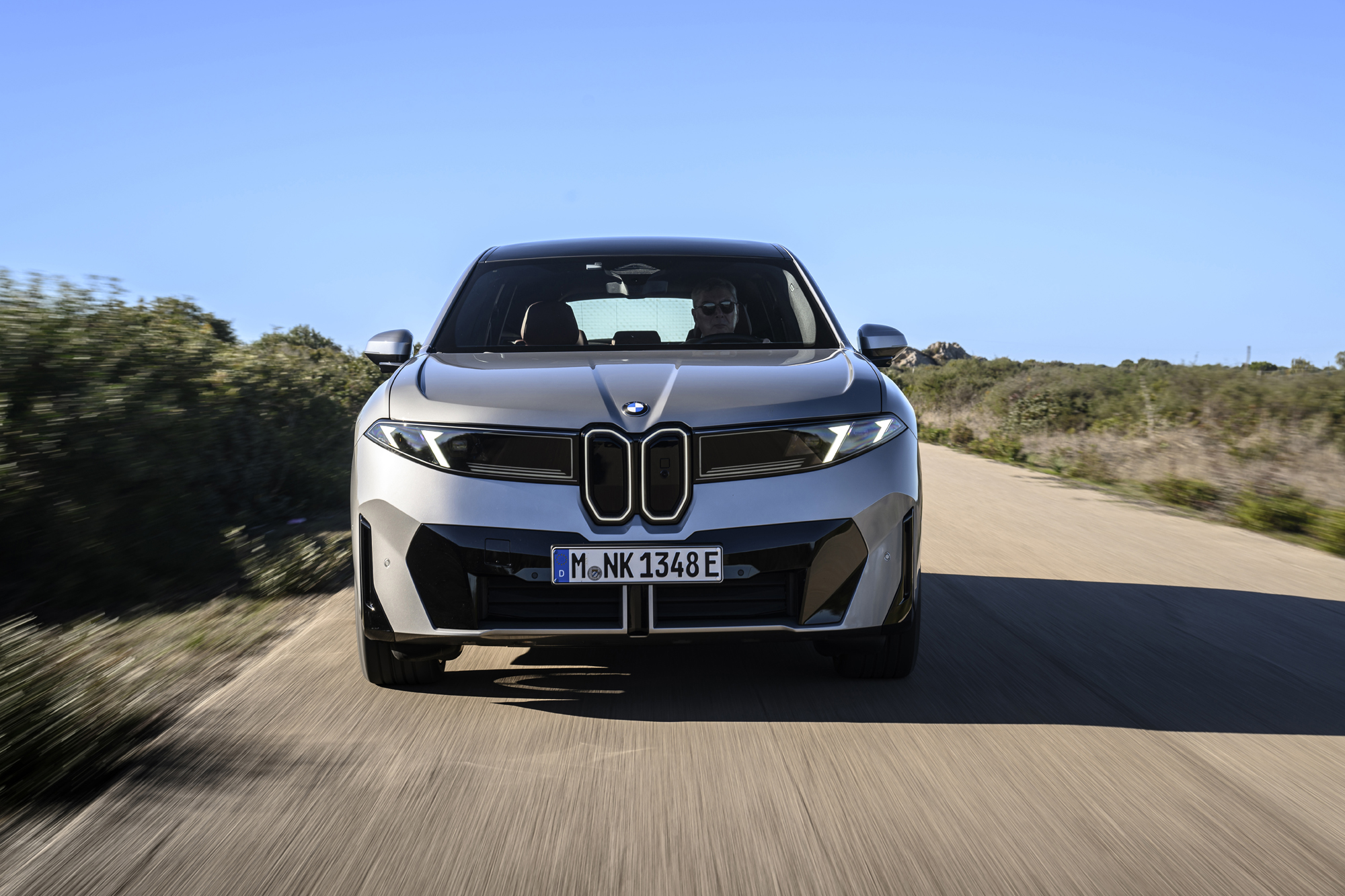
This might be a new-era, all-electric BMW but the iX3 still goes like a proper Munich missile. The iX3 is quick, and almost certainly quicker than it really needs to be. It’ll sprint from zero to 62mph in just 4.9sec and requires zero skill to do so – 463bhp and 476lb ft of torque with perfect all-wheel-drive twin-motor traction will do that for you.
Faster, more expensive versions will follow, as will less powerful, more affordable derivatives. CAR understands a bargain iX3 would likely drop to a single motor, probably on the rear axle. And given the marque’s single-motor, rear-drive versions are often even better than their flashier, dual-motor counterparts, that means the best iX3 may yet also be the least expensive.
3. It’s got 500 miles of range – really
BMW’s making bold claims for its new-generation all-electric powertrains across the board, from power density to cost reduction, recyclability to efficiency.
And on that last point, our first experience in the iX3 50 xDrive, the launch powertrain, would suggest this new era of BMW electric cars is a quantum leap on from its energy-guzzling predecessors. When we jumped in our test car, it showed a state of charge of a little under 90 per cent for the 108kWh battery, and a calculated range of 465 miles. That rings true given BMW’s claimed WLTP range of 500 miles, which sounds outlandish but is likely pretty realistic. Official consumption is 4.0 miles per kWh, which is superb for a car this big, this fast and this fun to drive.
4. It’s quick to charge
We’re hurtling headlong towards actual parity, whereby putting, say, 400 miles of range into an EV takes no longer than pumping in 400 miles of gas. And while we’re not there yet, the iX3 has some impressive charging stats, particularly given its relatively affordable price point.
It’s built around an 800-volt electrical system (common practice on more expensive EVs these days) and can charge at a very impressive 400kW, for 10-80 per cent charging in just over 20 minutes – provided you can find a DC charger capable of delivering that much power.
BMW’s engineers are also keen to point out that, despite running on an 800-volt platform, the iX3 can still charge on older 400-volt public chargers as well as newer ones – a detail that has been a thorn in Mercedes’ side with its new MMA architecture. The first CLA models launched without the required DC-DC converter, and are having to be retrofitted with one at an extra charge.
5. It’s less expensive than the outgoing iX3
The new iX3 arrives in dealerships in the middle of 2026, with pricing expected to start at around £59k in the UK and $60k in the US. Those figures compare well with all its key rivals, including the GLC EV and Q6 e-Tron, not to mention the Polestar 3. It’s also less expensive than the ‘old’ iX3, which was far less impressive to drive and had a shorter range. That BMW has spent this hard on R&D while also delivering a highly competitive list price is seriously impressive.
Things we hate
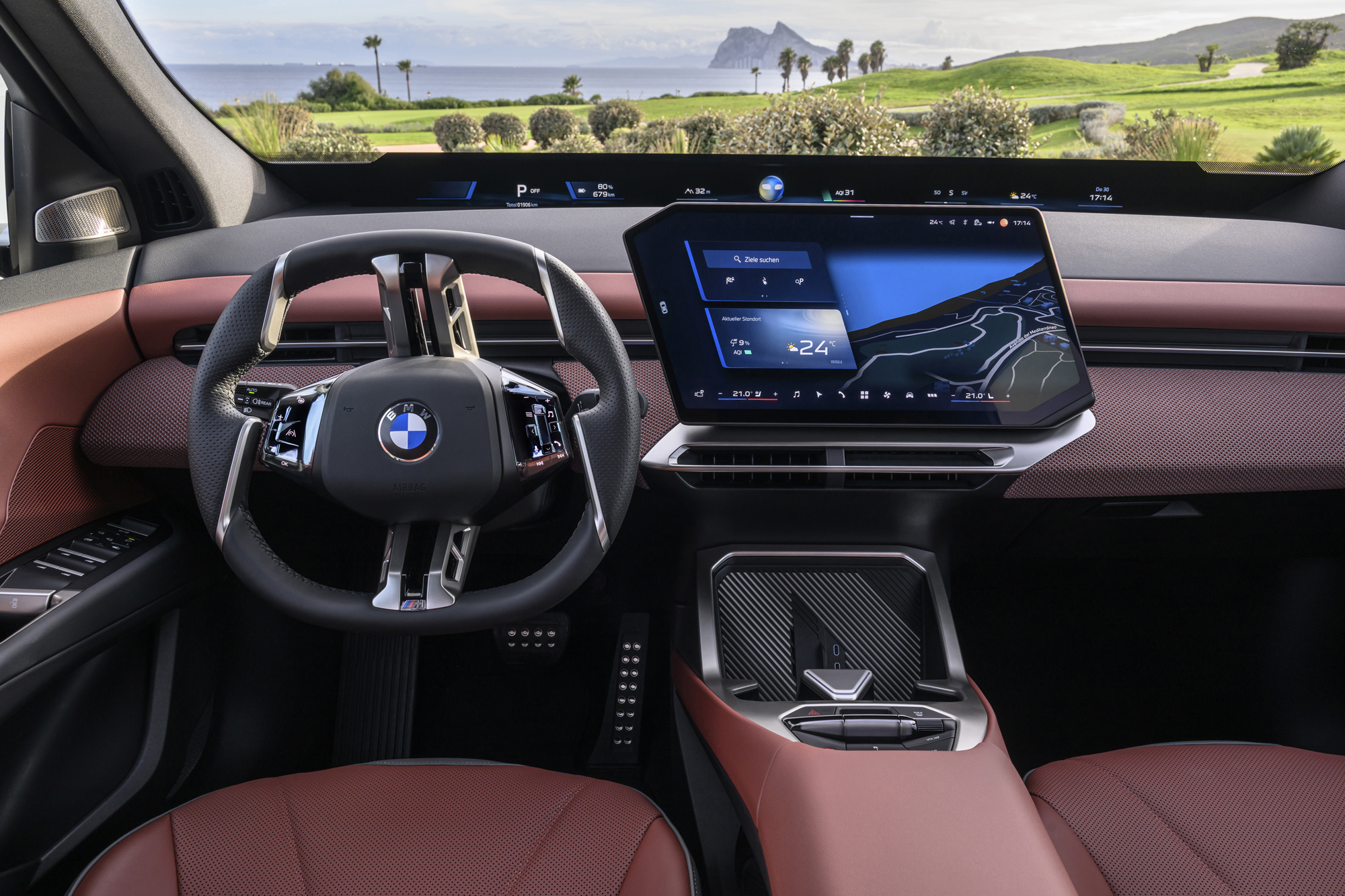
1. The interior takes some getting used to
Don’t get us wrong; the iX3’s creative, innovative and beautifully finished cockpit is one of the car’s key strengths. This is a fabulous interior. But when you first climb in, well, let’s just say it’s a lot.
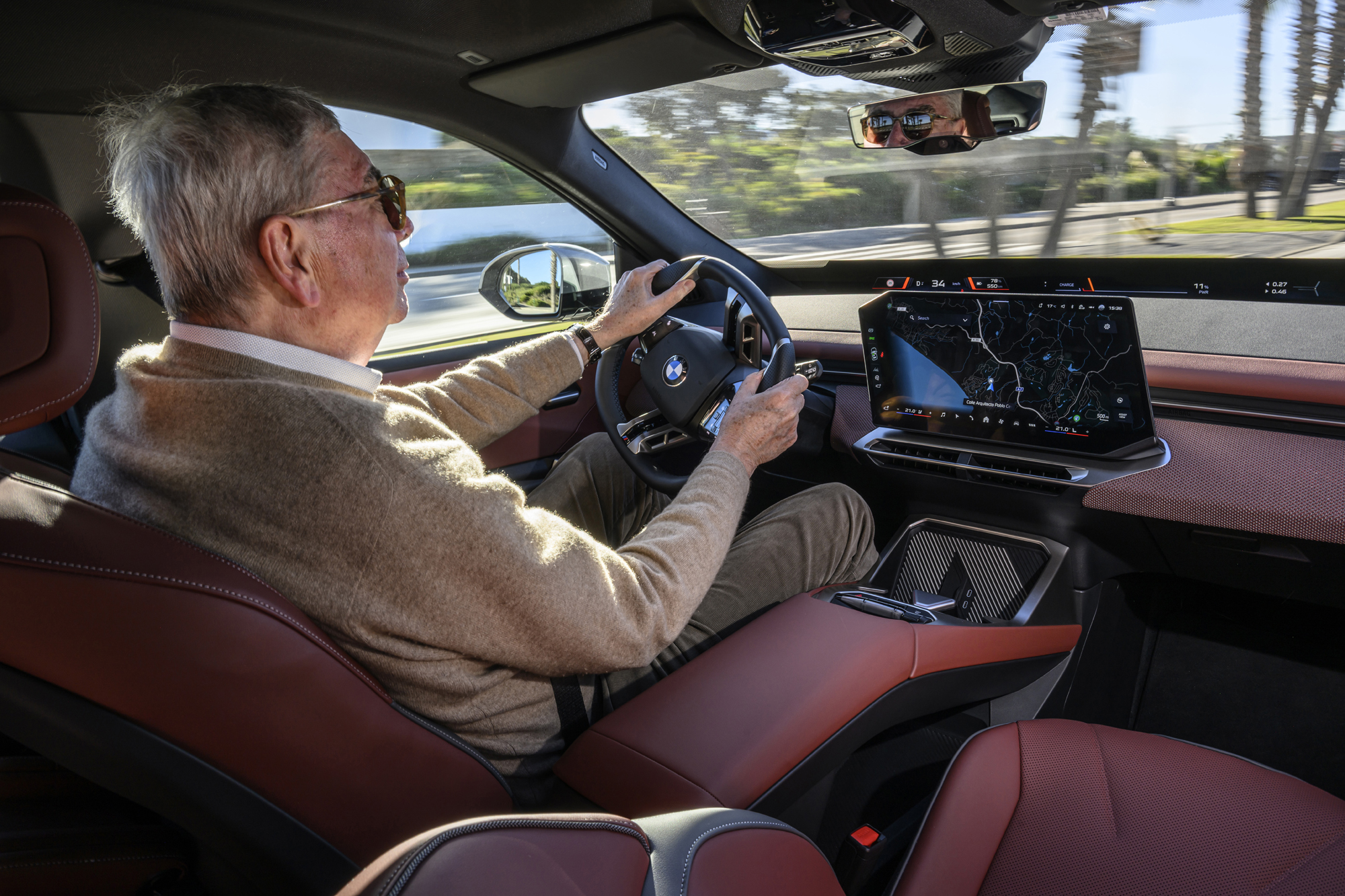
There is no conventional driver’s display. Instead, the BMW has a screen across the full width of the dashboard, along the base of the windscreen, called Panoramic iDrive. Setting it up to your preferences is a job to put some time into – and one to do before you leave home, given the extensive scope for customisation. It can be filled with a wide variety of data and information, from sat-nav graphics to fringe material like the weather forecast, and in Sport mode the background colour changes to bright red and the read-out lists the maximum longitudinal and lateral acceleration as well as the most rapid deceleration.
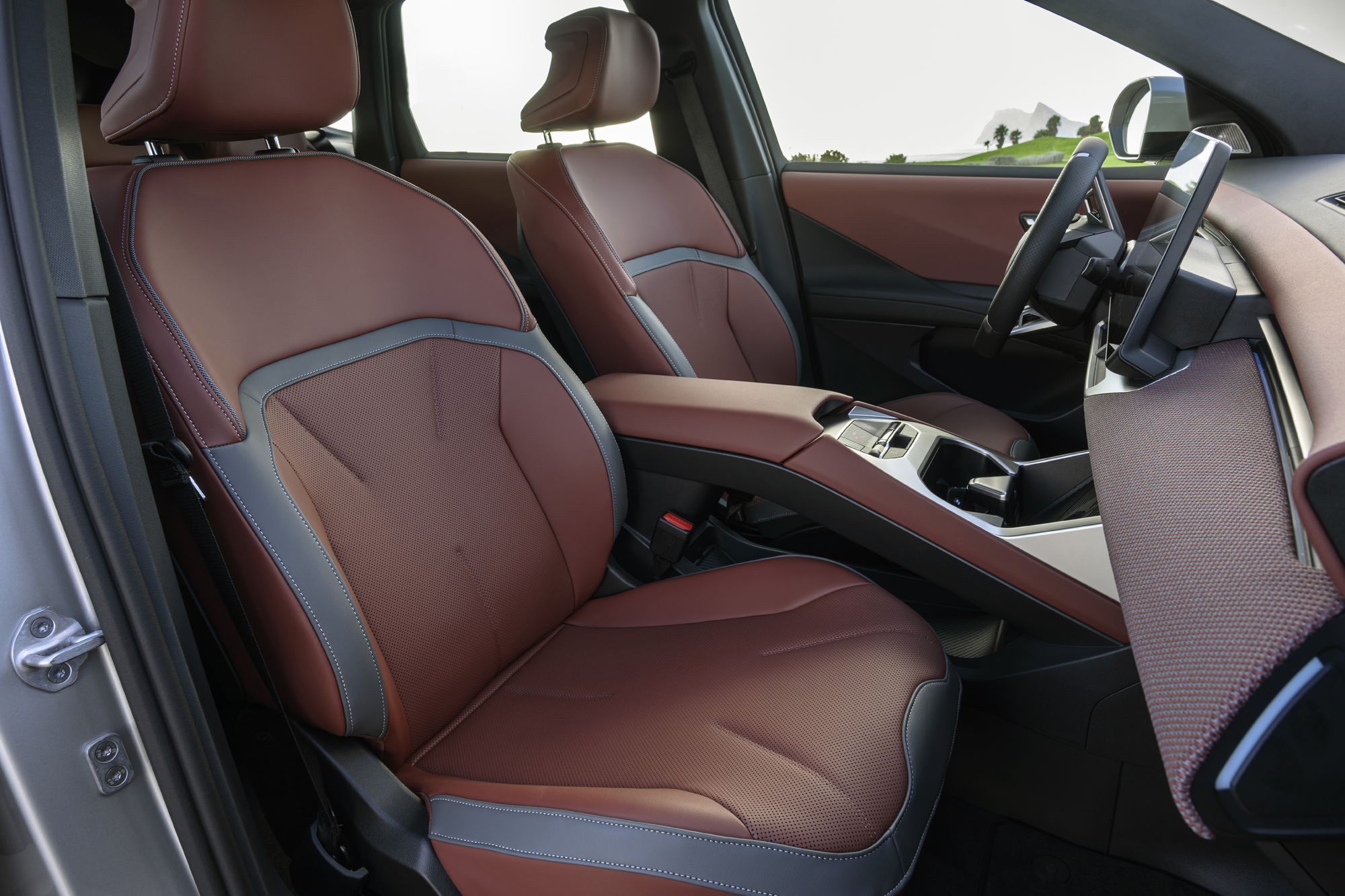
Much like the original iDrive controller, Panoramic iDrive is innovative and something of a work of genius. It makes the elaborate and extensive head-up display above it feel redundant, and only takes a couple of hours to get used to. But when you first hop in, the way the dash drops away to the base of the iDrive screen can make you feel like you’re sitting really high. You’re not, in reality, and BMW’s nailed the driving position, which is all-day comfortable but feels sporty, too, with plenty of adjustment.
The biggest of the three displays is the restyled and repositioned touchscreen, which is rhomboid in shape and which BMW has gone to the trouble of ‘handing’ – adapting it for left- and right-hand drive. The side of the touchscreen nearest the steering wheel runs at a diagonal, putting the screen’s functions within easier reach of your hands. And the touchscreen’s good, which is just as well given how few buttons there are…
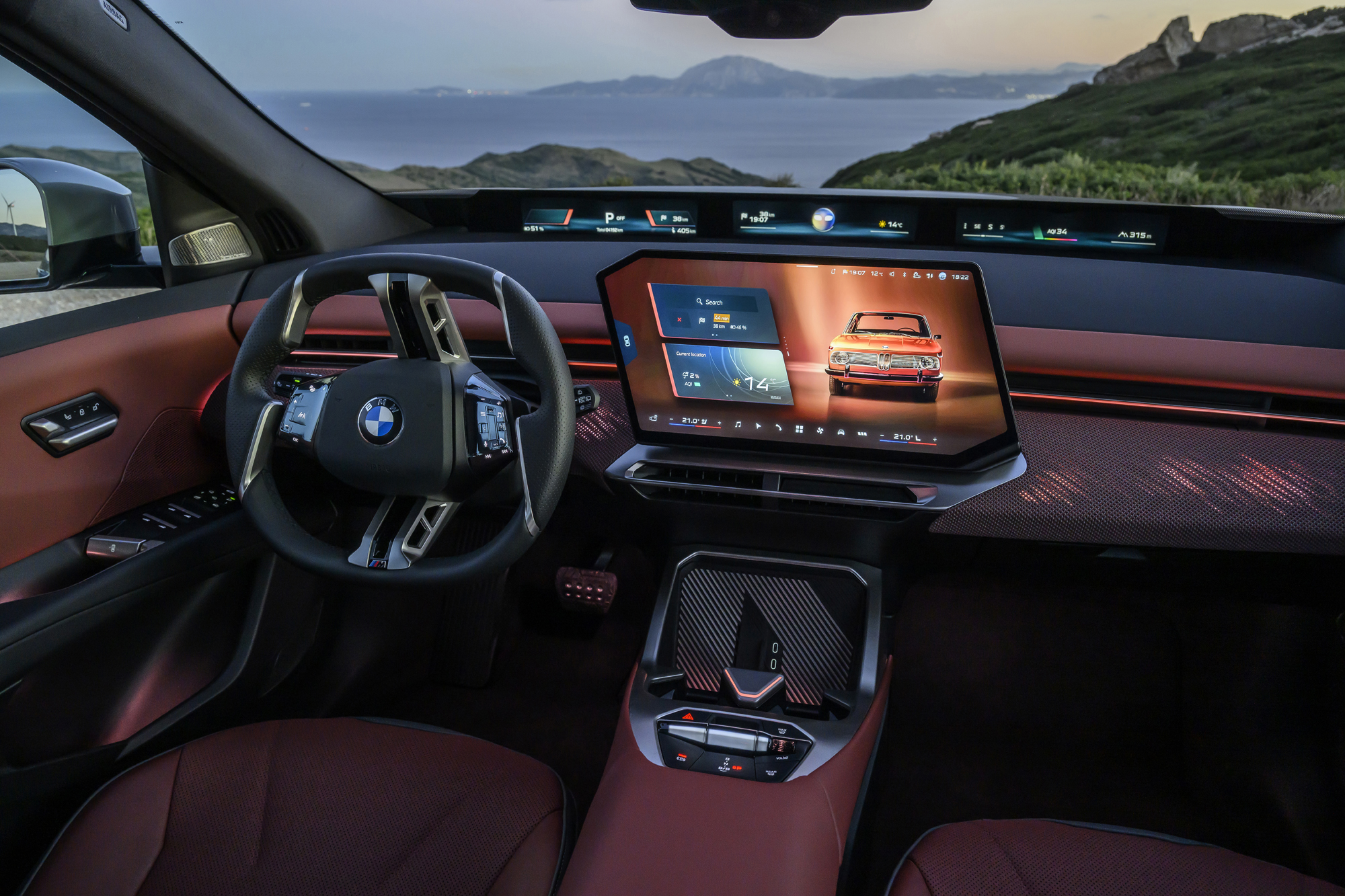
2. More cockpit buttons please
A stubby drive selector and volume-control thumbwheel are the only physical controls. You become accustomed to touch controls for almost everything, but you do wonder if BMW has gone a bit far. Even basic functions like on/off and hot/cold require a quick swipe, the air vents can no longer be manually opened or shut, and the airflow management requires a deep dive into the elaborate sub-menu.
That said, when you buy an iX3 you’ll likely set it up and leave it there, and the car’s designed to recognise users and configure everything just as you like it automatically. All relevant functions are now masterminded by the Intelligent Personal Assistant (IPA) impersonated by a small animated in-dash avatar. Once programmed, the IPA will memorise your preferred settings. As soon as it identifies an authorised user, doors automatically unlock and the black box dials in the pre-set cabin temperature, air distribution, fan speed, radio station, seat contour, sat-nav view, driving mode and display configuration.
While the speed-limit warning can now be disabled by a voice-operated routine, the EU still requires two stabs at the screen to deactivate the lane departure watchdog.
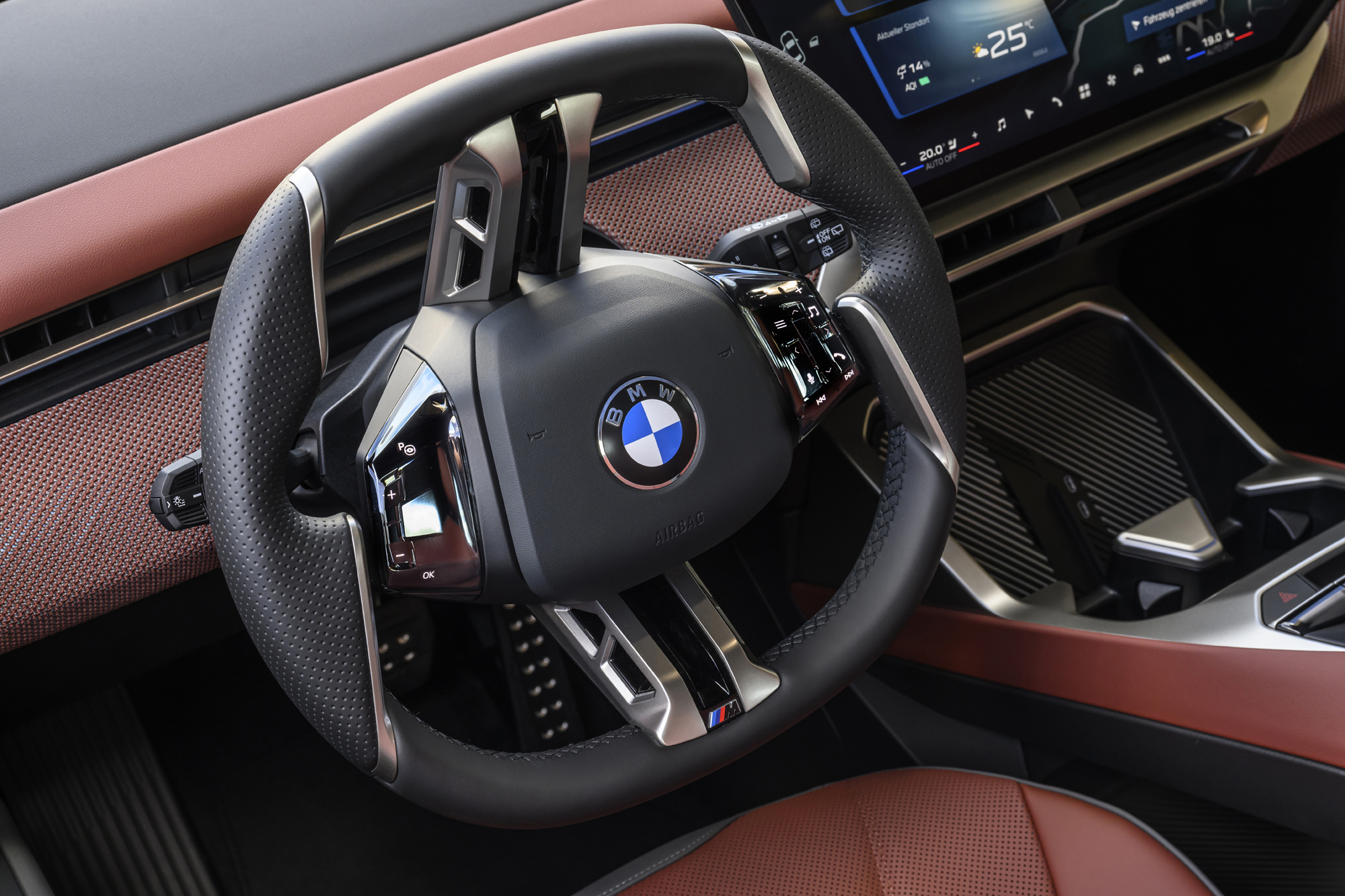
3. The steering wheel controls are a missed opportunity
Three steering wheel styles are available: M style, two-spoke and four-spoke. None of them is fully circular, the rims vary from thick to fat, and the styling is a matter of taste. We’d prefer physical buttons rather than haptic, but at least a) they’re well out of the way, so you don’t accidentally activate, say, the heated steering wheel and b) they don’t serve a secondary, touch-sensitive function, which is something VW tried without a shred of success.
4. There are no steering wheel paddles to adjust regen
Paddles shouldn’t be required on an EV. After all, they mostly don’t have multi-ratio gearboxes. But they work brilliantly as an instant and engaging way to adjust the level of regenerative braking on offer – the severity with which the car slows down when you come off the throttle. As with a car with an engine, many EVs let you pull the left paddle for more ‘engine’ braking (a lower gear in a conventional car; more regen in an EV) and on the right for less (a higher gear in a conventional car; more regen in an EV).
Given BMW’s ‘ultimate driving machine’ mantra, you’d think the iX3 would nail this. But no – no paddles. Altering the level of regen requires you go digging through the touchscreen’s sub-menus. Realistically, you’re not going to do it on the move. Will it matter to most electric SUV drivers? Probably not. But BMWs are supposed to be built for people who love driving, and they’ll certainly miss the added level of interactivity and control paddle-adjustable regen brings.
5. The design’s still polarising
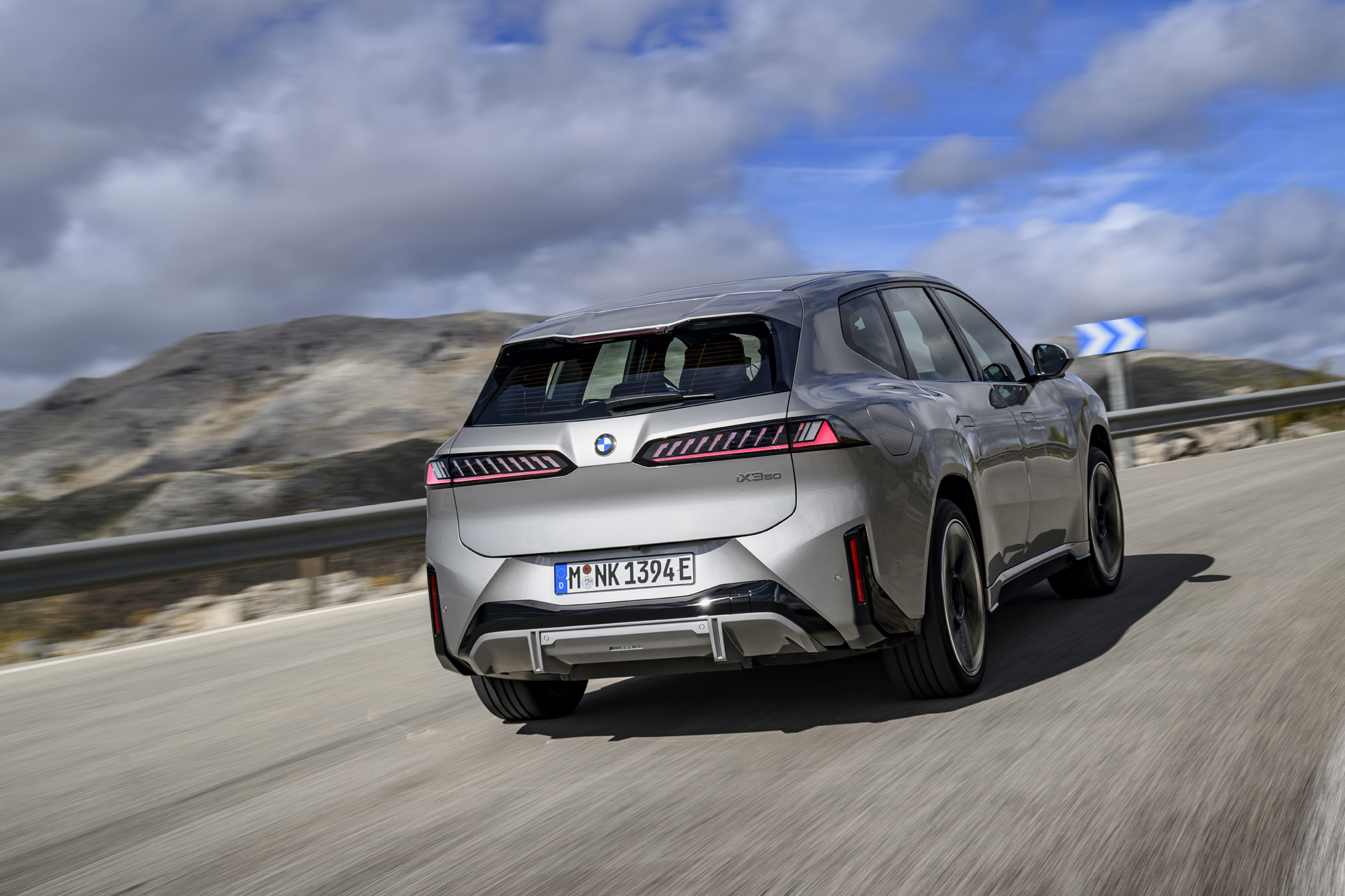
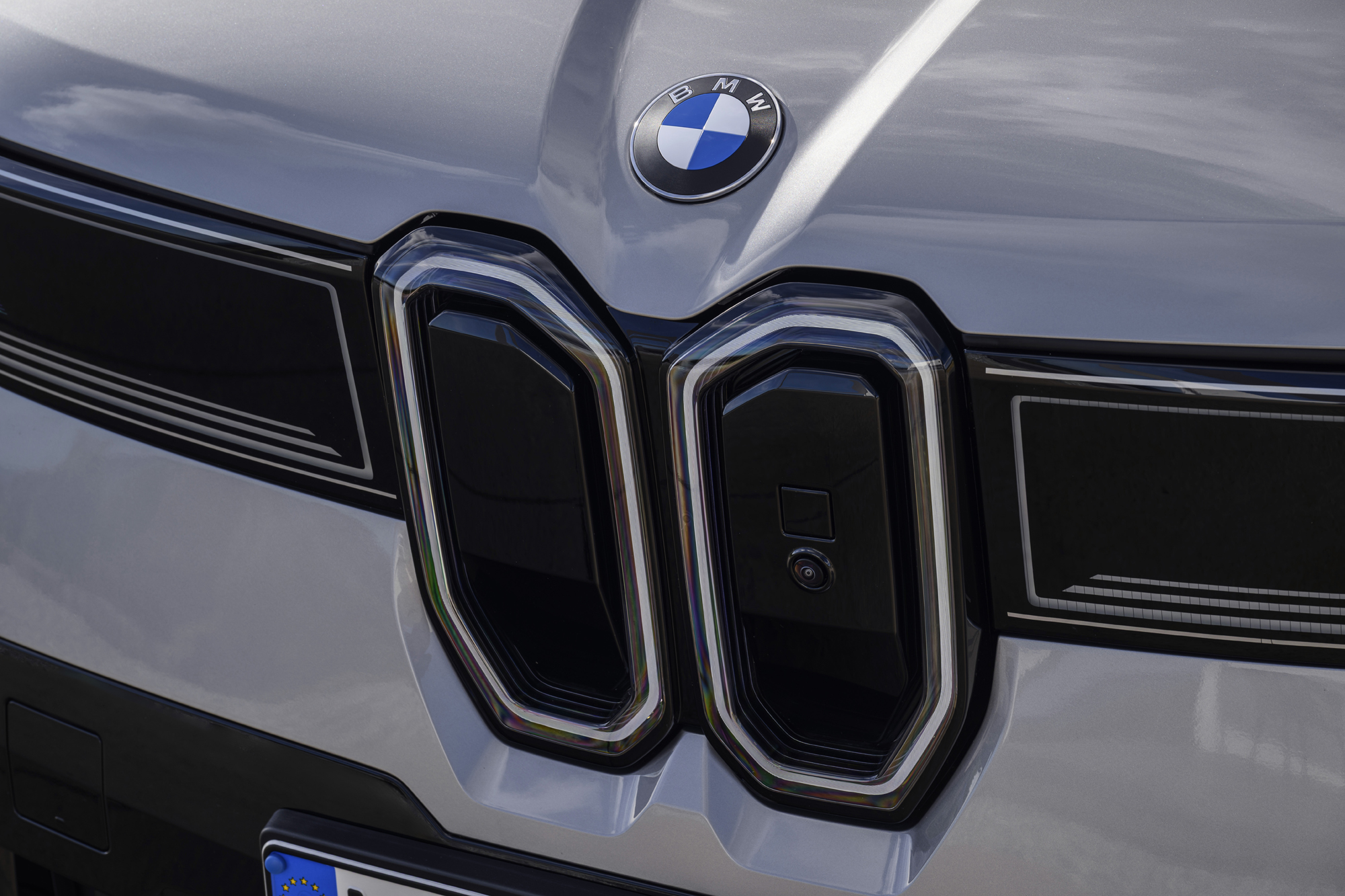
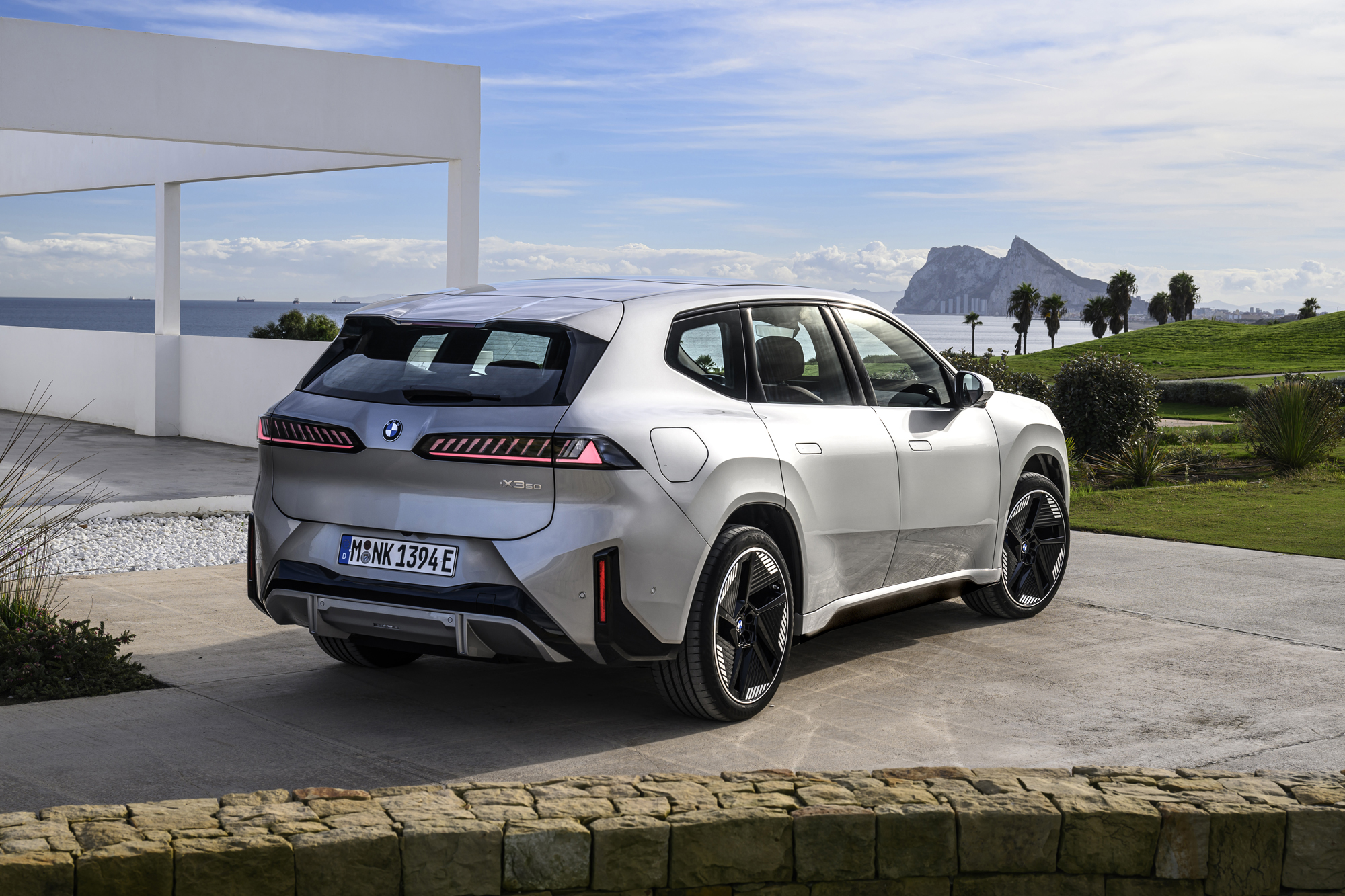
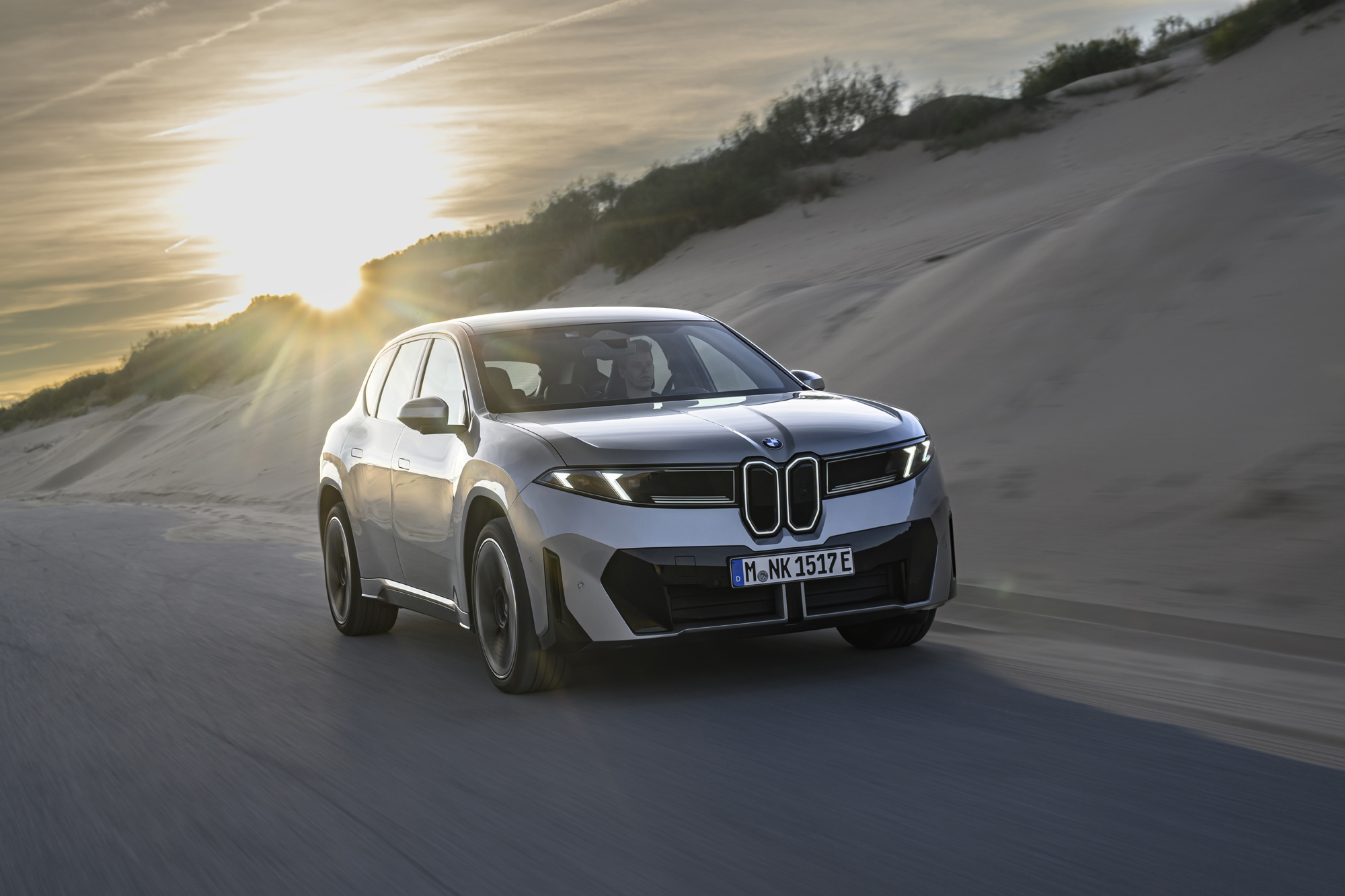
Bored of being endlessly memed and shredded in the comments section, BMW’s had a design reshuffle. Part of that has been the hiring of former Polestar and VW designer Max Missoni, famed for his classy, uncluttered designs. He’s not been in the job long enough to make his mark at BMW yet, and for now the iX3 still isn’t universally regarded as pretty, although many like the look of it, particularly in metallic colours.
But beauty’s in the eye of the beholder, and it’s so good to drive that some seat time might be all it takes to convert the cynics.