
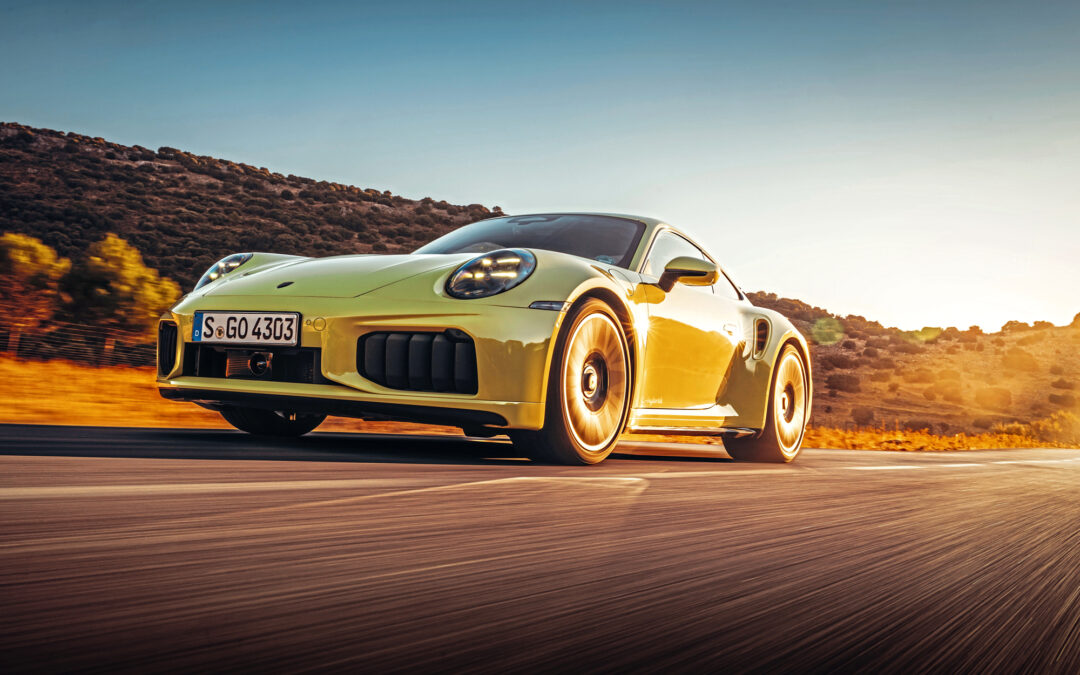
What’s wrong with the world’s best cars?
Even the greatest of today’s cars have their downsides. Category by category, CAR’s road testers highlight the weaknesses you won’t hear about from anybody else
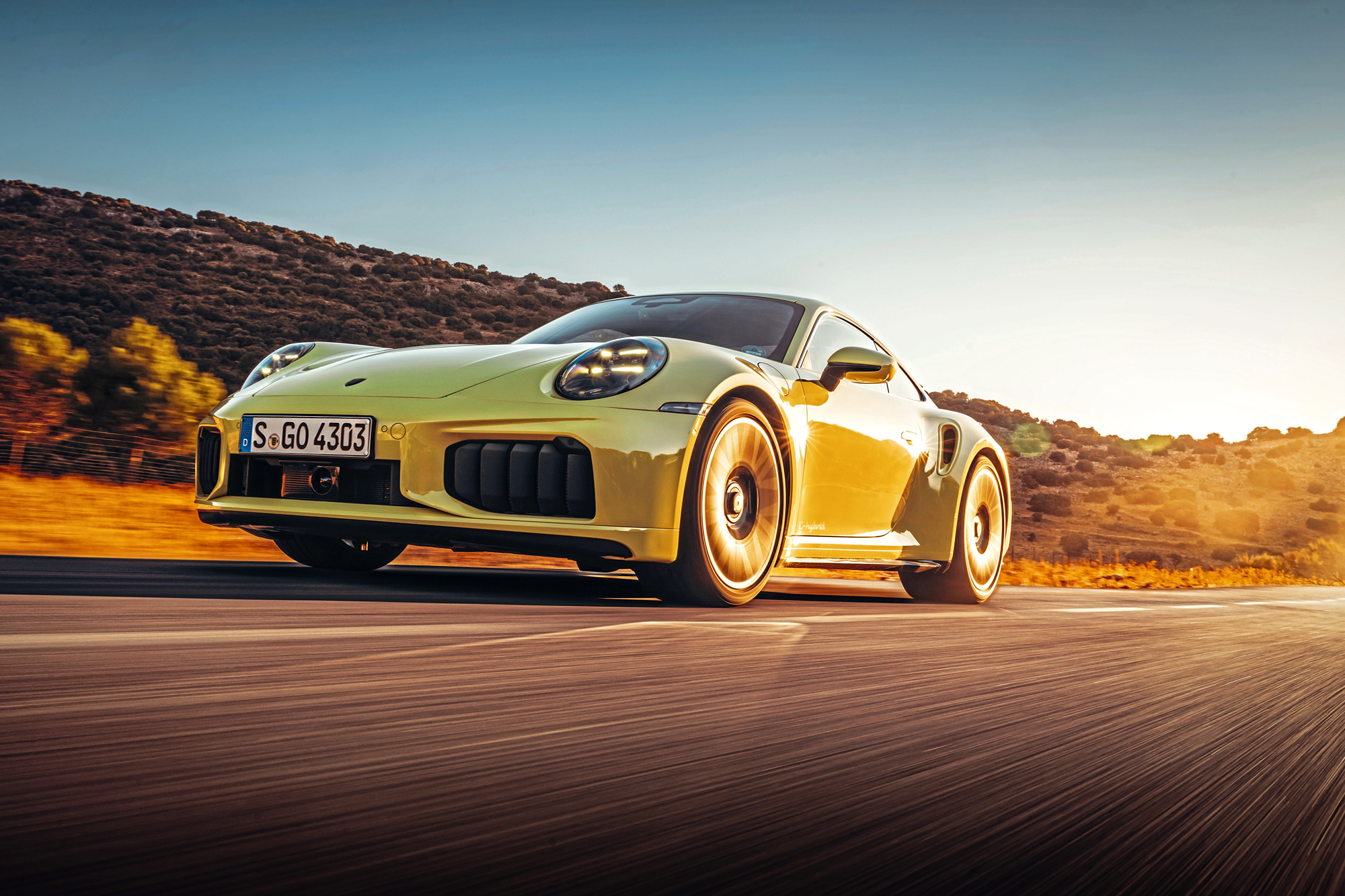
The world’s best sports car: Porsche 911
What is it?
The best and most obvious sports car money can buy. Engine in the back, boot up front, gorgeous from end to end.
What’s so good about it?
The multi-disciplinary skillset – the 911 boasts a multi-disciplinary skillset so broad it makes Childish Gambino look like a one-trick pony. It’s a design icon coveted worldwide, its characterful rear-mounted flat-six engine is unique among peers (most use V8s), and it’s a breeze to use daily (small rear seats, ace visibility, luggage space etc). But above all it’s about the drive – the gorgeous steering and control weights, the intoxicating build of that flat-six as it spins towards the redline, and the combination of a front unburdened by weight and a rear pinned down by it that makes it so intuitive to drive. Dynamically, the 911 should be a basket case. Nothing about it makes much sense – until you get behind the wheel. Forget the wayward handling of legend, the 911 is easier to hang onto than some mid-engined alternatives.
There’s a lot of 911s to choose from, too; coupe, convertible or Targa; rear- or all-wheel-drive; milder-mannered Carreras, rocketship 911 Turbos or (relatively) pared-back Ts, and flat-sixes that both look to the future with hybridisation and keep the naturally-aspirated flame alive in the case of the rev-happy GT3. No wonder the 911 tends to retain cash like Warren Buffett in a recession and has endured as a benchmark for so long.
What’s wrong with it?
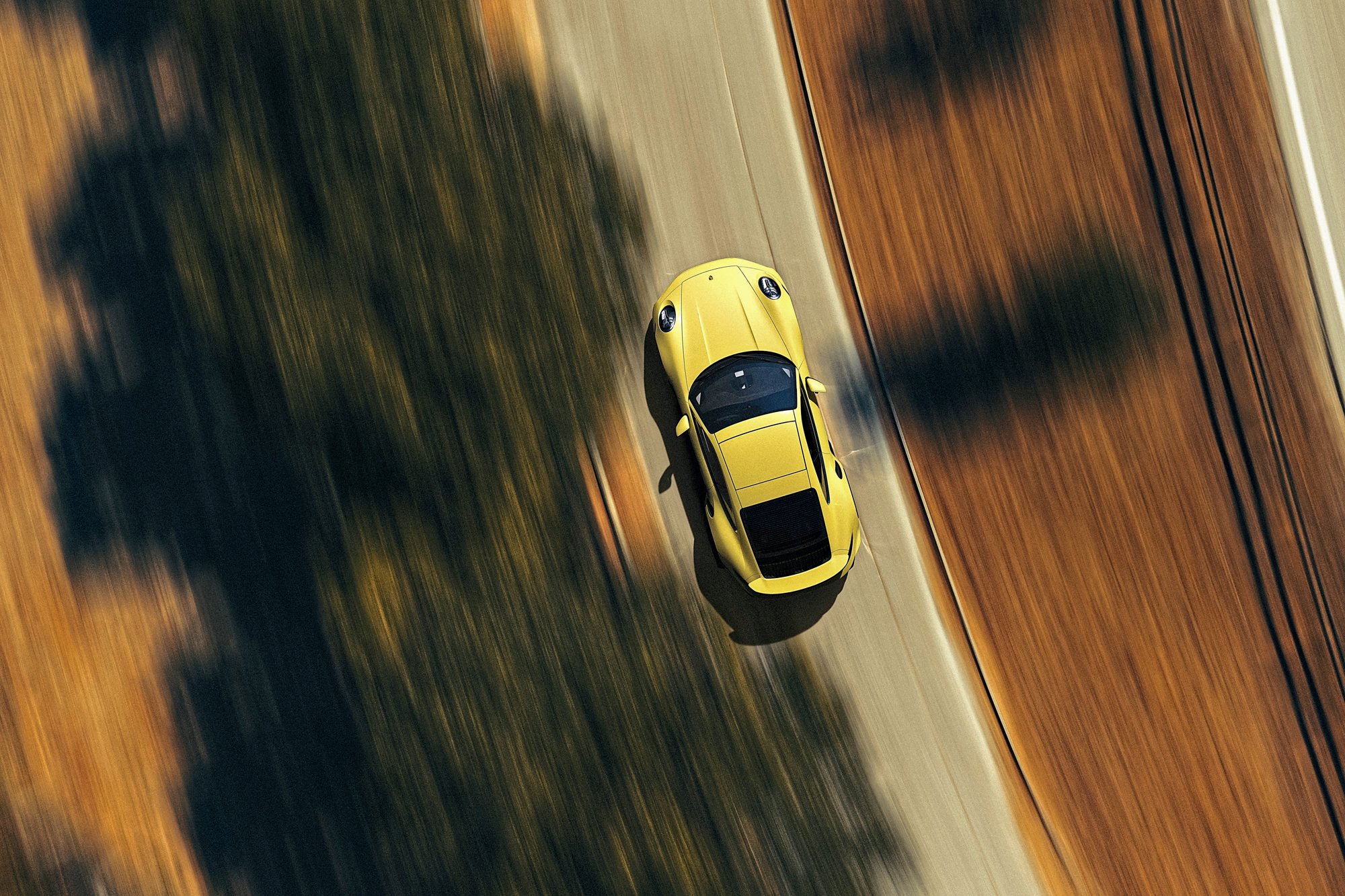
It’s a five-star car, so not much, but the 911 is a big, quite refined car these days. Some even say it’s no longer a sports car but a GT, with the Cayman and Boxster the purer expressions of Porsche’s ancestral sports car roots. And the 911’s no longer the affordable icon, either. You’ll need £100k in the UK, or $130k US, and when it comes to GT3 variants, Porsche might not even let you have one, such is demand.
The world’s best luxury car: Range Rover
What is it?
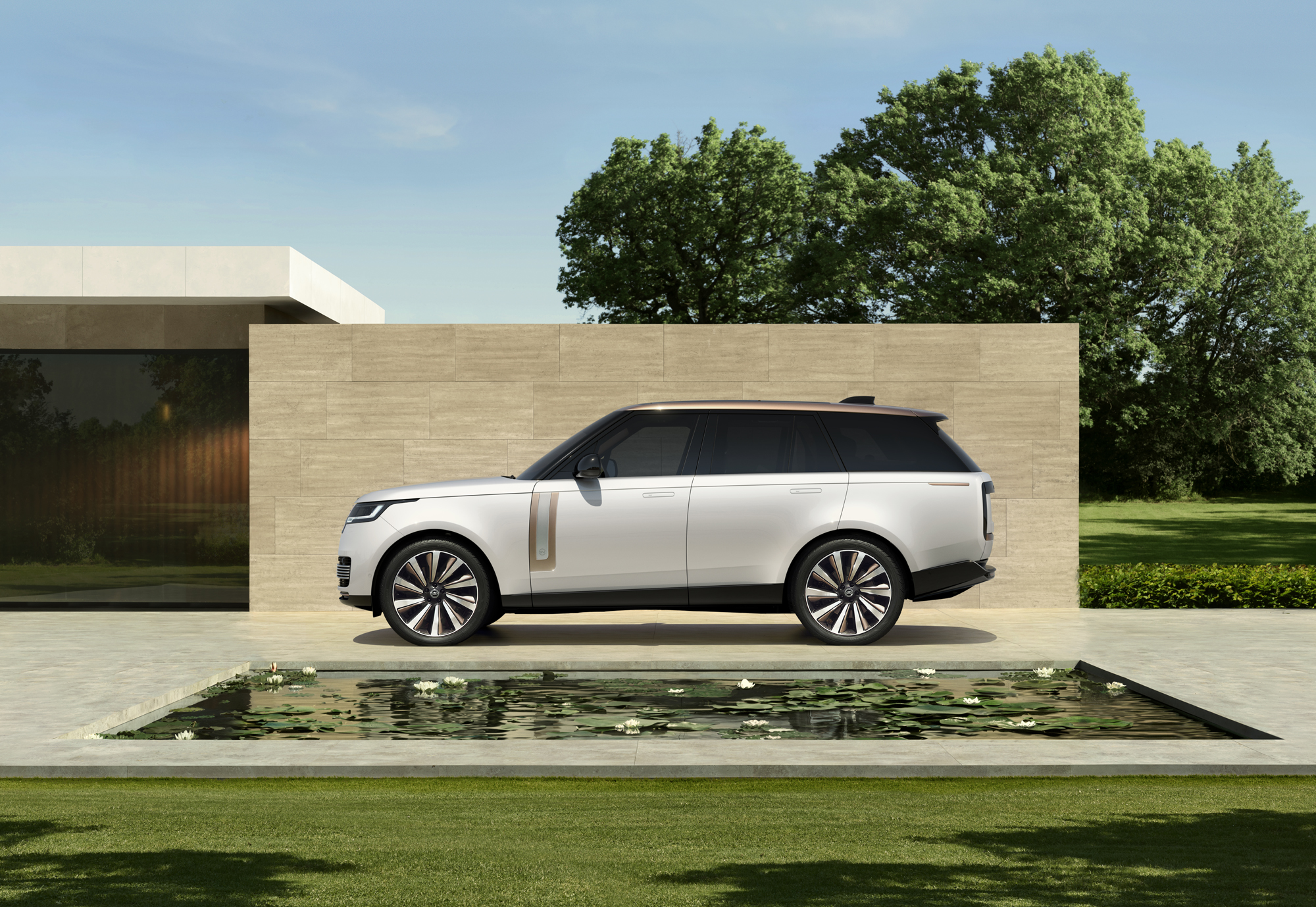
Much more than just another iconic luxury SUV, the Range Rover is the original luxury SUV. When it arrived in 1970, it broke new ground by combining the all-terrain capability of a Land Rover with the comfort, style and refinement of a big saloon. More than half a century later, we’re still only on the fifth-generation Range Rover, the model evolving – much like that other great European automotive icon, the Porsche 911 – with each new generation without ever risking alienating loyalists or breaking with tradition.
What’s so good about it
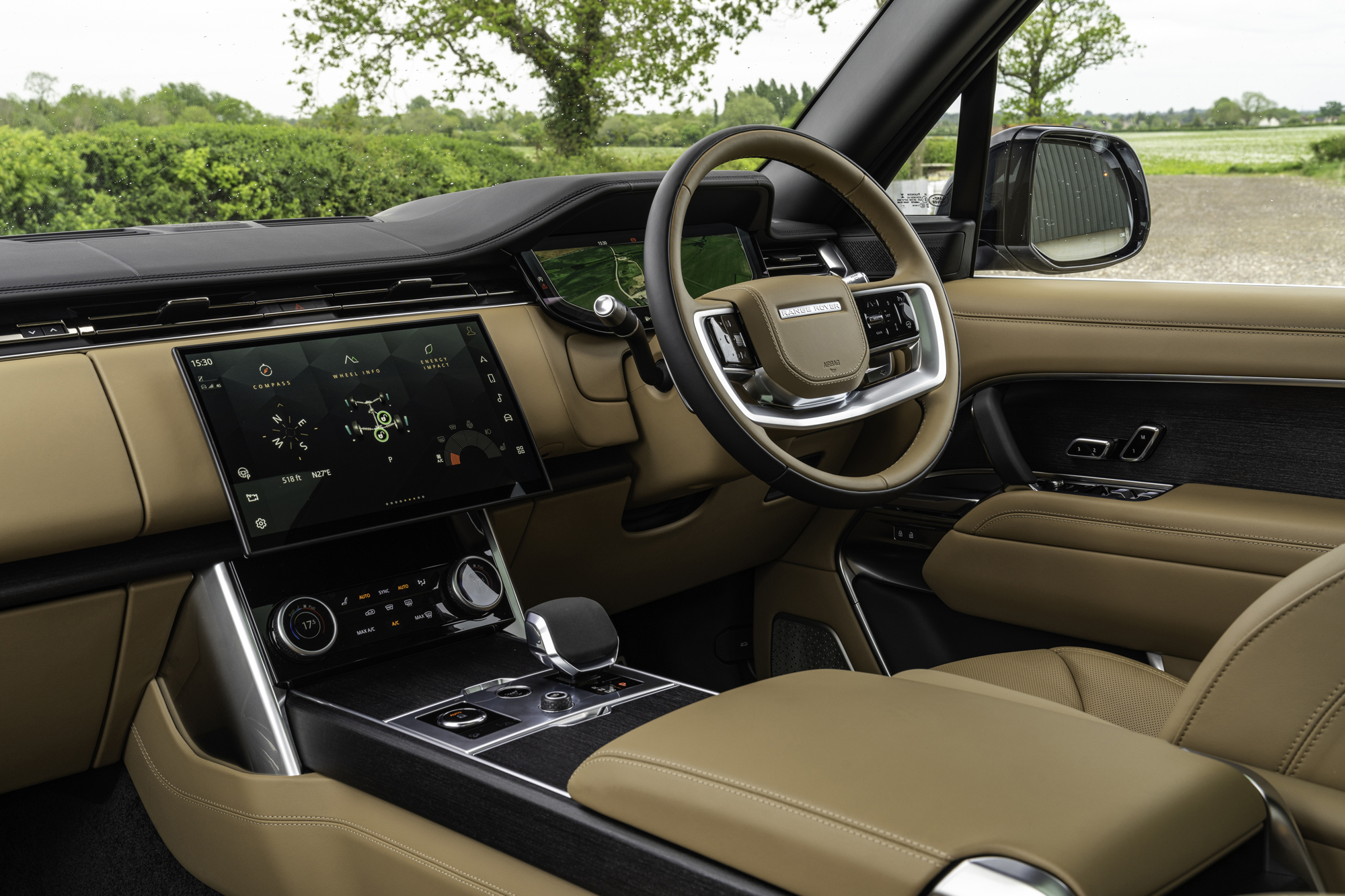
Have you looked at one recently? The Range Rover is a design masterclass: clean, uncluttered and at once both recognisably a Range Rover yet totally modern. Its creator said of the Range Rover, ‘People don’t need our cars, they desire them,’ and the current Range Rover is monstrously desirable – a four-wheel-drive Rolex Daytona or Hermes Birkin. And while many cars are either good off-road or comfortable on it, the Range Rover is both. Sublime on long highway runs, unstoppable in the mud and outrageously versatile, it’s the ultimate family car for those fortunate to have the budget. Comfort is next level. Almost regardless of speed or road surface, this thing cossets, with a pillowy soft ride even on really big wheels. Smaller wing mirrors, active noise cancelling, a stiff body structure and details like the front differential being mounted directly to the engine, to use the motor as a mass damper, all add up to a sumptuously, near-silent car on the road.
It’s also good to drive. You sit high, with fantastic visibility. The steering is ideally weighted, neither scary light nor pointlessly heavy, and with a precision that helps the car feel smaller than it is. Bodyroll is well controlled, particularly in Dynamic mode, the Range Rover moving a little on its suspension on turn-in before settling and holding a line with its physics-defying combination of anti-roll control, torque vectoring (braking individual wheels to help turn the car) and intelligent all-wheel drive. Yes, this is still a big car. But it’s so much easier to thread through urban streets and manoeuvre in tight spaces on and off-road than before. The impressive rear-wheel steering is key here, giving this big flagship an approachable and less intimidating character than before.
Several powertrain options are available, including the P460e plug-in hybrid, but we’d save £10k and throw things right back with the diesel six, the D350. Quiet, smooth, torquey and blessed with north of 500 miles of range, it’s a great fit. The P530 V8, derived from a BMW engine, is charming, with a burly engine note and far more performance than is required. It’s excessive, certainly, but this life isn’t a dress rehearsal. Treat yourself.
What’s wrong with it?
Where previous Range Rovers suffered with handling vagueness and troublesome wallow, the current-generation car banishes both. But don’t think for a moment the Range Rover can corner like a performance SUV. Get ham-fisted or greedy with the speed and it will protest, and the stability is clumsy if it feels compelled to step in. It’s also punchily priced, with even entry-level models priced above £100k, and SV models motoring up towards half a million. Mostly the product lives up to the piece, but those looking forward overt luxury in the cockpit will be disappointed. Where Bentley makes it very clear where it’s spent your money, with lavish materials and ostentation, the Range Rover’s vibe is very different. It’s more restrained, stark even, and embodies an unfussy approach to luxury.
The world’s best electric car: Renault 4
What is it?
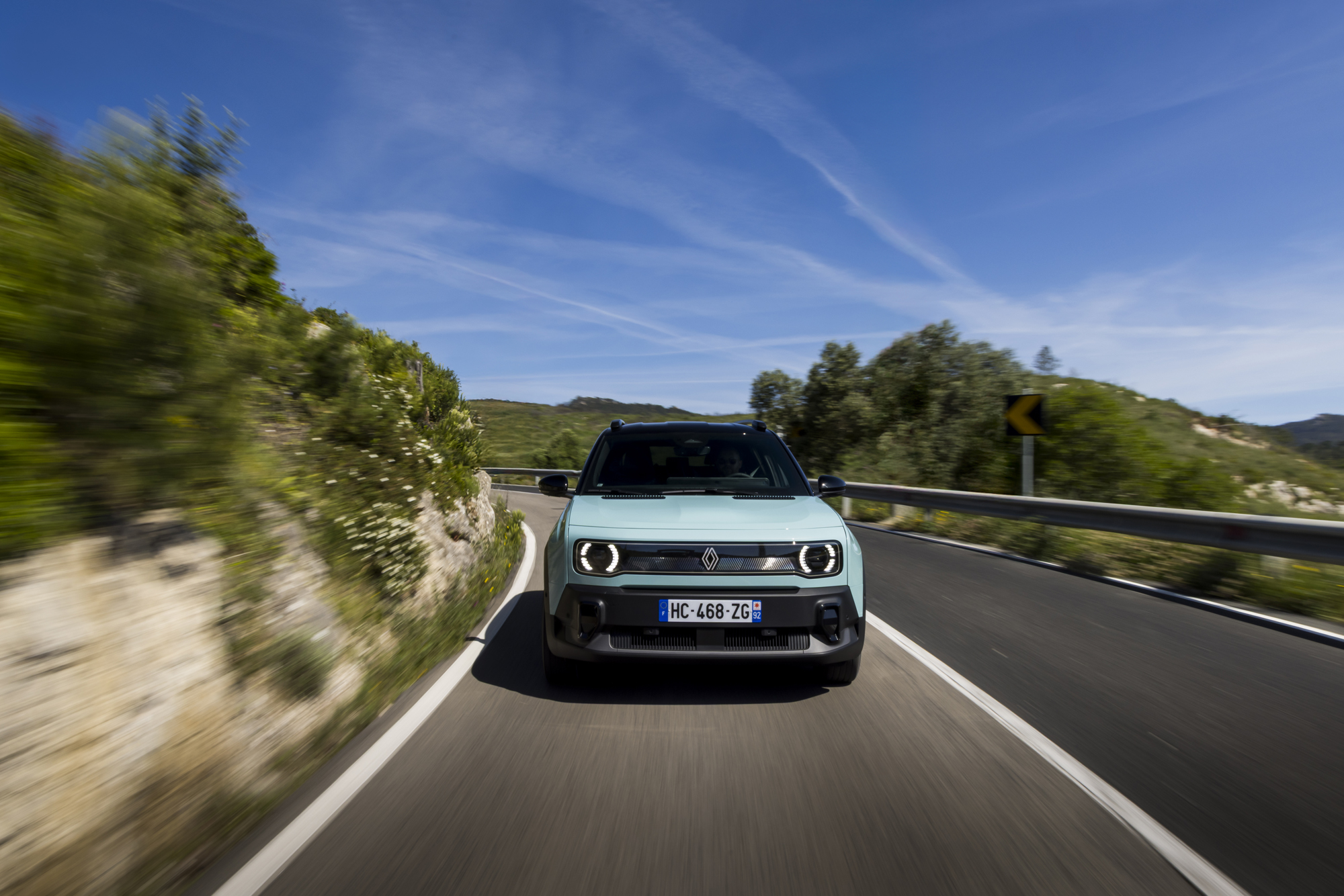
The Renault 4 E-Tech is the slightly more practical version of the Renault 5, also one of our favourite EVs of the moment. It’s the same platform and battery underneath, and the same dashboard and infotainment – which is no bad thing given that it’s a cute, well-finished dash and a user-friendly system with integrated Google Maps. As with the 5, you get a 52kWh battery for a 247-mile range, but the Renault 4 is a touch longer, a touch boxier, and is usefully more spacious in the back.
What’s so good about it?
You could live with the Renault if you’ve got a small family – especially as the 420-litre boot is actually bigger than the boot in a VW ID. 3. Only the Ford Puma Gen-E offers a bigger boot at this sort of price.
It’s a great all-round package. It’s neatly, wittily styled (especially if you go for one of the top two trims that get the owl-eyed, illuminated grille), it’s fun and light-footed to drive, the range is good enough for most drivers to live with, and the price is great. And it makes people smile, including the driver.
What’s wrong with it?
We can manage one proper complaint, and some vague, theoretical quibbling. Proper problem first: it’s difficult to be confident that you’ve engaged D when you want to go forwards or R when you want to go backwards. For the most part, that’s no big deal, and will be very familiar to a generation of Volvo drivers. Where it does become a problem is when you’re doing a three-point turn and trying to juggle D and R with some haste; you fluff one change, you get flustered, you fluff another, and so on, down into Hell. Relatedly, there are just too many stalks to the right of the steering wheel, and you’ll have to get used to being known locally as that Renault driver who likes wiping the windscreen on sunny days.
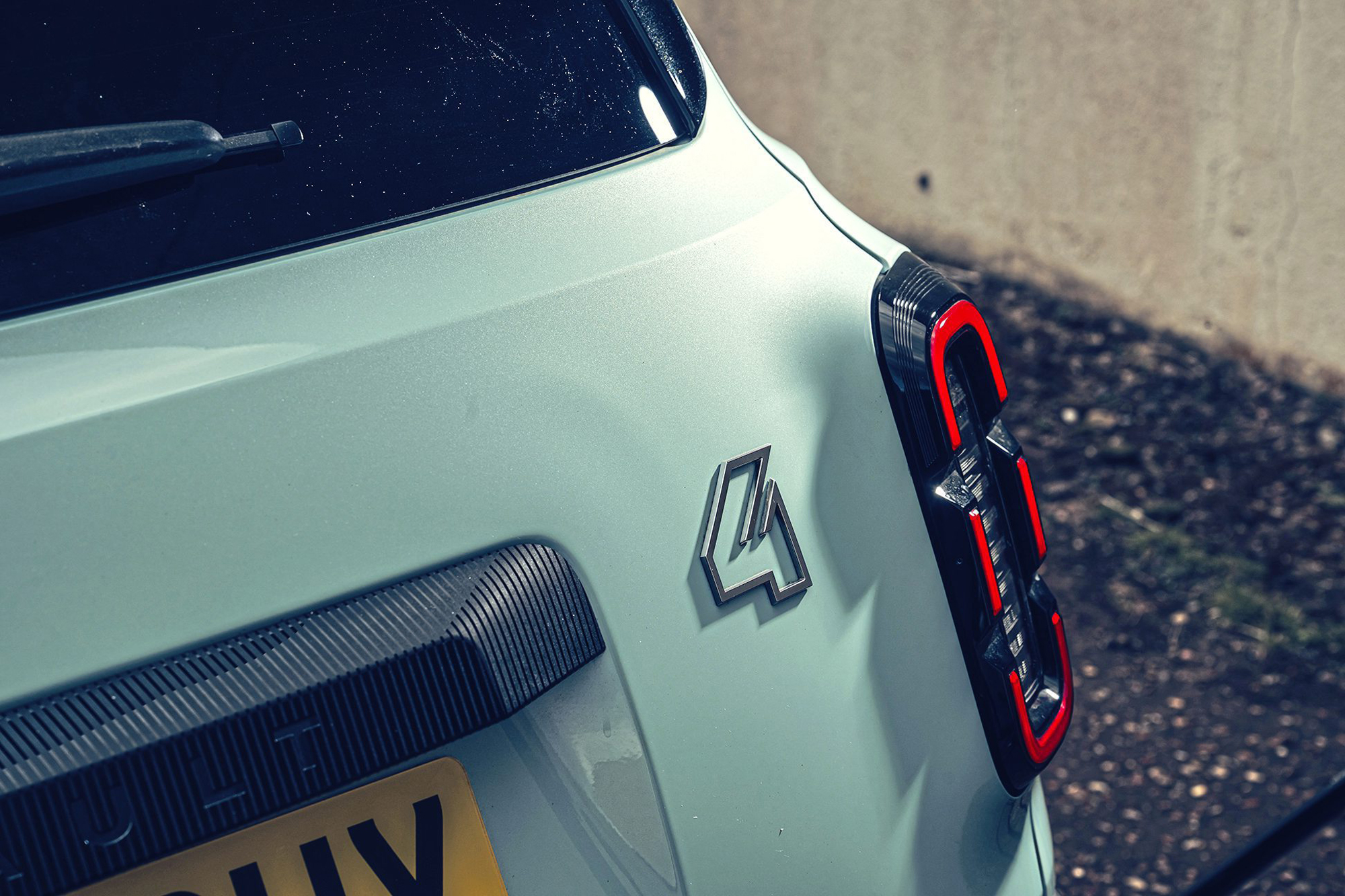
The other issue, the non-issue issue, is the whole retro thing. In a nutshell: you can see that the new electric 5 takes the shape and concept of the original 5; but if the 4 lost its badges, there’s little connection between this car and the long-running original. Once you start overthinking it, it all seems a bit silly, like wearing spats and plus fours to the supermarket. Also, there’s an optional baguette holder.
The world’s best sports coupe: BMW M2
What is it?
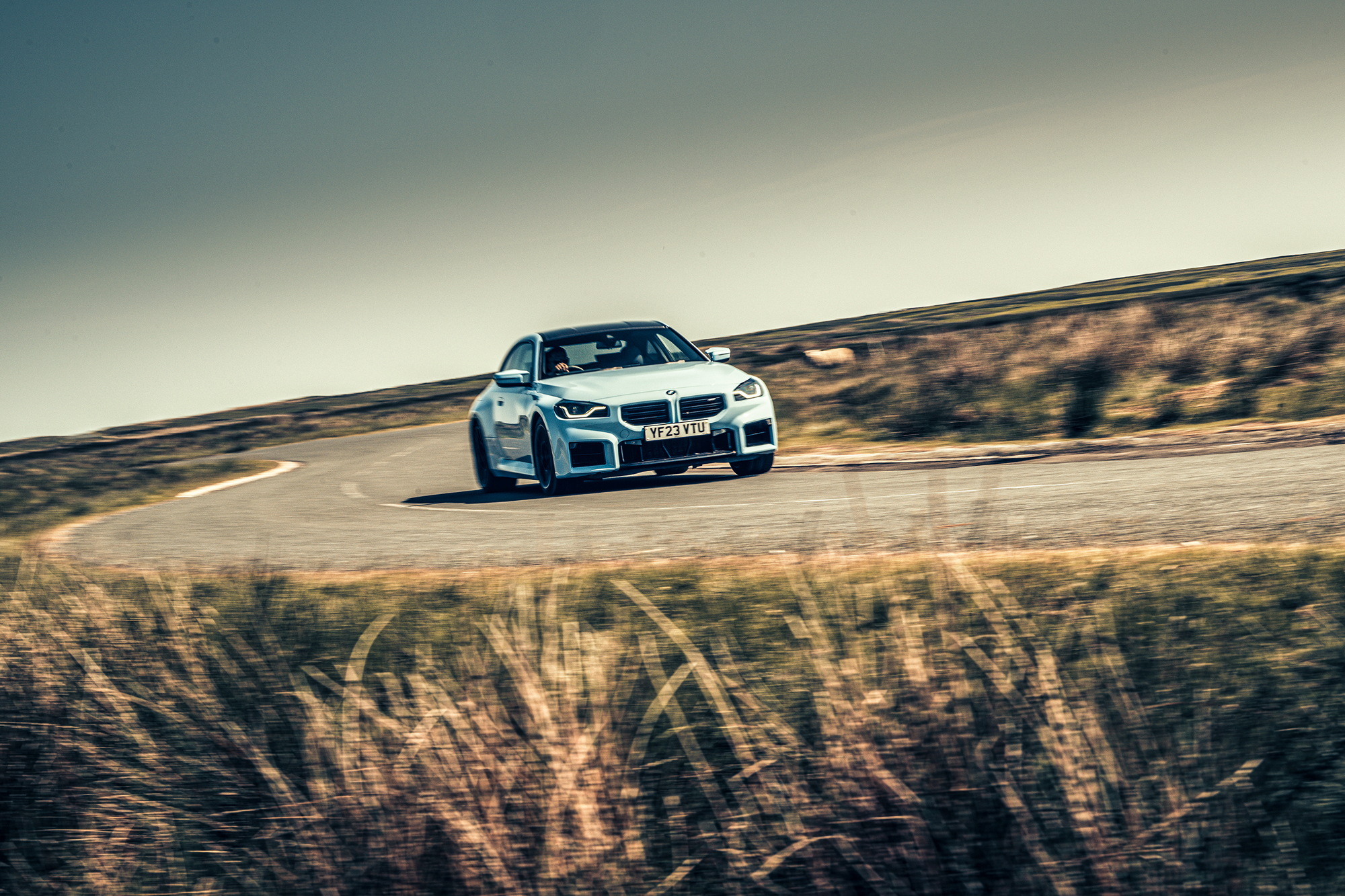
The smallest, simplest and most fun BMW M car money can buy, and our pick of the (admittedly not large) small coupe world. On borrowed time these days, the M2 is something of a parts-bin special – a modified 2-series monocoque stuffed with a bunch of M3/M4 parts and systems. Of course, this is not a new page in the M playbook – the previous M2 used a similar recipe – and adopting a bunch of M3/M4 components is a fine idea. What’s more, despite the shared DNA, the M2 has a character all of its own; edgier than its bigger sibling, and keener to have a good time.
What’s so good about it?
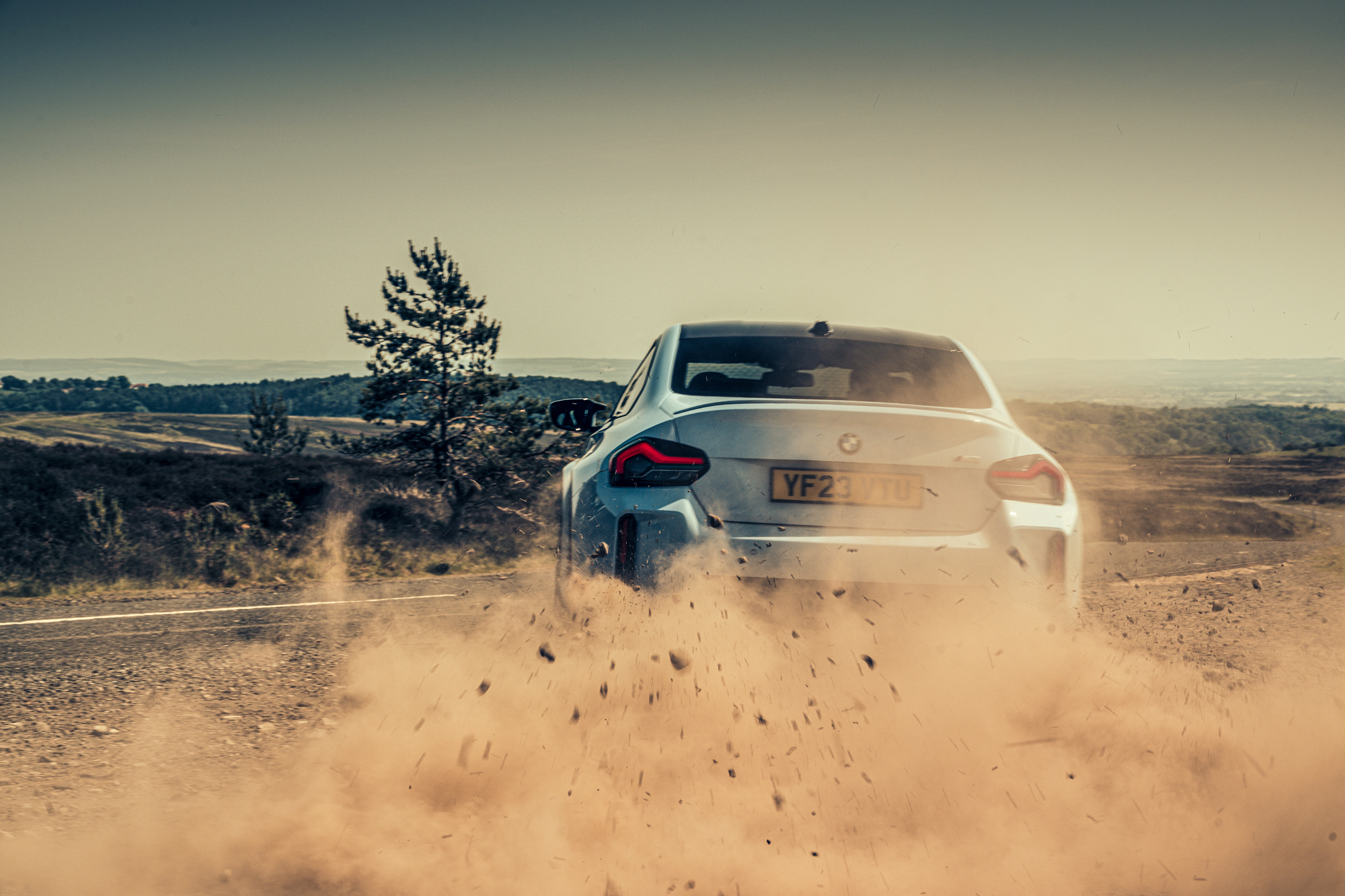
The M2’s appeal is midway between the focused flickability of a purebred sports car and the big-lunged punch of a muscle car. Like the bigger M4, front-axle grip is superb, making the BMW all but immune to understeer. And from there you can set about toying with the car’s fantastic balance as you want. Get busy on the throttle in something like the right gear and the way in which you can intuitively rotate the M2 through turns is both rewarding and straightforward, the rear tyres happily heading into that malleable grip/slip grey area with a linearity that breeds enormous confidence. The quick steering helps too, and with that multi-stage traction control on hand to catch you should you fall, the M2 sets you free to enjoy yourself. Where the M3 and M4 major on awesome ability, the M2 has an addictive playfulness; a distinctly looser and more fun-loving character
What’s wrong with it?
The M2 is no longer small, and worryingly close to the bigger M4 across a lot of its spec sheet. The M2’s 1887mm wide, weighs 1775kg with the six-speed manual gearbox (1800kg with the auto) and runs 0-62mph in 4.3 seconds (4.1 seconds for the auto). The M4 Comp is same width, the same weight and sits on the same Michelin Pilot Sport 4S tyres. So the M2 isn’t a smaller, lighter car – just a different take on the same fundamentals. And all that weight blunts its power-to-weight ratio, which is a little over 250bhp per tonne (the Cayman GTS clocks in at more like 281bhp per tonne), helping explain why the M2 never feels as accelerative as the numbers suggest it should.
Some of its basics aren’t as good as they should be, either. Why Honda can nail this stuff in the Civic Type R but BMW can’t is beyond us, but the Civic Type R has a nicer manual gearbox than the M2 (sweeter action and the lever’s closer to the wheel – the BMW’s feel like it’s high and somehow behind you), sweeter steering (more feel, more natural) and better brakes (firmer pedal, progressive action).
And then there’s the engine. The BMW’s engine sounds pretty good, its six-cylinder high notes underscored by the dull thud of discharged pressure. But it’s not a patch on a Porsche flat-six, and particularly the naturally-aspirated flat-six that just went off sale in the Boxster/Cayman GTSs and GT4s.
The world’s best hypercar: Ferrari F80
What is it?
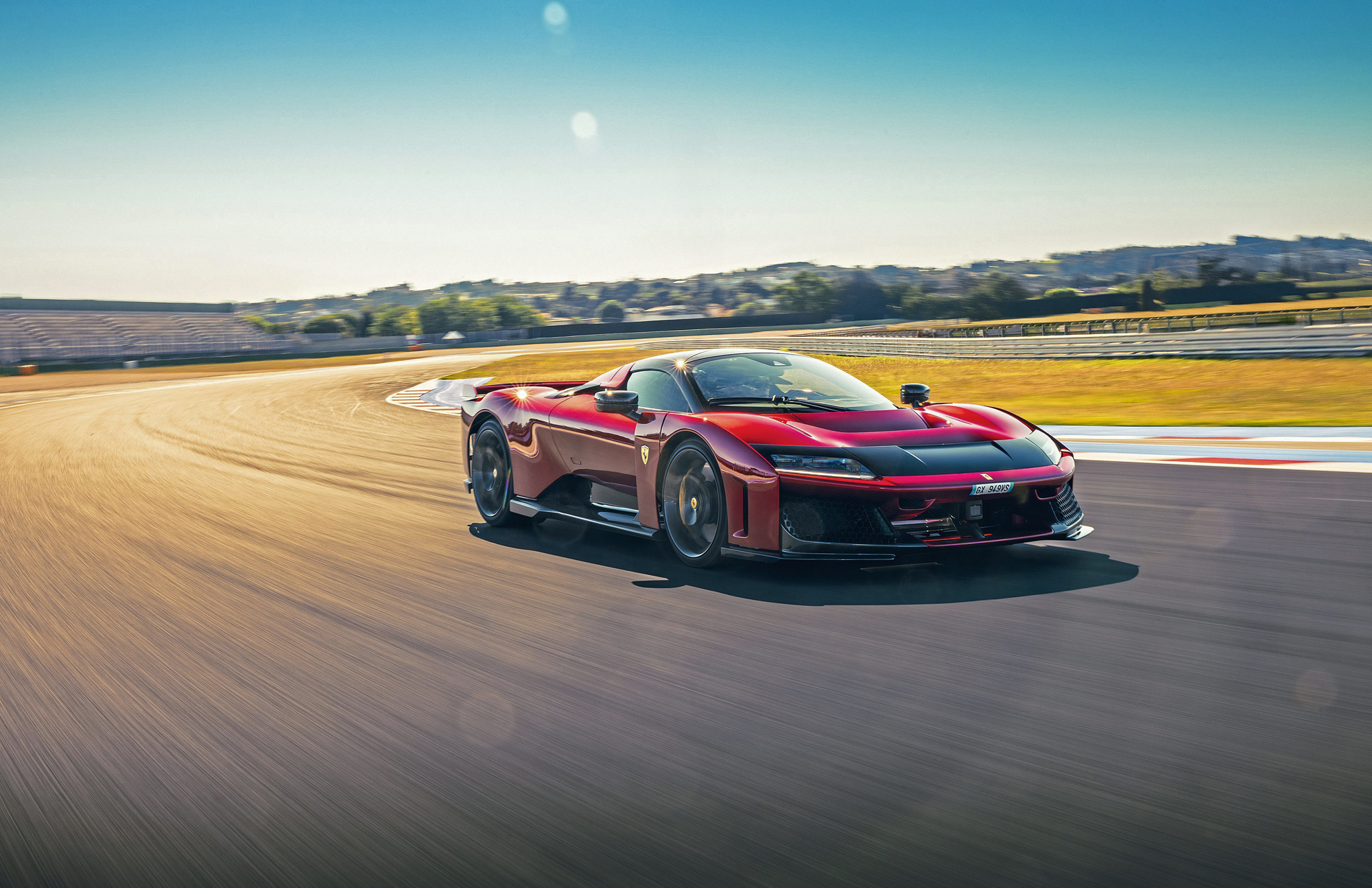
The F80 is the ultimate roadgoing Ferrari. Every last piece of knowledge and experience that Maranello has accumulated over the last 80-plus years, distilled into a single hypercar, and a successor to lauded cars like the F40, F50, Enzo and LaFerrari. It’s Ferrari’s latest once-per-decade statement, and it’s a huge deal.
What’s so good about it?
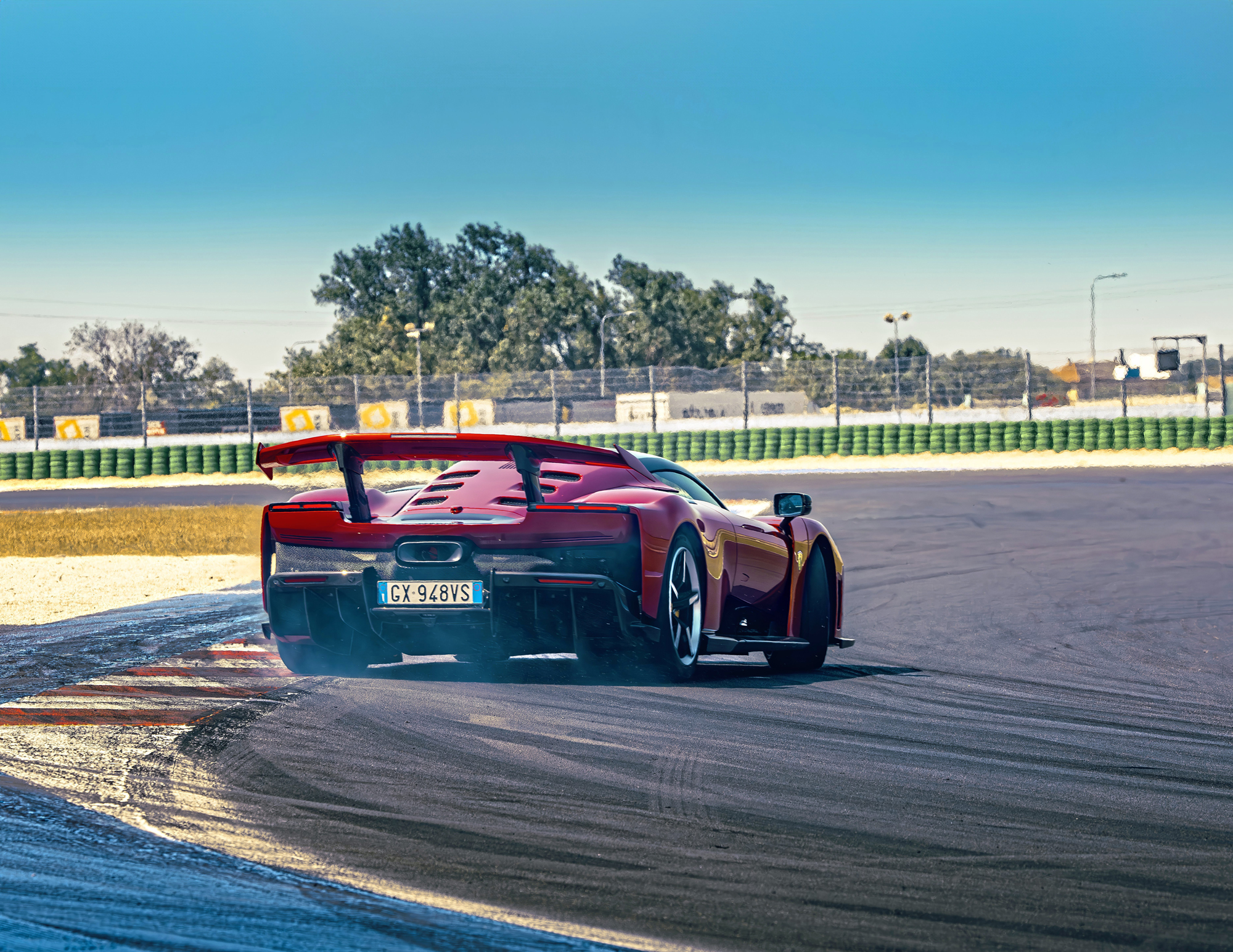
It’s fiendishly capable around a track. Of course it is. That’s what 1183bhp and 1000kg of aero load does. But it’s the fact that it can match this with genuine roadgoing ability that makes the F80 so special. We tried to fault it, we really did. But despite throwing some of the worst roads that Italy has at it, the F80 was mesmerisingly good on the public highway. Fun, usable and bloody fast. It defies logic.
What’s wrong with it?
For a start, it’s over £3m and they’re all sold out. But also, it’s Ferrari’s top-of-the-line model and it’s not a V12. It’s a V6 hybrid. That doesn’t impact the driving experience in the slightest – not once do you find yourself wishing for more performance. But it does mean it doesn’t sound anywhere near as good as Ferrari hypercars of old.
The world’s best GT: Ferrari Roma
What is it?
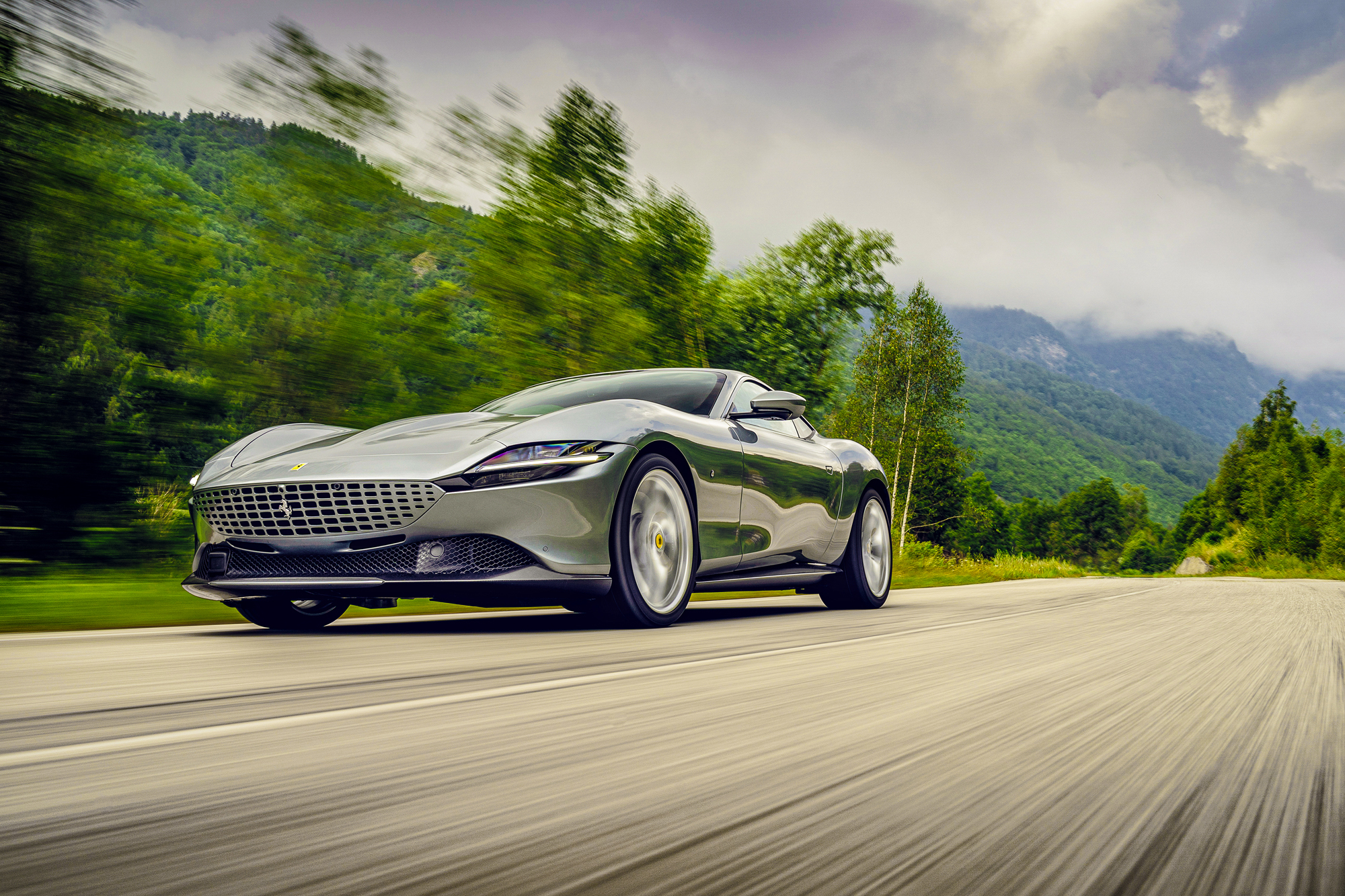
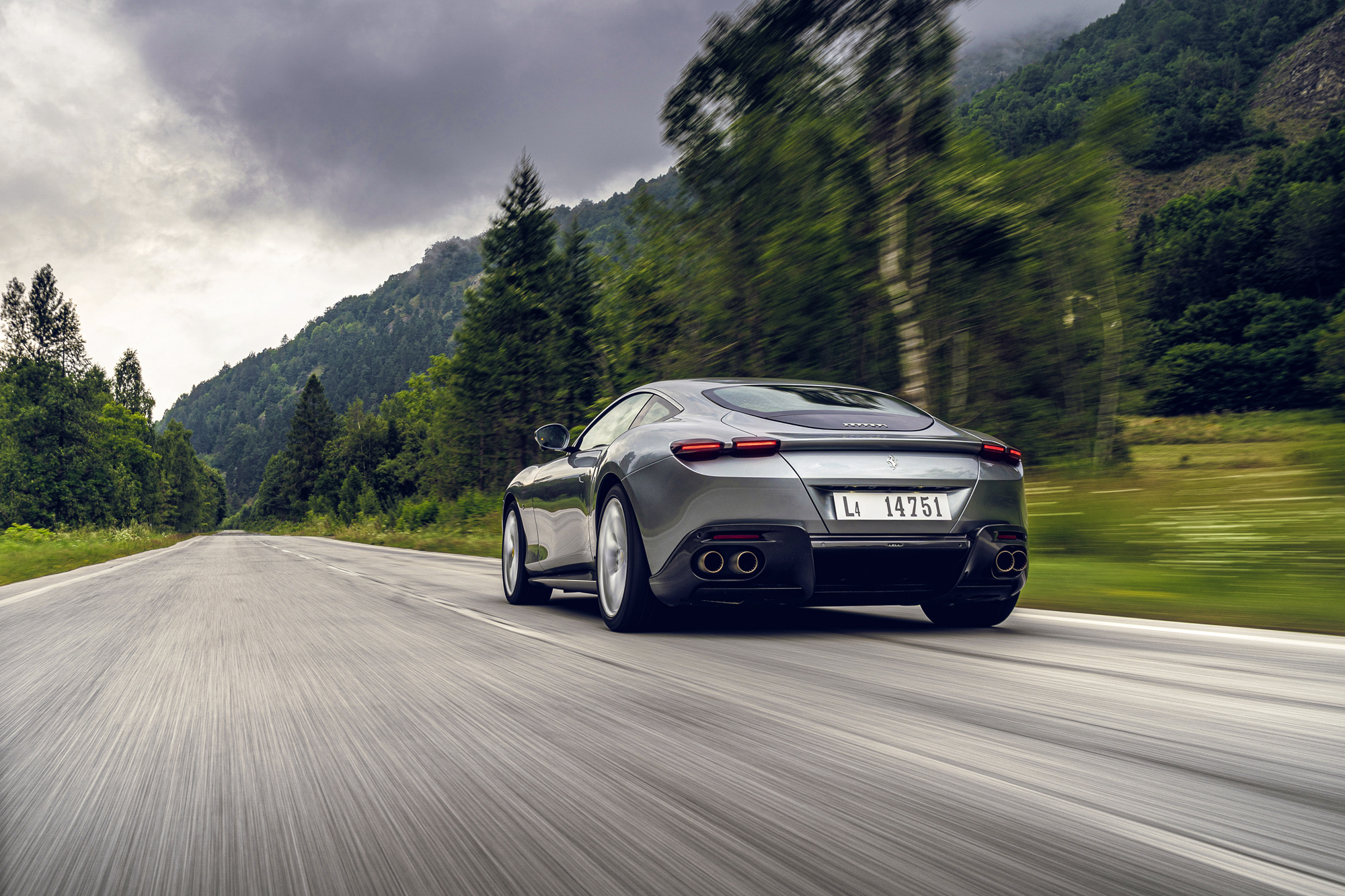
When it arrived half a decade ago, the marketing spin on the Roma was ‘la dolce vita’ – all vomit-inducing fluff around beautiful people in beautiful places in a time that’s no longer with us (sadly). But you know what? To drive a Roma is to slip into a world apart from the one we live in; a sexier, more fun world that’s a joy to visit and wrench to leave.
What’s so good about it?
The Roma’s template is timeless: gorgeous coupe silhouette, engine up front, 2+2 cab slung at the back. It looks fabulous – understated and elegant where its mid-engined stablemates are so faddy and fussy – and it’s fabulous to drive, too; compliant and comfortable yet crazy-fast and impressively accessible for a car this potent.
What’s wrong with it?
It’s nearly gone. The Roma’s had its time, and the car that replaces it – the Amalfi – is incoming. Ferrari’s recent move back towards a physical engine start button and more sensible haptic steering-wheel controls bodes well for the Amalfi, and should address the Roma’s one real vice, namely its complex and overly fussy infotainment. Yes, it gets better with experience. But you could drive an early Roma to the moon and back and not get the hang of some its infuriating controls.
The only other Roma flaws are its engine noise, which is a little flat, being turbocharged, and the fact that its agile, rear-drive set-up might be a little too agile for those looking for a softer, more forgiving GT. Bentley sells the right car for these people. Talking of British rivals, Aston’s Vantage is also better than it’s been for generations, and a hugely tempting alternative to Maranello’s masterpiece.
The world’s best saloon: BMW 3-series
What is it?
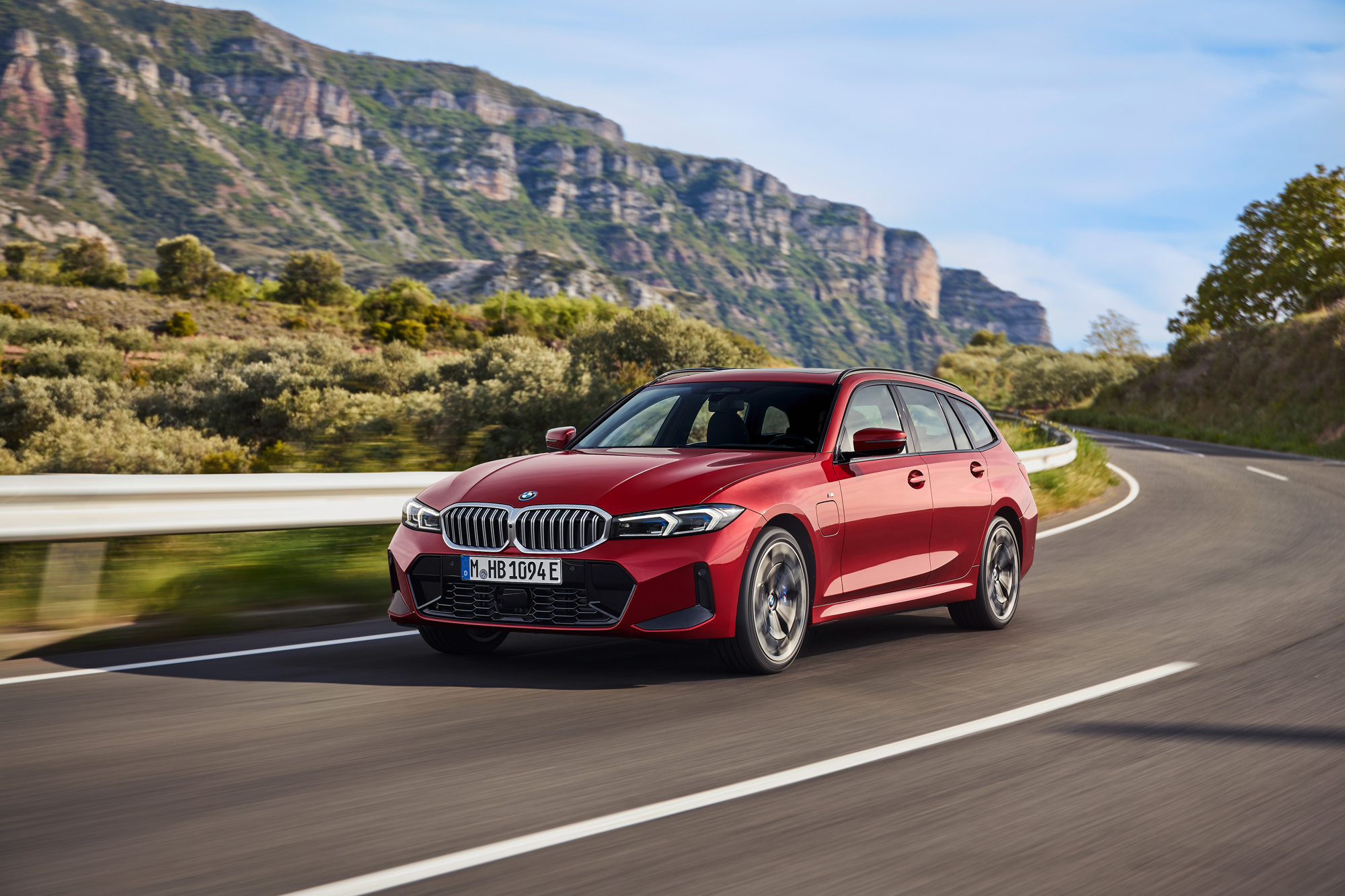
Quite possibly the one car to rule them all. The BMW 3-series is the do-everything-yet-please-everyone small executive car that still dominates the competition more than 50 years on.
What’s so good about it?
Er, well… everything really. It handles fabulously – from the base-spec, low-engined ones to the hardcore M3 CS versions – and it’s hugely flexible. Like the X5, BMW’s plug-in hybrid powertrains make it a company-car dream, its interior feels good and works well and it’s managed to not entirely be beaten by BMW’s modern-day ugly stick.
What’s wrong with it?
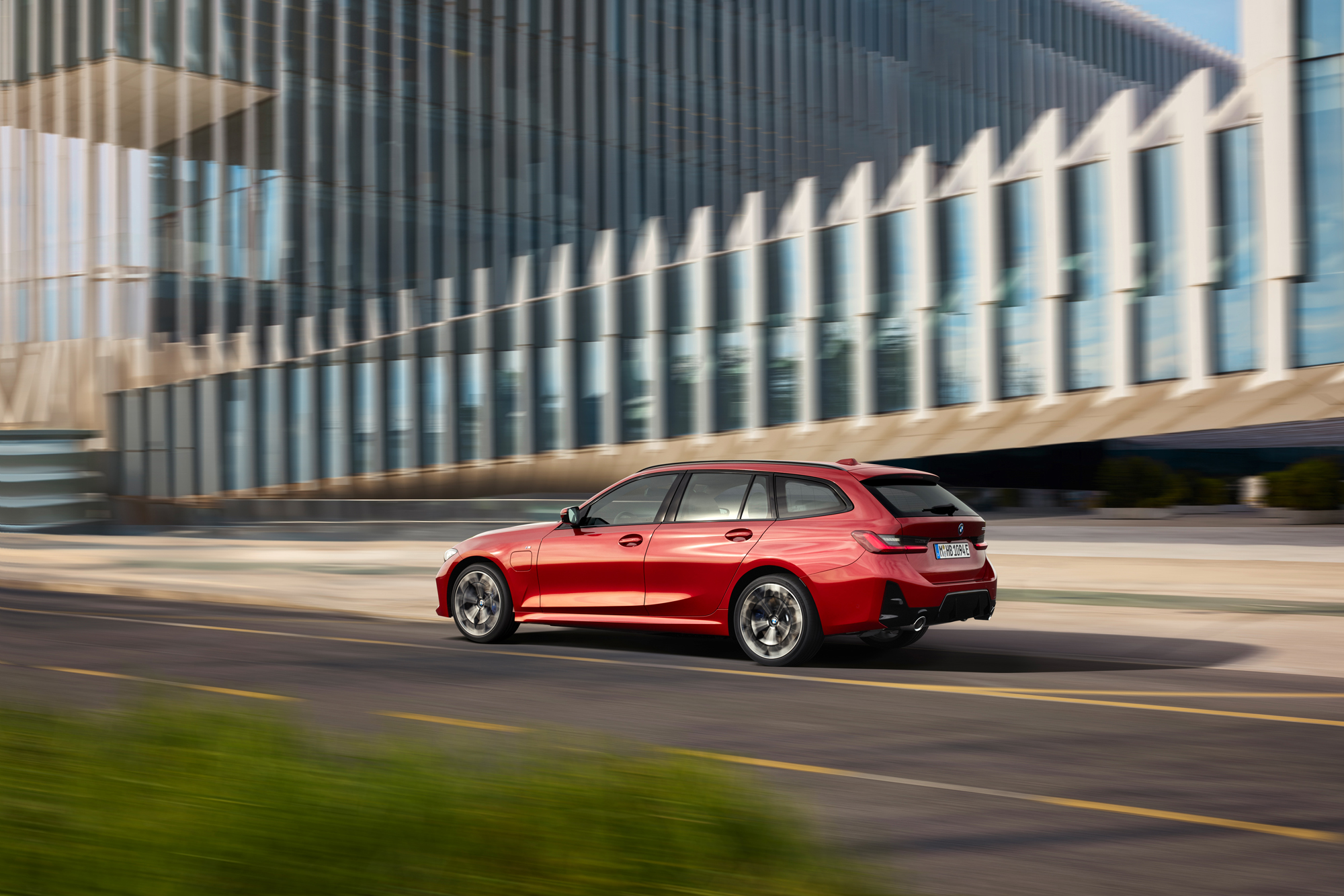
It’s a little bit unimaginative, right? Given the 3-series took over from Mondeo Man as the car for aspirational go-getters, having one on your drive doesn’t really say a lot about you any more. And the M3 models, while brilliant, are saddled with that mole-rat grille arrangement we’re still struggling to get used to.
The world’s best SUV: Land Rover Defender
What is it?
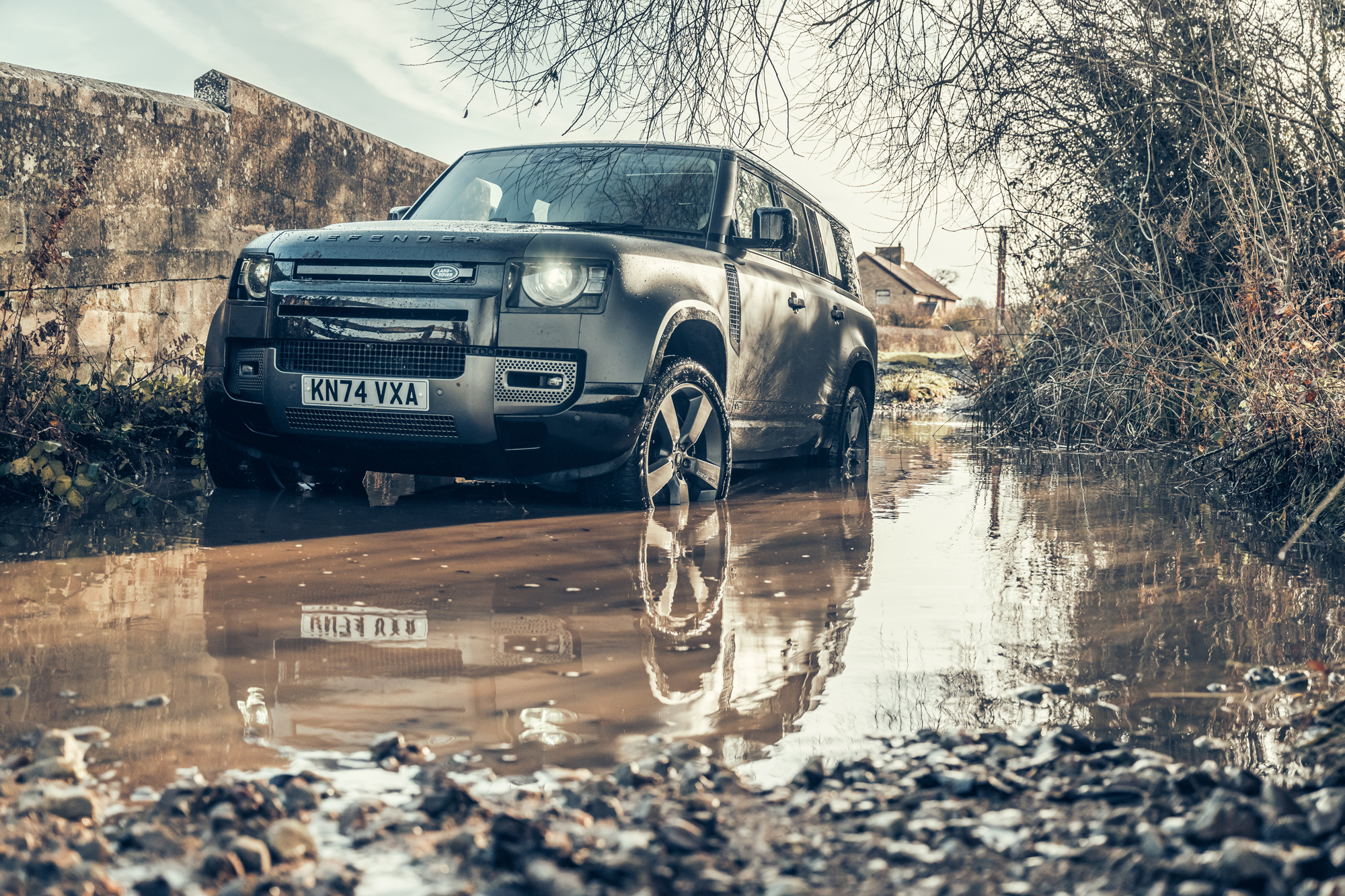
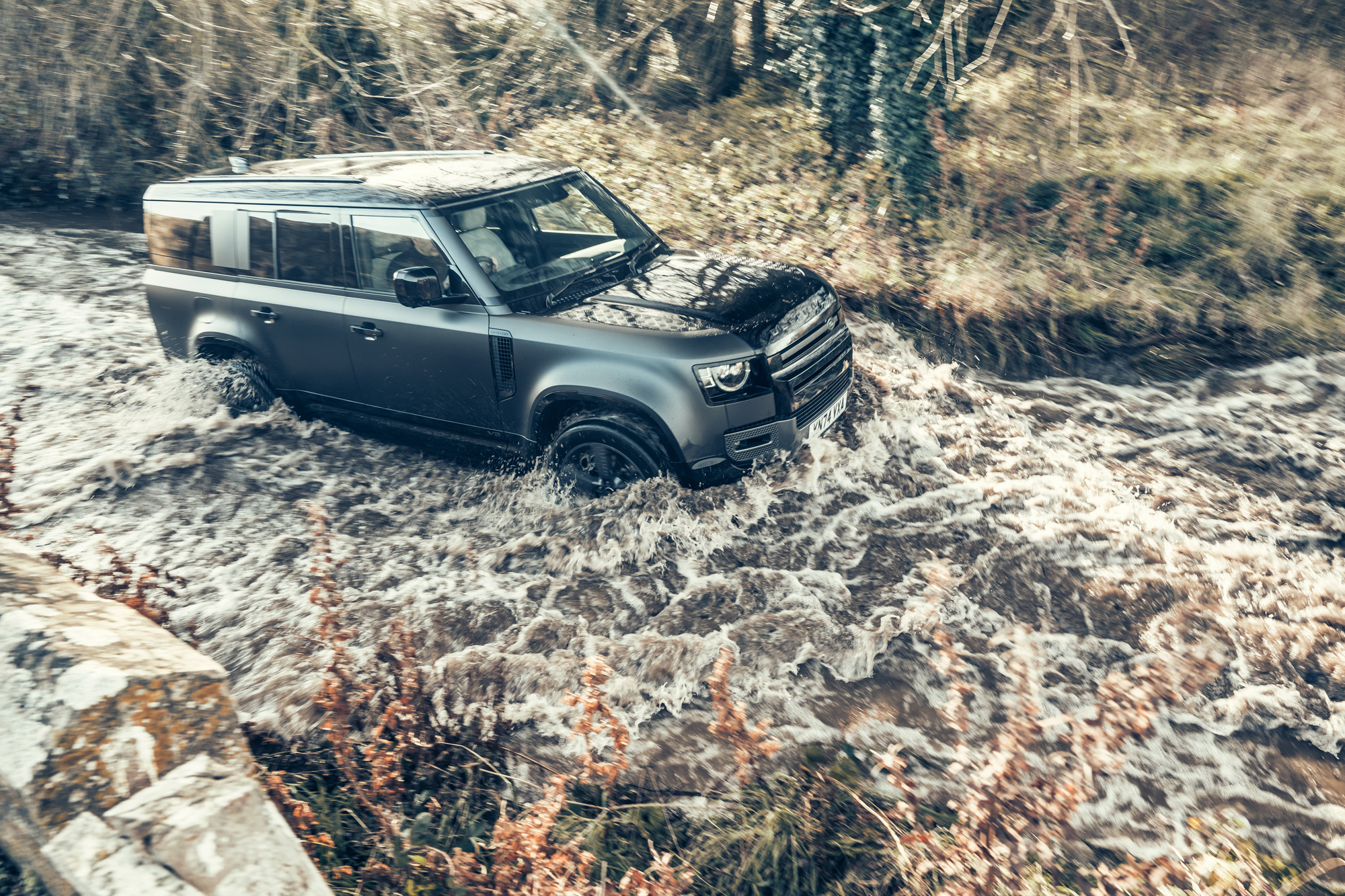
Land Rover was always going to reinvent the Defender, the name plate previously worn by the last models in bloodline that stretches back to the company’s very genesis, in the middle of the last century. But it took its sweet time, airing concepts now and again, gauging reaction, and pressing the big red button only when it was sure it’d absolutely nailed the brief. The result is sensational. Superb off-road, great on it, good looking and wildly successful; after more than five years on sale, Land Rover can’t build them fast enough. The Defender’s available in three body styles, so you can choose shorty and agile 90, family-friendly 110 or luxo-barge 130.
What’s so good about it?
The styling is knockout, with huge road presence. And Land Rover took what made the original Land Rover great and bettered it on every front while making the new car a thoroughly modern vehicle. This is not the old Defender updated – that’s the Ineos Grenadier. This is a comfy, versatile family car that crawls boulder fields in its spare time. Great range of engines, too, and the well-heeled can spend big on the Defender Octa, a Dakar-ready powerhouse that’s miles better than the regular car on road and off it.
What’s wrong with it?
Defenders are expensive, no getting away from it, and Land Rover reliability – while much improved – can still be a worry, particularly when you’re buying outright rather than financing new. Actual flaws are few and far between. The lack of rear-wheel steering can make the 110 and 130 feel cumbersome at parking speeds. The 90 looks cool but it’s ridiculously compromised in terms of practicality and space, managing sub-three-door-hatchback levels of practicality in an SUV… The Defender’s also a big, heavy car, meaning fuel economy’s never great and, while it’ll leave an old Defender for dead on any road, the current Defender can’t hustle a canyon road like a Porsche Macan GTS or Range Rover Sport. But that’s fine. In fact, that’s why we love the Defender so much. It’s not in a hurry, it’s got bags of character, and residual values are right up there with the best.
The world’s best hot hatch: Toyota GR Yaris
What is it?
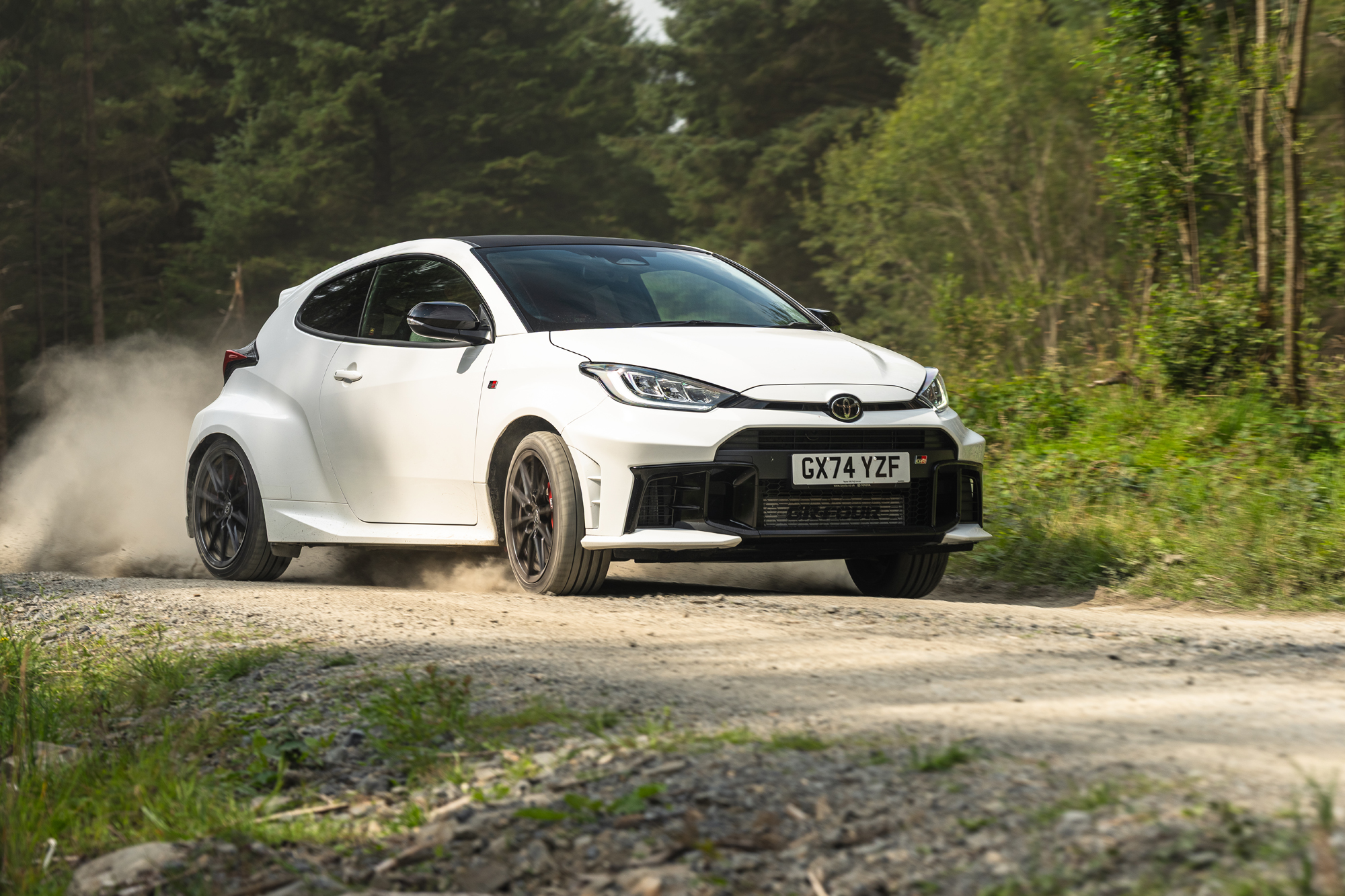
A small but perfectly wild four-wheel-drive hot hatch that looks like a rally car because it is one. It also produces an ungodly amount of power from a not very large engine. Special and unique, it shot to the top of our hot hatch rankings upon release.
What’s so good about it?
It may be all-wheel drive but it’s as playful as the best hot hatches, and the fact it can be had with a (very good) manual gearbox makes it feel like a unicorn in this day and age. It’s faster than anything this small has any right to be, it’s sure-footed no matter what the weather and its almost entirely mechanical-feeling control weights make it an enthusiast’s dream.
What’s wrong with it?
It can be a bit of a headache as a daily driver – quite literally. Lightweight materials might be great for handling, but that also means it’s light on soundproofing. The rear seats aren’t that useful for people with heads, either.
The world’s best plug-in hybrid: BMW X5 PHEV
What is it?
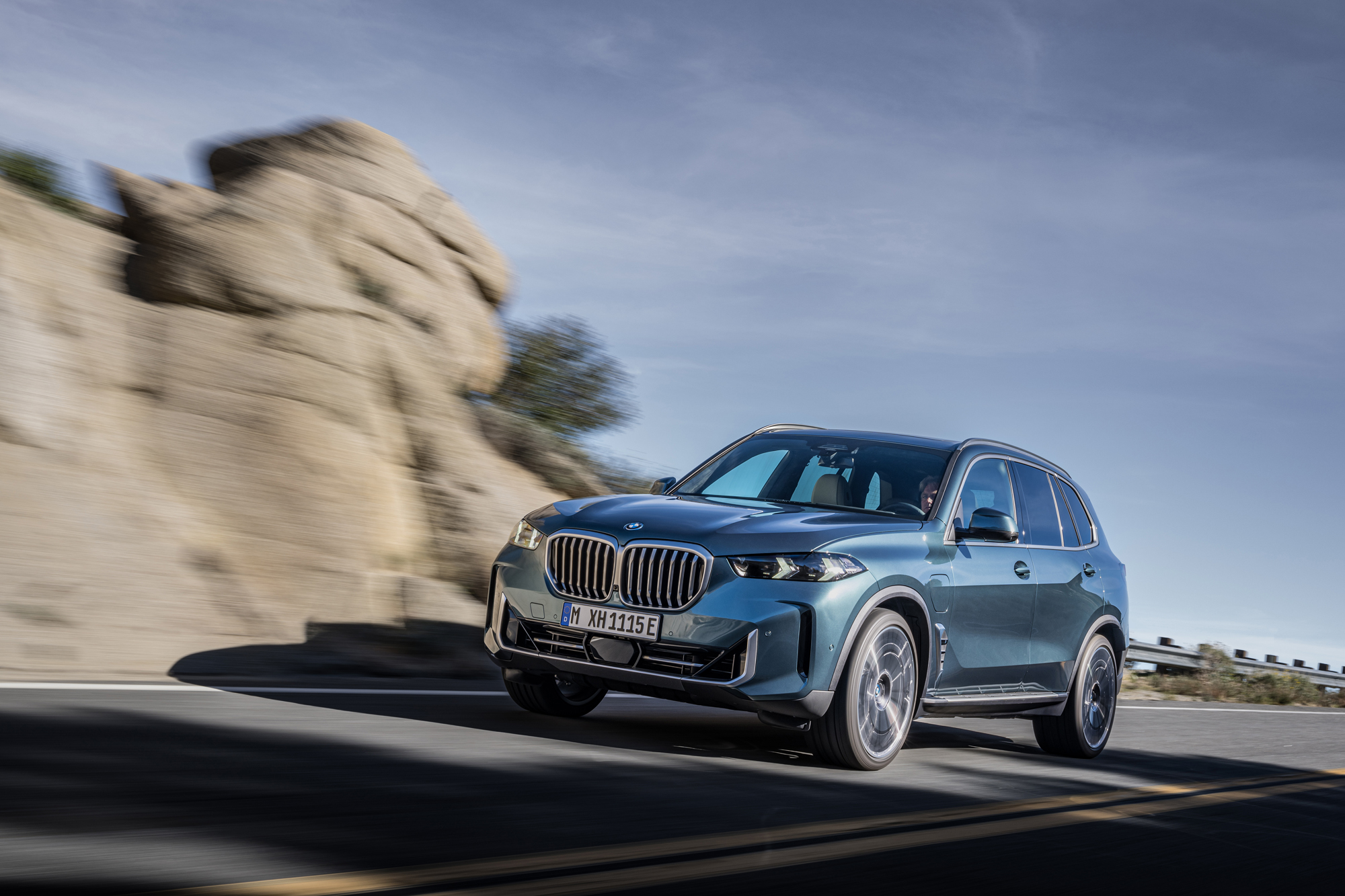
The X5 is BMW’s most versatile SUV, and it’s been a big player for decades, helping kick off BMW’s ‘sports activity vehicle’ marketing nonsense 20-odd years ago. It’s BMW’s Cayenne, basically, and the plug-in hybrid version of it is arguably the X5 at its best.
What’s so good about it?
Very much like the Cayenne, the X5 is an extremely usable family car from an attractive and prestigious brand that’s also a dream to drive – flying in the face of some of the normal conventions of fat, heavy and inert SUVs. The plug-in hybrid model is arguably the best version, mainly because of its hugely usable driving range (between 60 and 70 miles) and generally smooth powertrain. The fact that it’s heavier than a regular one and yet doesn’t feel it when you’re at the wheel makes you think BMW’s engineers might be wizards.
What’s wrong with it?
Let’s be honest, an X5 always gives off a particular image to many on the road. It’s not quite as subtle and svelte as a Volvo XC90 that is also a very good plug-in hybrid, so you’ll usually get some fruity hand signals flung your way – even if you’re driving like a saint.