
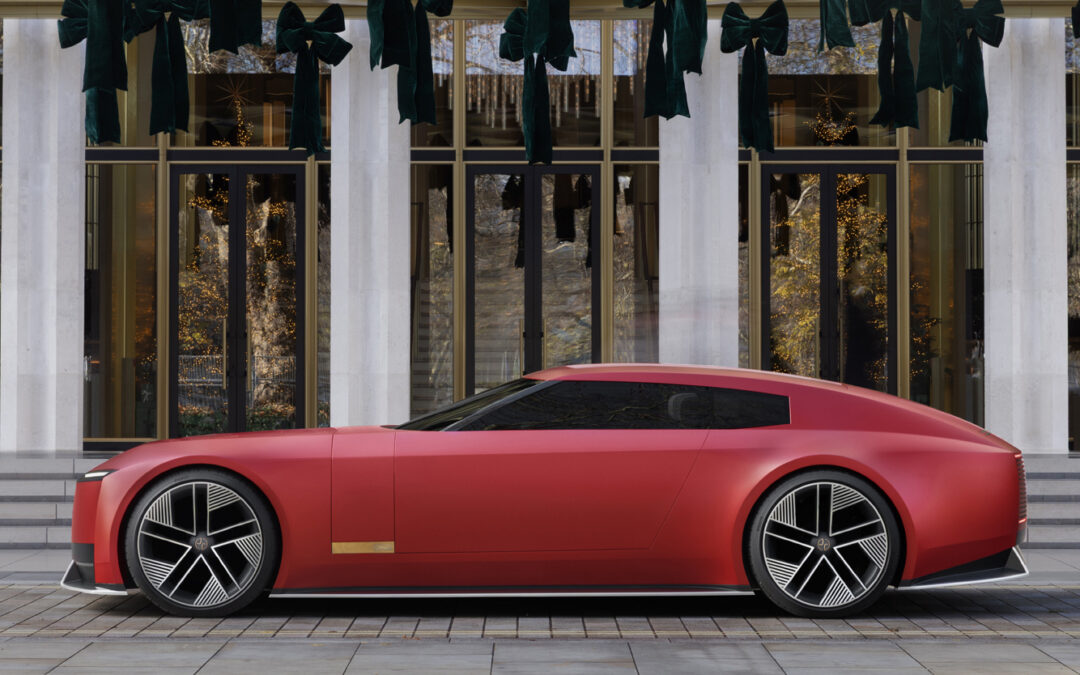
We’ve been in the ‘woke’ Jaguar: it’s real and it’s shocking
Remember the pink Jag internet meltdown? The actual production car is nearly finished – and we’ve been in it
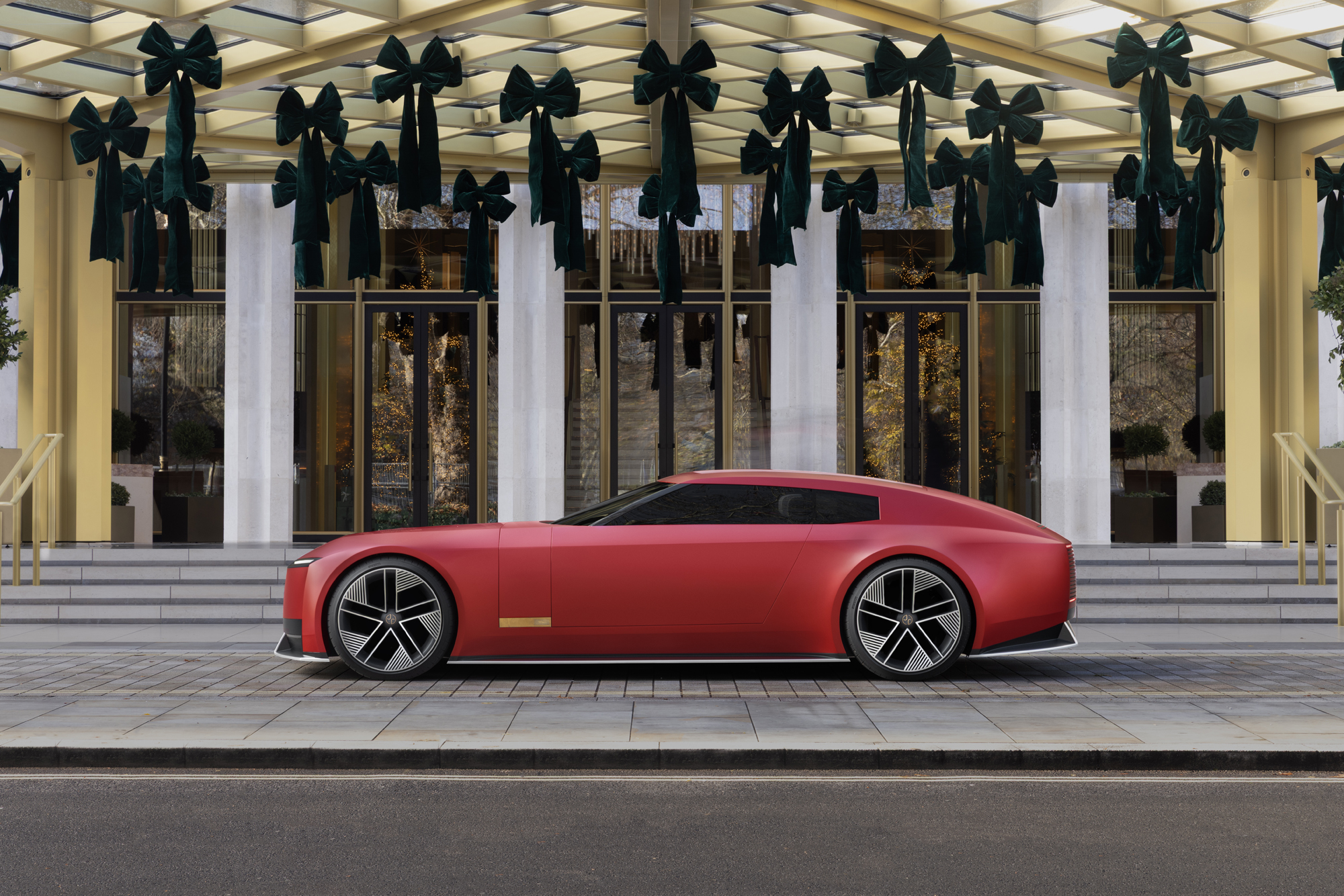
No new car has ever caused a reaction as intemperate or as massive in its scale as the Jaguar Type 00 concept revealed almost exactly a year ago. The car itself was lost in the furore. Instead, its perhaps provocatively pink image became a lightning rod for the ire of the anti-woke movement, who were incensed more by Jaguar’s conspicuously inclusive campaign imagery than by any reasoned analysis of its new design direction or its decision to go wholly electric.
It led the global news for days and drew interventions from President Trump and Elon Musk. The then-CEO Adrian Mardell had said he wanted the launch of the Type 00 to match the sensation caused by the debut of the E-Type more than 60 years before. He certainly got his wish, if not for the reason he’d hoped.
The car didn’t deserve the ire, but Jaguar was guilty of a double mistiming, going ‘woke’ just as the world went the other way with Trump’s re-election, and going EV just as the world cooled significantly on them, especially in the luxury segment. The marketing campaign with that diverse group of models striding across a purple lunar landscape has doubtless been locked in a digital vault never to be seen on official channels again, but Jaguar still must deal with the second issue, going electric.
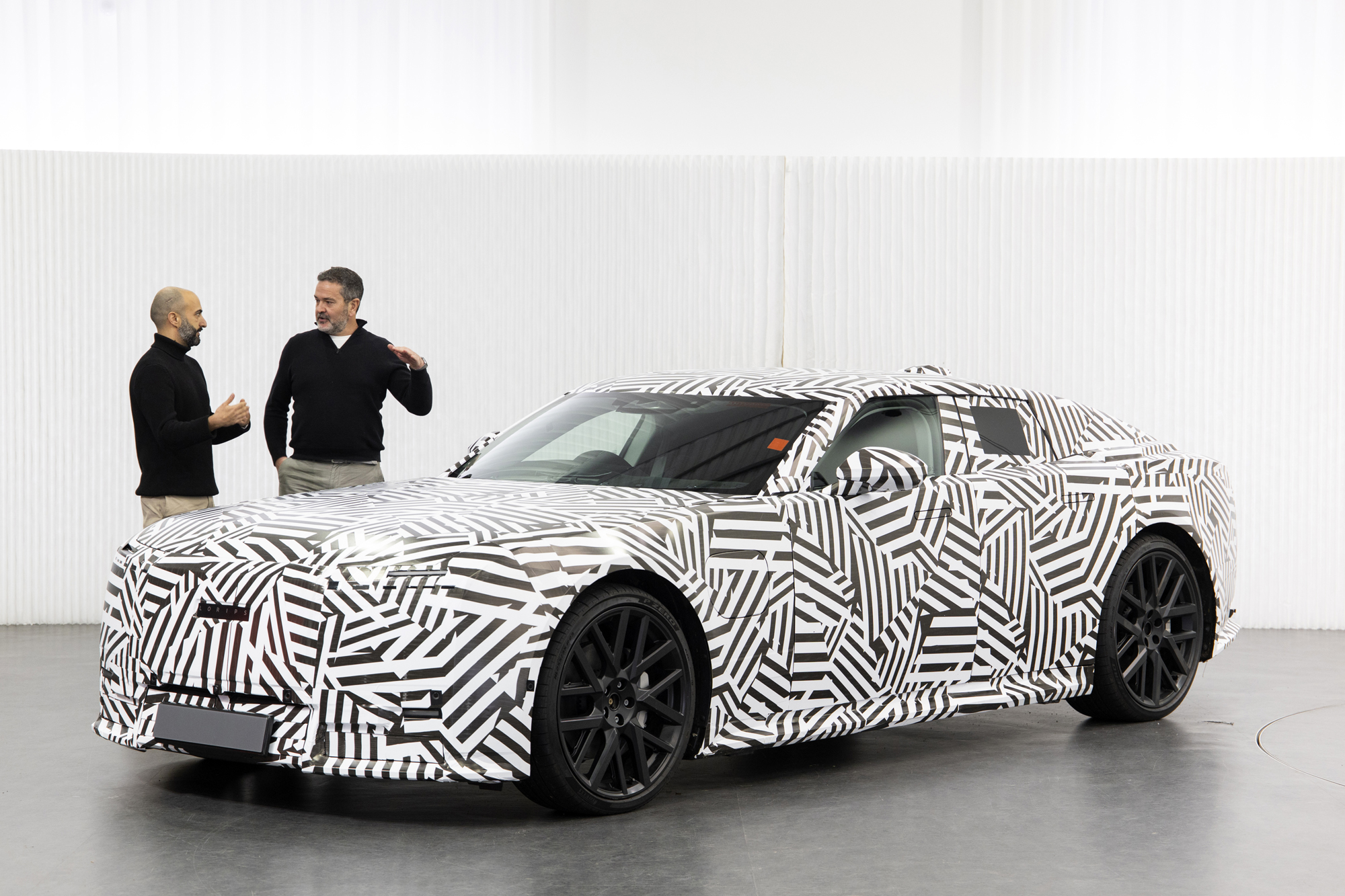
Tata’s decision to keep Jaguar alive was probably a borderline one even in 2020 when the reboot first kicked off. Between slowing EV adoption rates and the reaction to the relaunch, it must have been tempting to delay the project a few times before eventually canning it, citing changing market conditions, and allowing the Jaguar name to slide into abeyance as so many storied British marques have before.
But Tata hasn’t done that. The project is around a year behind the initial schedule, but out of sight of social media Jaguar’s small army of designers and engineers has been doing normal Jaguar things and diligently preparing an actual car you can buy and drive and judge on its own merits. Over 150 prototypes have been built so far, and as the ‘attribute development vehicles’ or ‘golden cars’ the two I’ve spent time with are the most important and valuable, carrying the latest iterations of every aspect of the car’s engineering, whether hardware or software. There’s work still to be done but the bosses plainly think the car is close enough to completion for me to report on the dynamics from the passenger seat.
Just as importantly, letting me get into one proves that the project is progressing, and is also a welcome chance to move JLR’s story on from the other, unrelated travails which have beset the group of late, such as the costliest cyberhack in British history, which stopped production for over a month and cost £2bn, and the abrupt and as-yet unexplained departure of former chief creative officer Gerry McGovern, who led the Jaguar reboot, whose design leadership has been central to Land Rover’s success and whose public profile eclipsed that of the various CEOs he nominally served under.
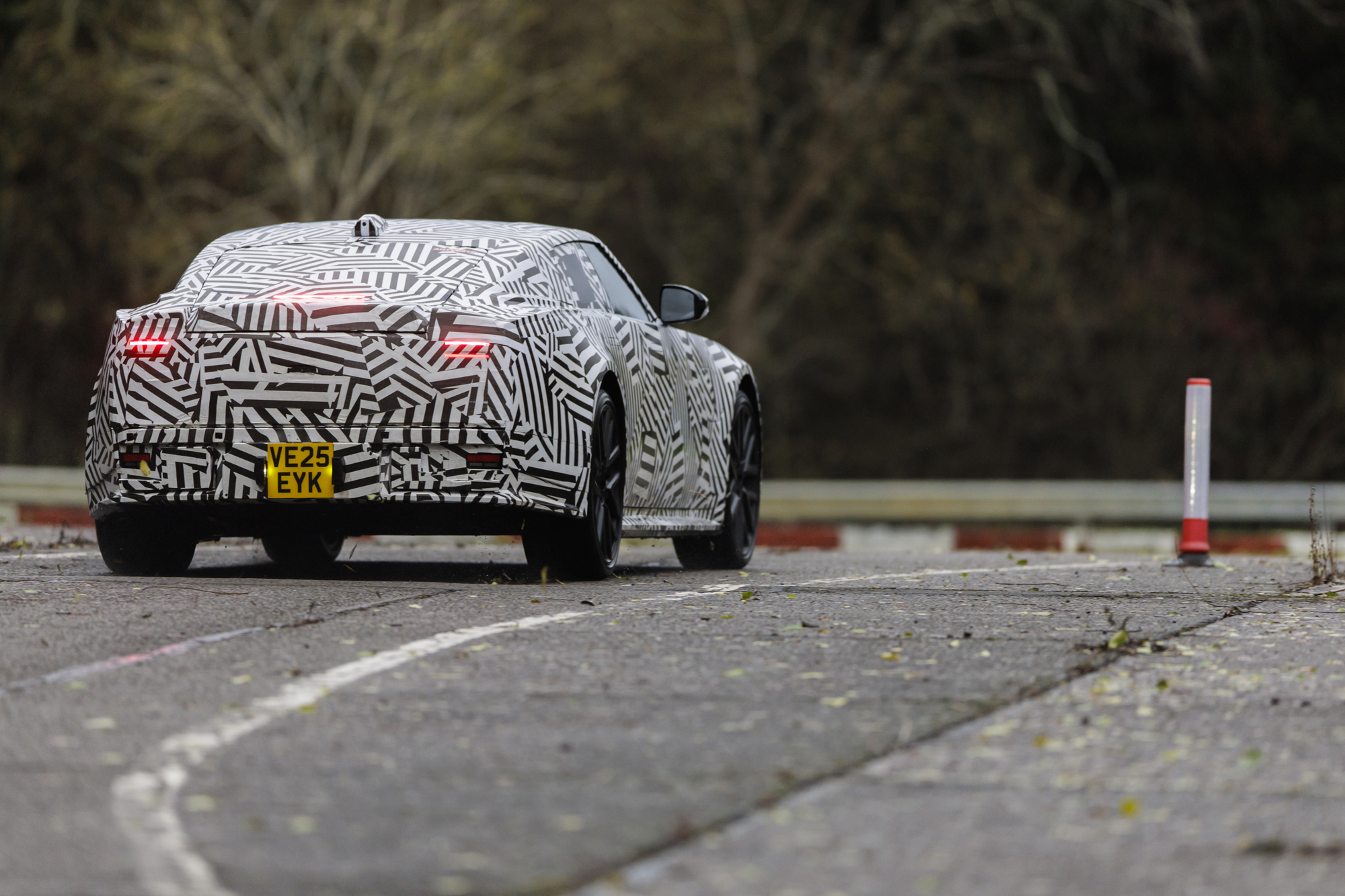
My ride around Gaydon takes place rather atmospherically in the dark, and it feels appropriate given the need to fade out a year’s worth of noise and just concentrate on what your backside tells you about the car.
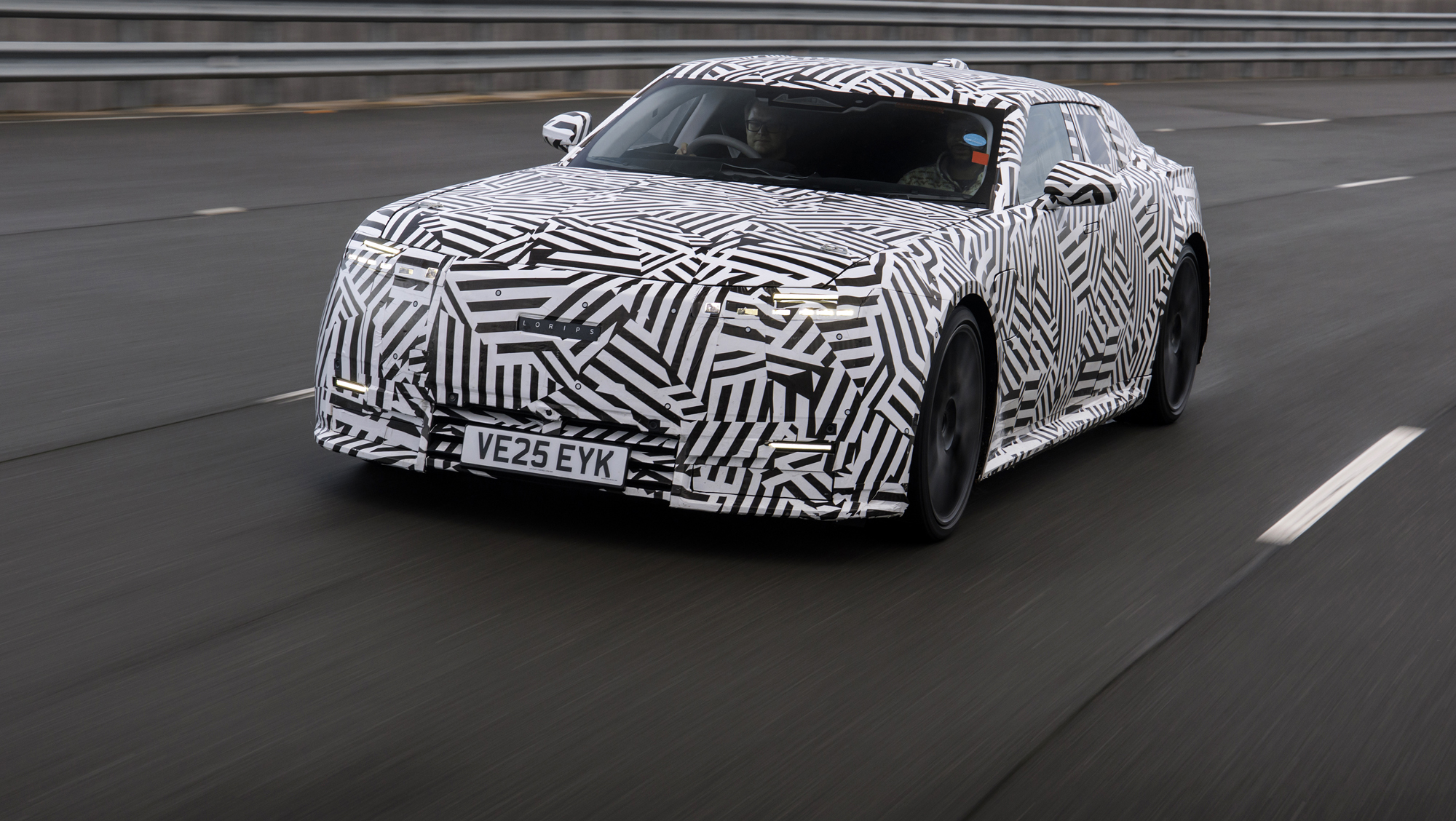
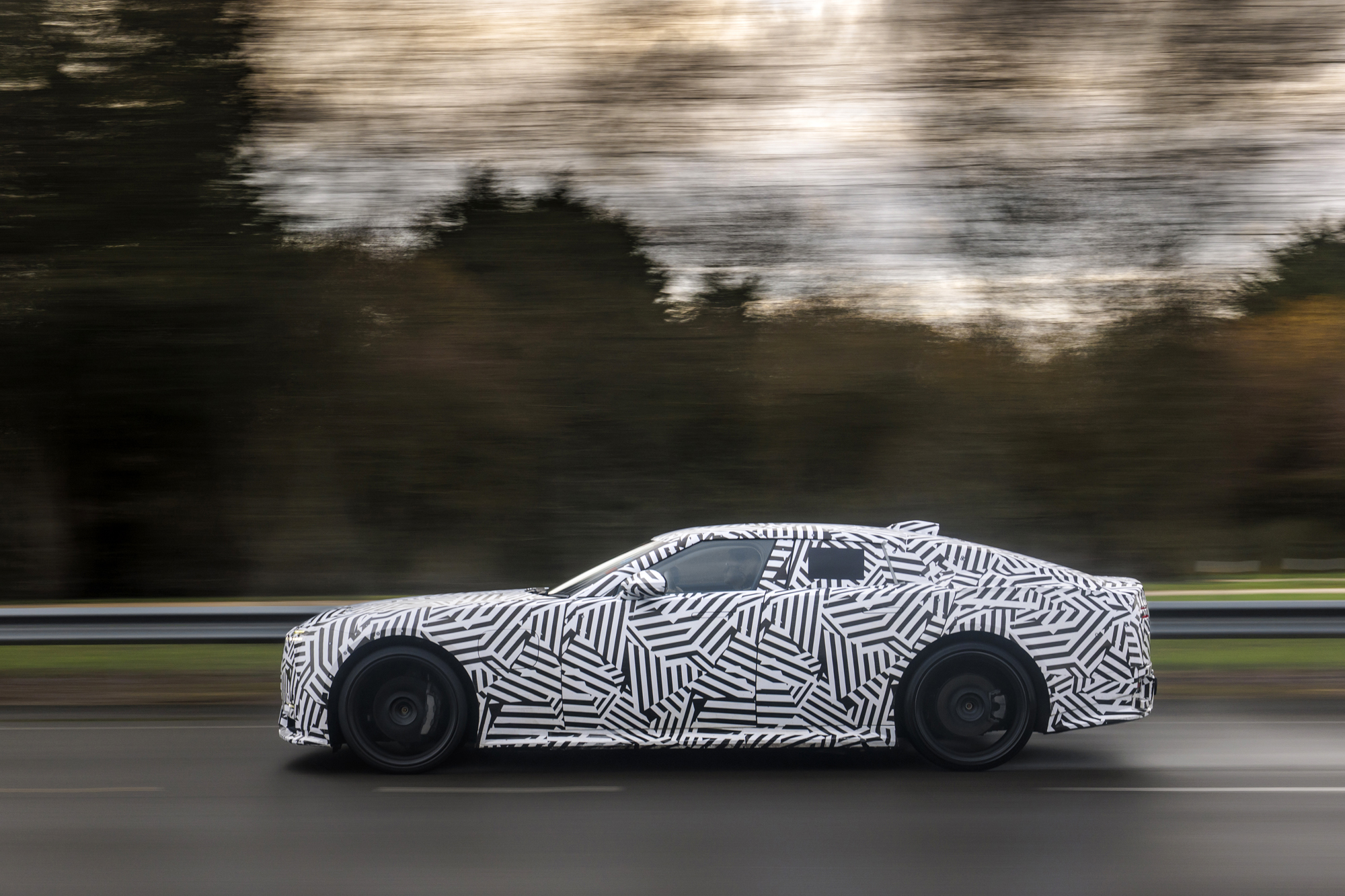
I can’t tell you much more about what the production car will look like, and not because of the gloom. This as-yet unnamed four-door grand tourer will be the first of a three-car range. The other two will be SUVs and doubtless will sell more, but the GT comes first because it shares its proportions most closely with the concept car, and helps to establish the clean break and fresh identity which Jaguar’s custodians felt it needed. The production GT’s design was frozen before the concept Type 00 was completed: you’ll see it undisguised next summer. Order books open then with the car priced at around £120,000 and first deliveries in early 2027.
Even with a camouflage wrap and blocks of additional material attached to the body to break up its most distinctive features, the GT is strikingly similar in stance and proportion to the two-door Type 00. That flat football field of a bonnet is the same and unlike anything else you can buy, and the massive 23-inch wheel and tyre combination is more than half the height of this low car, giving it incredible stance even in a world of over-wheeled cars. The interior is also well disguised but once you’re in – a process closer to entering a coupe than a saloon – it’s as striking to look out of as to look at. You sit low, with a high centre console which leaves you feeling cocooned but not claustrophobic. The windscreen is a little more restricted than in a saloon or SUV, but it affords a dramatic view out over the acres of hood.
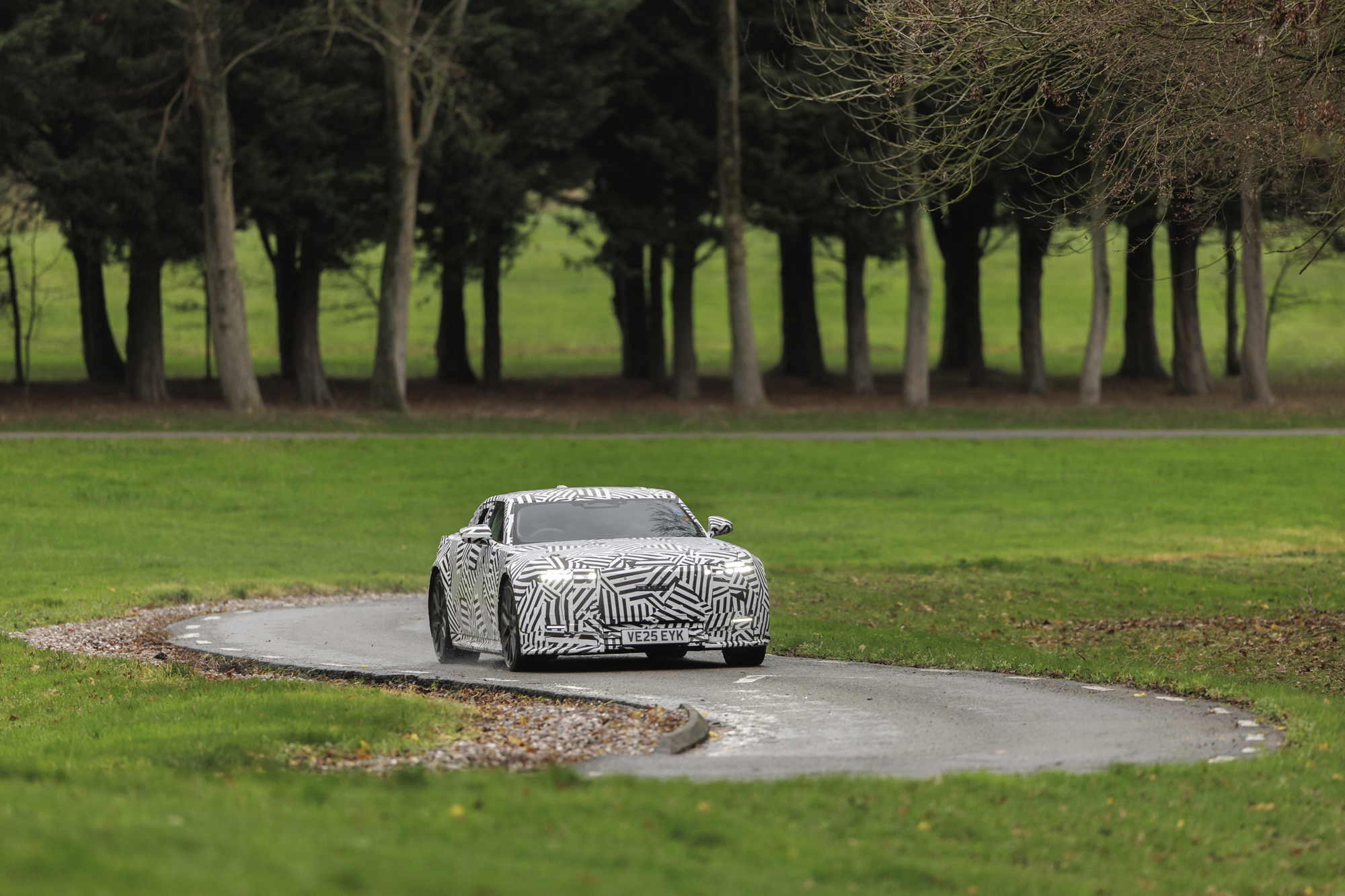
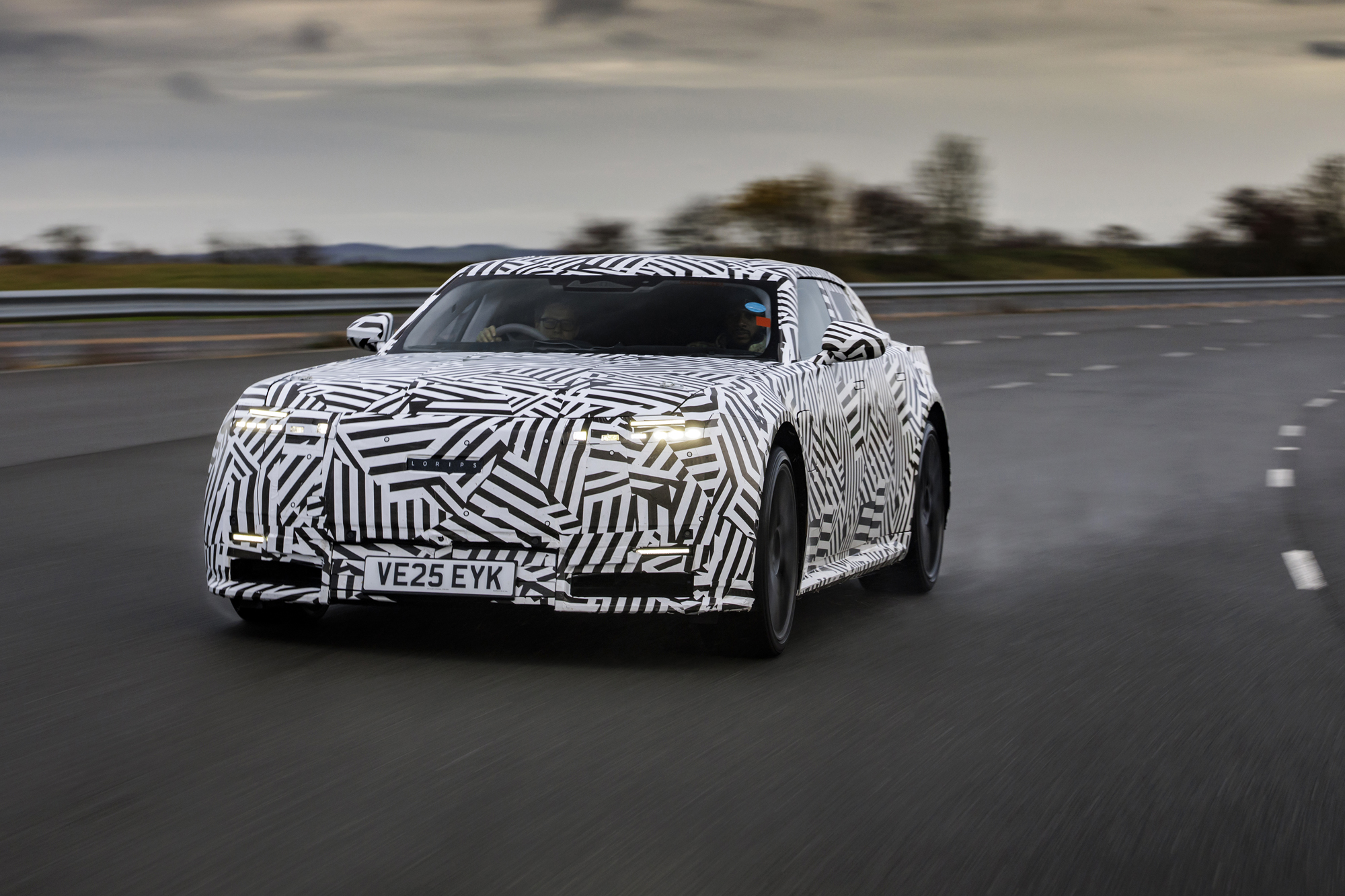
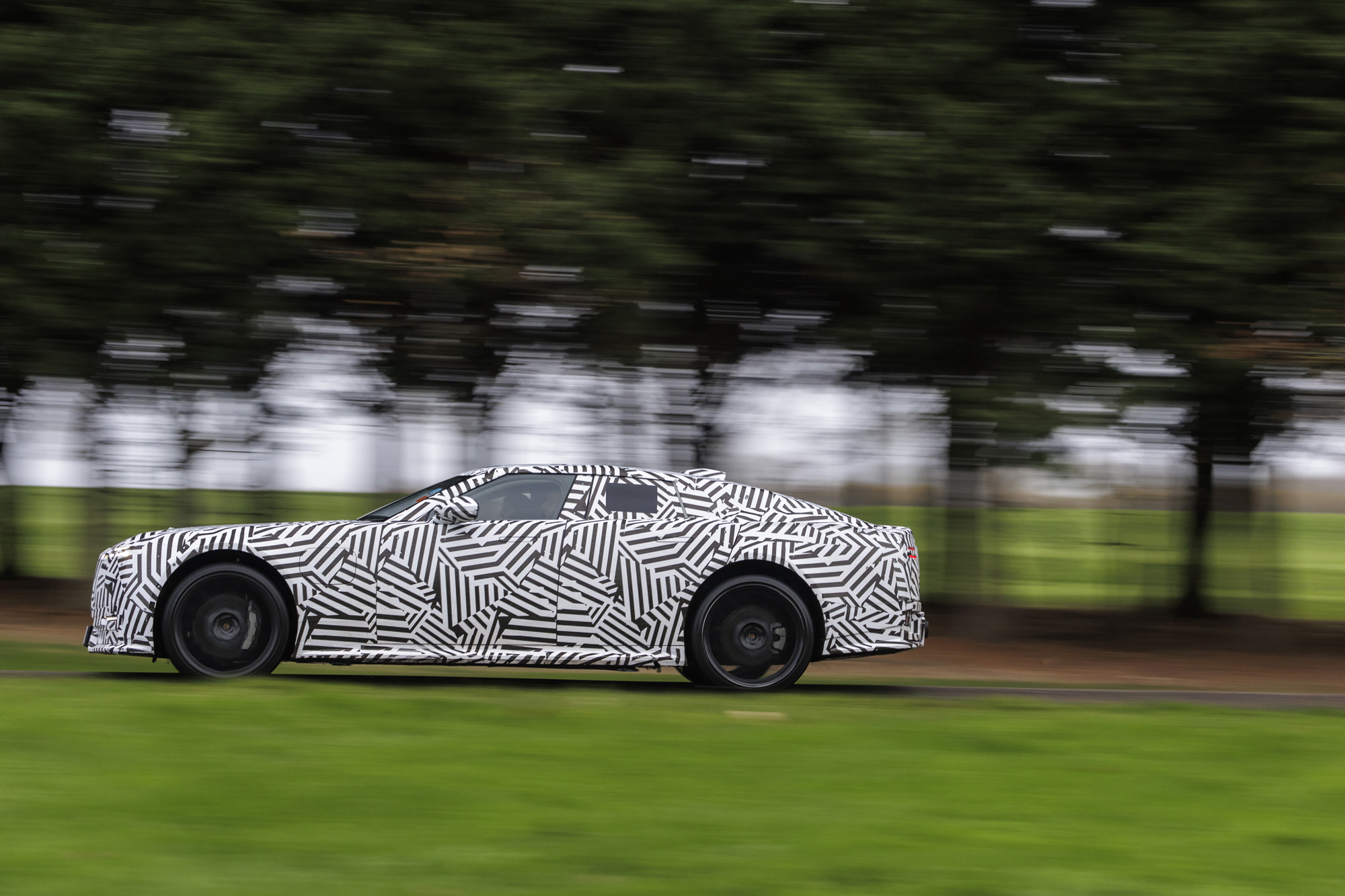
As we roll towards the track, vehicle engineering manager and test driver Navid Shamshiri tells me that they have consciously tried to echo the dynamics of the great Jaguar sports saloons, so perhaps not quite the dramatic divorce from its past which the rebrand seemed to promise. To me, from the passenger seat at least, this new Jaguar already feels like a Jaguar. It aces the first-50-yard test, the air suspension reacting softly and near-silently to poor surfaces at low speeds. Once on the track Nav pushes harder, and eventually very hard indeed. That impressive lack of noise or vibration remains all the way to 130mph and beyond. There is some deliberate, contained, engineered-in bodyroll but this big, heavy car never loses composure. It deals with every bump and hump with a single, well-damped movement, but without ever feeling harsh.
Nav says the steering has been tuned to be calm and measured rather than over-alert, but a combination of rear-steer and the low polar moment of inertia created by containing all the major masses inside that massive wheelbase means the GT still feels as if it pivots in the middle like a mid-engined sports car. The triple-motor layout helps too, the twin rear motors allowing proper torque vectoring and firing this 1000bhp car out of corners with massive urge and seemingly unbreakable traction but without the neck-snap of some equally powerful EVs: another deliberate choice to make this car feel more Jaguar.
Like the Rolls-Royce Spectre, the combination of overwhelming performance and eerie refinement means EV power feels right for the brand: the logical end point of where Jaguar was heading decades ago with its ever more powerful, more silken V12s.
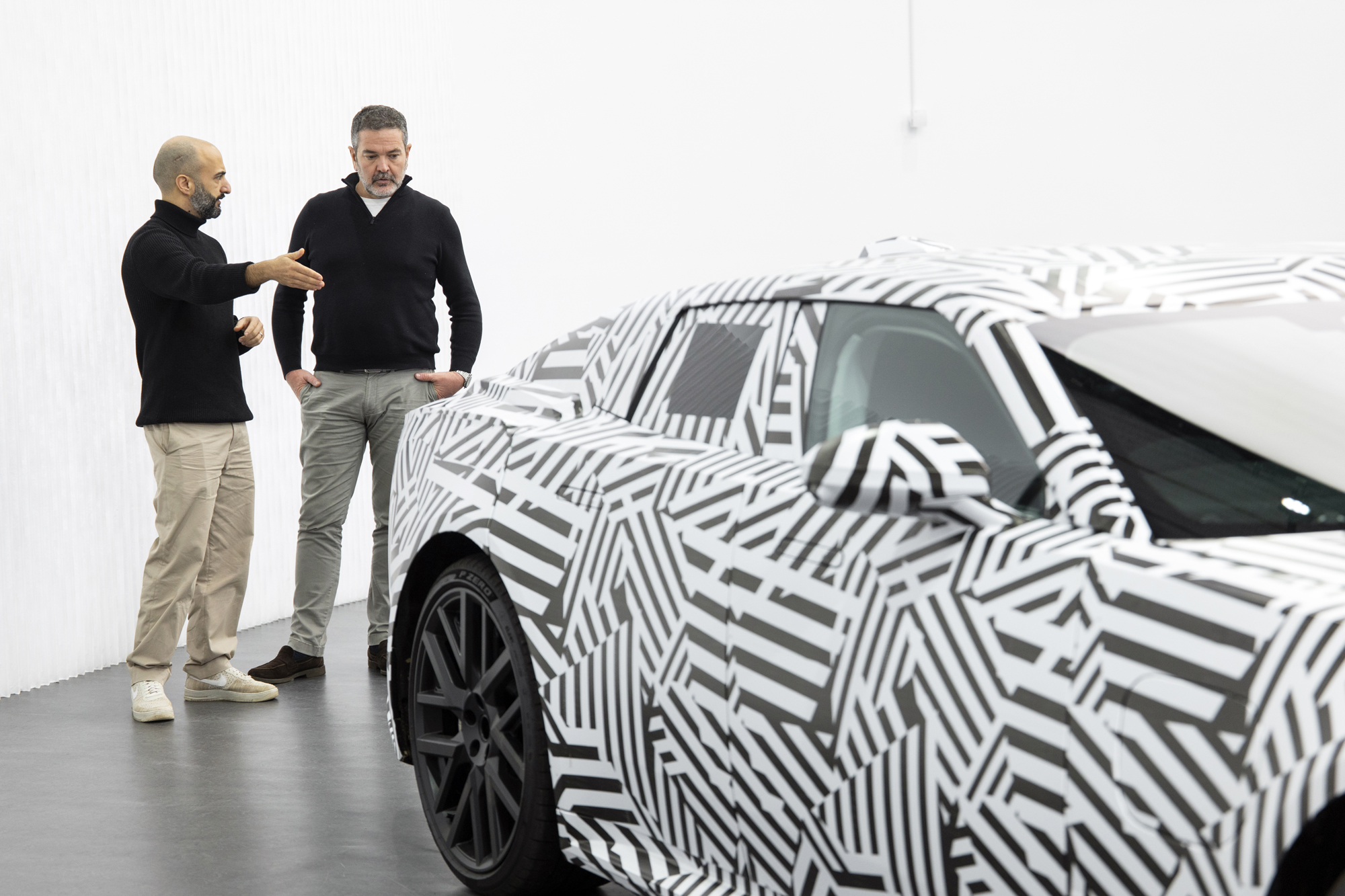
‘We’re getting into the dynamics of the car now because so far it’s all been about design,’ Rawdon Glover, Jaguar’s managing director tells me. ‘Design is really important for Jaguar, but equally important is the need to drive like a Jaguar. So we went back to our iconic driving cars of the past, and drove them again to understanding what made them great.
‘The EV powertrain has enabled us to design the car to look unlike anything else, but also to deliver that thousand horsepower in a way that we wouldn’t be able to with an internal combustion engine. The driving characteristics, the perfect 50-50 weight distribution, the centre of gravity: those are all huge advantages.’
He’ll need them. It’s his job to steer this car into production, and then to start selling them, and although this ride proves that the project is advancing, it’s also far from complete. ‘When has Jaguar been really successful?’ Glover asks. ‘When you’ve been able to access a level of either performance or visual differentiation or luxury akin to what you’re getting at a much, much higher price point. For me, that’s something else this car has in common with what Jaguar has done historically.’
A misjudged vision of the future nearly killed Jaguar, but a fresh take on what it did well in the past might just save it.