
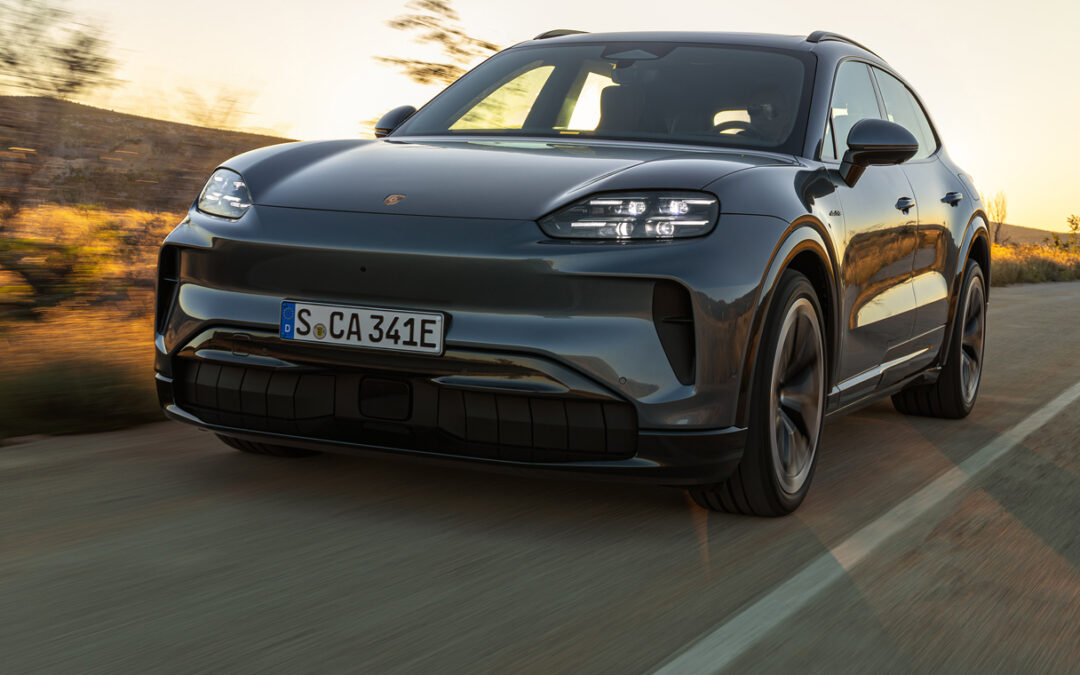
PORSCHE CAYENNE
Three things we love about Porsche’s new electric Cayenne SUV… and three we hate
We’ve poked, prodded and driven a prototype of Porsche’s new all-electric SUV. Here’s what we like… and don’t like
We love… the performance for the price
Groaning under the weight of expectation and innovative tech, the Cayenne Electric is here at last. And it is fast. It’s launching in two versions, the Cayenne Electric (436bhp) and the Cayenne Electric Turbo. The latter is nothing less than the most powerful production car Porsche has ever built, with a cool 1140bhp. That’s sufficient to fly from 0-62mph in just 2.5sec and on to a top speed of 162mph (pointless in most countries, but the Cayenne Turbo Electric is of course German, and Germany loves its de-restricted stretches of motorway).
And while EVs tend to be expensive (and make no mistake – this one is), the Cayenne Electric does at least offer more performance than the existing, combustion-engined version for less money. The standard Cayenne Electric will go on sale in 2026 from circa £83k (some £6k more than a base-spec current Cayenne), but the wildly powerful Turbo will be priced from £131k – roughly £9k less than a current Turbo E-Hybrid.
How does 1140bhp feel on the road? While most of the world’s population can only guess at that, at CAR we’ve driven a prototype, so we know. Porsche’s SUVs have long managed to feel more like Porsches than SUVs on the move, with sweet steering, wicked speed and buckets of grip, and the Cayenne Electric is no different.
The standard, non-Turbo car feels fast. Nimble, too, given its size and weight (and despite its wheelbase, which is vastly longer than the current car’s, in a slightly longer body). You feel the mass (a little over 2.5 tonnes, depending on version and spec) moving at times but it’s all very composed and benign, the nose tucking in with ease even when it feels like understeer is inevitable.
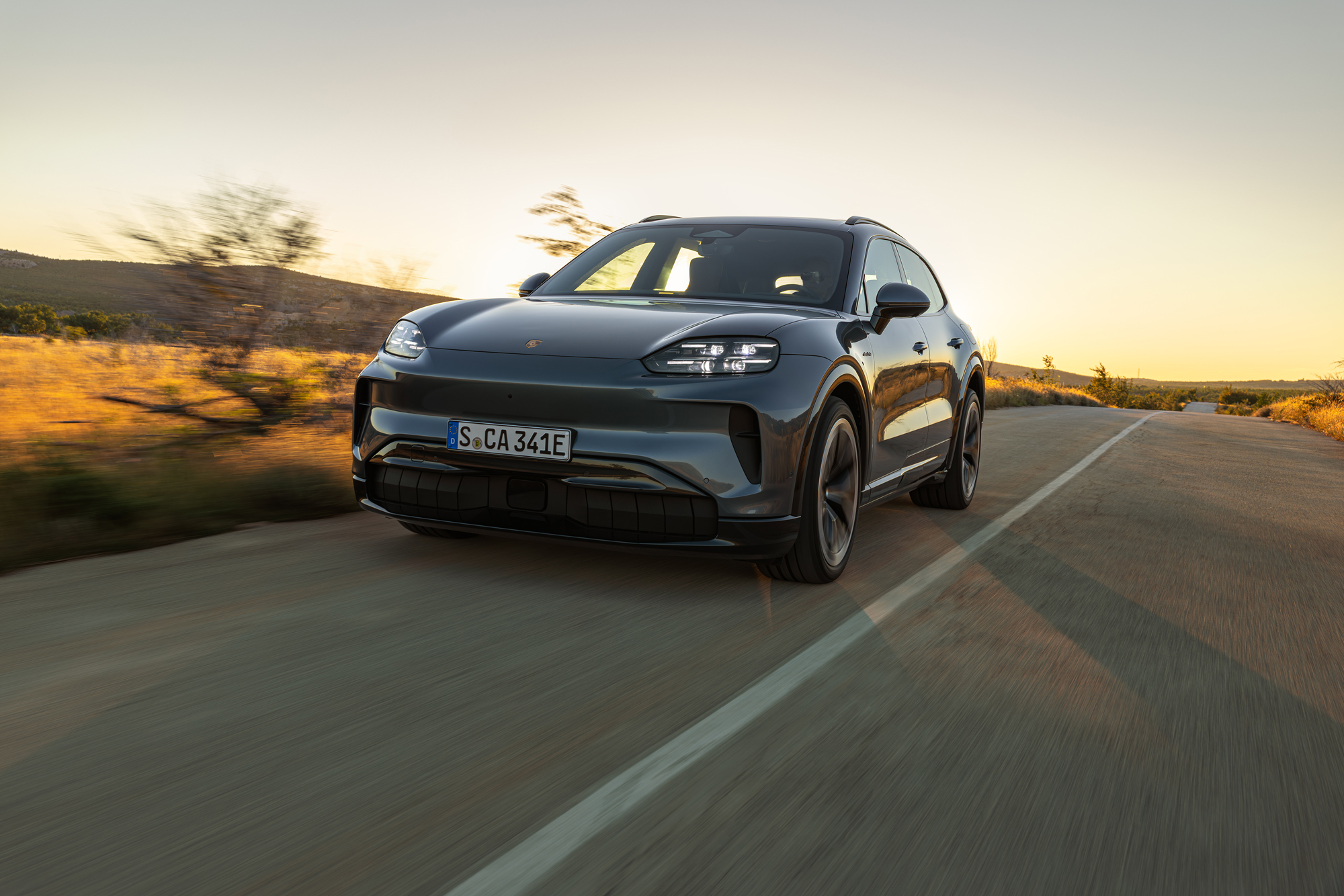
At no point do you really find yourself yearning for more go… And yet that’s precisely what the Turbo delivers. Pulling to a halt, I prime the systems for a launch control start… and then release the brake (while my right foot has the accelerator mashed into the carpet). My eyeballs deform a little, my breakfast pops up to say hi and suddenly Spain is streaking past the side windows at a quite terrifying rate.
‘We have three levels of power in the car: a certain amount on the pedal, more on the push-to-pass button, and then another little bit with launch control,’ explains Cayenne boss Michael Schätzle. ‘We had big discussions around how much power we put onto the pedal so that it’s usable to the customer – so that it’s not too much power for normal driving. We have a good compromise, I think.’
He’s not wrong. In normal use the Turbo makes 845bhp. With the push-to-pass button you’ll unlock another 174bhp for 10 seconds, taking that total to 1019bhp. However, it’s only when launch control is activated that you feel the full force of 1140bhp. Will you do it regularly? Of course not, but Porsche claims the hardware is up to it – if your constitution is.
While both versions of the Cayenne Electric get a liquid-cooled battery and standard all-wheel drive (with one electric motor on each axle; there’s no hyper-efficient rear-drive derivative as yet, unlike the Taycan line-up), the Turbo features direct oil cooling of the rear motor to keep temperatures down and performance repeatable.
Adjust to the speed and the Cayenne Electric Turbo is absolutely monstrous on the road, matching that straight-line speed with cohesive, stable and yet agile handling. It breeds confidence right off the bat, putting you at ease with the kind of power you used to have to be an F1 driver to experience.
Interestingly, the Cayenne doesn’t use a Taycan-style two-speed rear gearbox. No need, reckons Schätzle, given the monster rear motor (which is bespoke to this platform and not shared with the Macan). ‘We save weight without the gearbox, and we don’t need it because the motors are so powerful. We’re slipping the tyres up to 40mph [without a lower ratio]… We don’t need any more acceleration than that.’
He’s got a point.
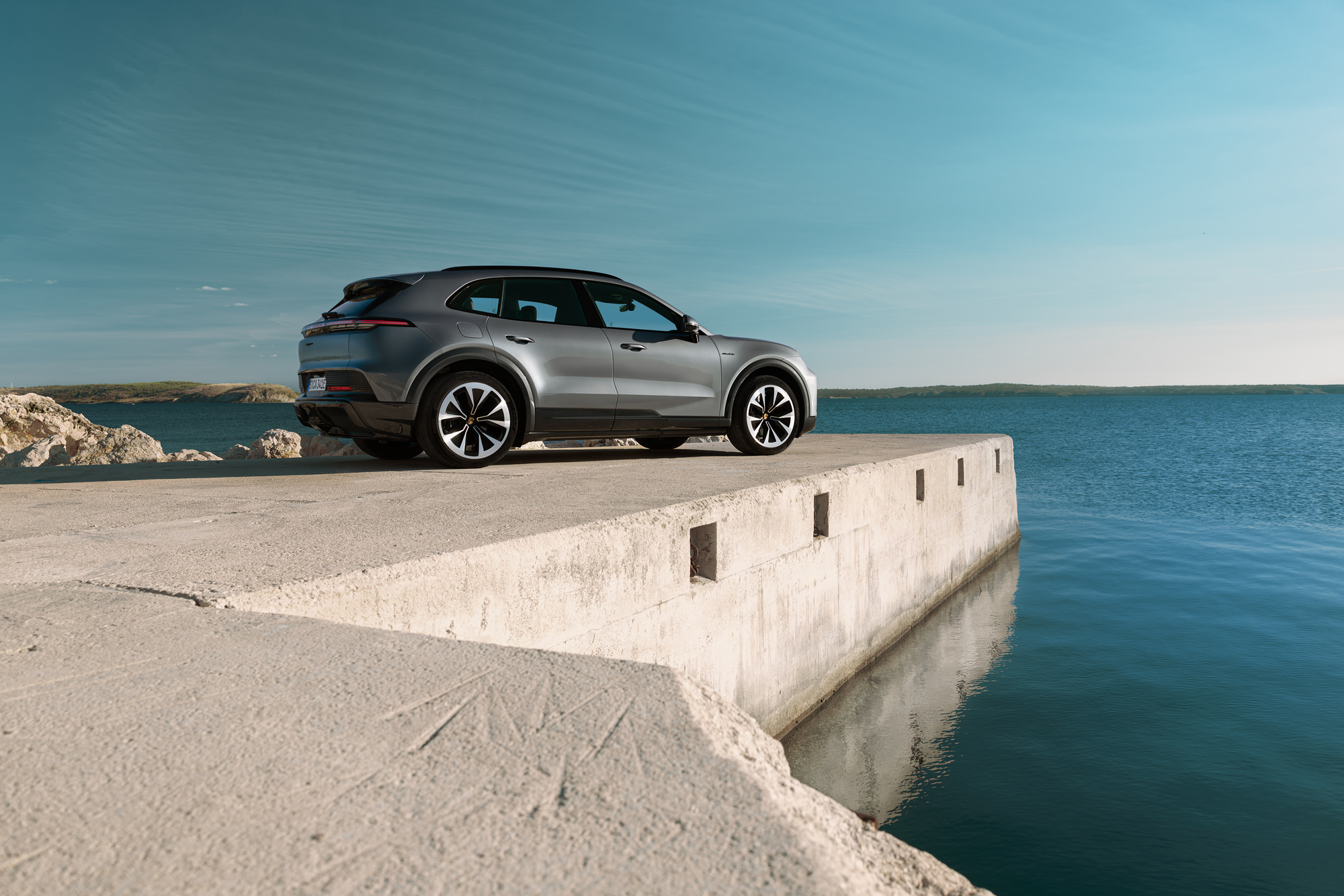
We love… the combo of sports car handling and limo comfort
Given the above, you might expect the Cayenne Electric to be stiff and bouncy, like a sports car. But no, and that’s as it should be – most Cayennes are used as luxury family transport, and with good reason. As impressive as its sheer performance is the bandwidth Porsche has engineered into the new car’s chassis. It can hang with sports cars in the canyons and yet waft with the best of them on the interstate/motorway/highway (delete as appropriate).
As you might imagine, given its flagship status, the Cayenne Electric has access to every chassis system in the Porsche arsenal, including carbon-ceramic brakes (optional), standard adaptive air suspension with Porsche Active Suspension Management (PASM) and a bunch of other optional hardware, including rear-wheel steering (capable of steering the rear wheels by up to 5º, to make the car both more stable at speed and more manoeuvrable when parking), Porsche Active Ride and, on the Turbo, Porsche Torque Vectoring Plus (PTV Plus) and a limited-slip rear differential.
All of this helps make the Cayenne feel agile on twisty roads while also giving it an almost embarrassing level of comfort on the boring stuff. Freeway driving is like gliding down the motorway on a 1000bhp pile of bubblewrap. Bumps, vibration, wind and road noise… none are invited. The level of refinement is spectacular and the cabin so quiet you can hear an M&M drop. The ride quality is sublime across the board but hits a new high in the cars equipped with Active Ride Control (a system that replaces mechanical anti-roll bars with high-pressure, fast-acting hydraulics). Even ridged, cracked concrete is smothered, and regardless of setting.
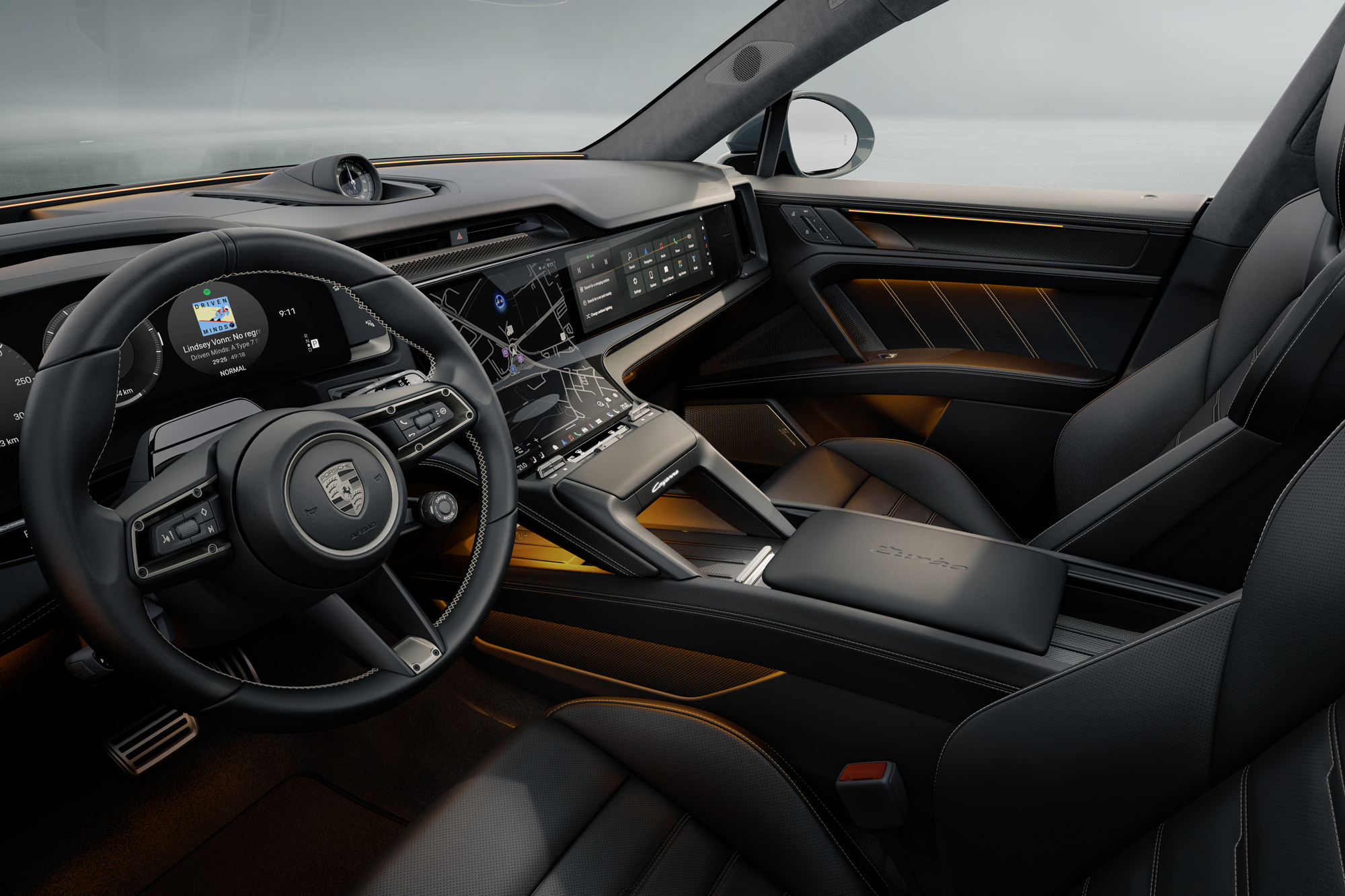
We love… the tech
With its price point and status, the Cayenne’s long been a tech flagship for Porsche, and so it is here.
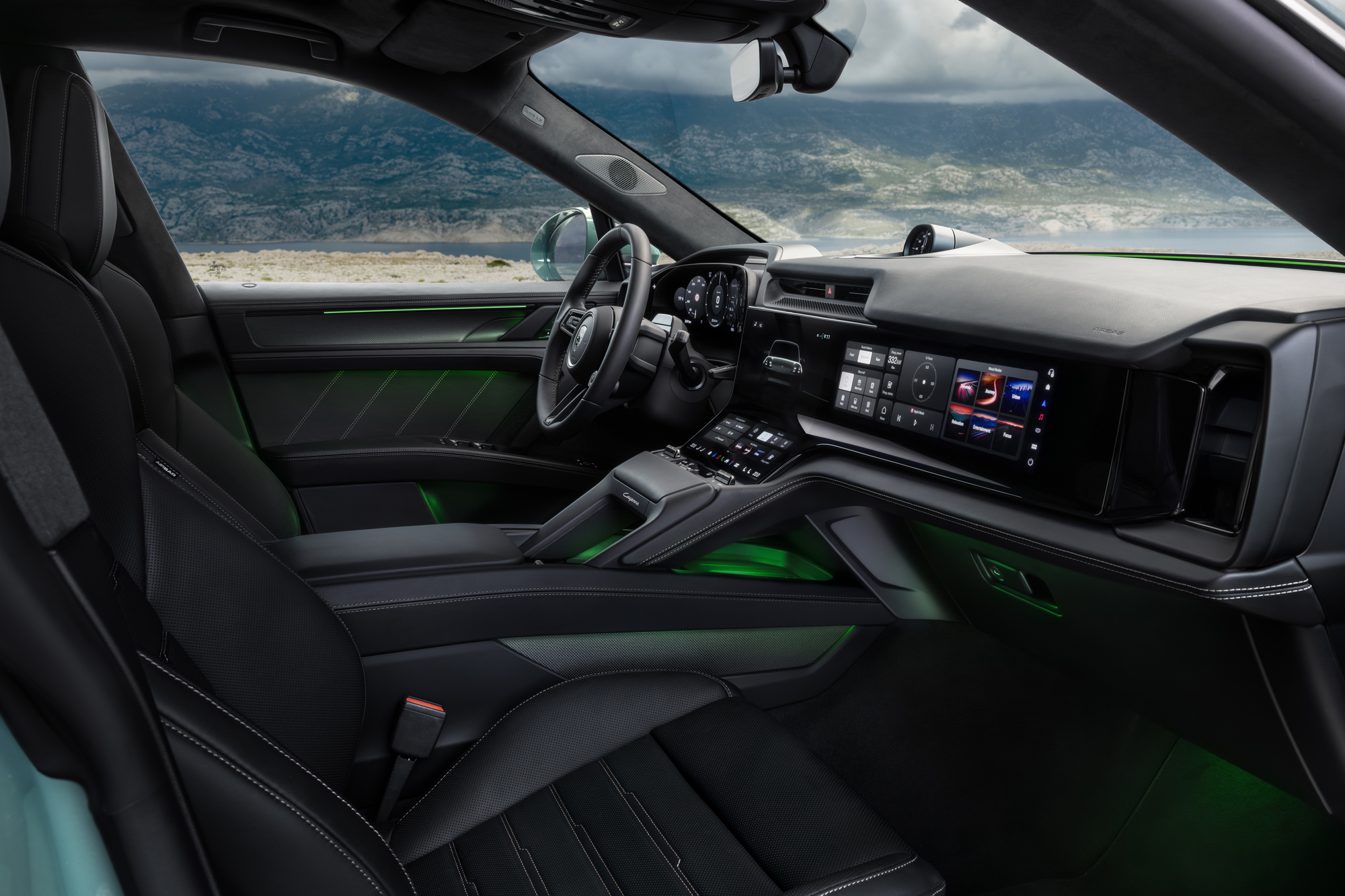
Climb in and you can’t miss the giant new multimedia touchscreen, though Porsche has at least gone its own way here (and retained physical controls for volume and climate, crucially). A large curving OLED panel, ‘Flow Display’ integrates into the architecture of the cabin beautifully and instantly makes the current Cayenne’s interface feel tiny.
The operating system is slick, with customised widgets along the lower part of the screen, while the rest is dedicated to nav, Apple CarPlay and other primary functions. There’s also new AI-assisted Voice Pilot, which is claimed to be more accurate and day-to-day usable than previous systems, and ‘panel heating’, which ups the luxury in cold weather by warming great swathes of the interior’s primary surfaces, as well as the seats and steering wheel. The head-up display, too, is a step forward over the current system.
But the really clever stuff is going on in the powertrain and its charging hardware. The Cayenne Electric’s platform uses the VW Group’s familiar PPE codename, which suggests it’s shared with the Macan and its Audi equivalent, the Q6 e-Tron. But it really isn’t.
‘We have a new platform, PPE41C, and it’s owned by Porsche,’ explains model boss Schätzle. ‘It’s our platform and if someone in the Group wants to use it [we’re looking at you, Lamborghini and Bentley] they have to buy it from Porsche. We started with the joint platform, but the changes are so big that this is now our own platform, with new motors and a new battery. At the moment, it’s the most powerful platform in the Group.’
That battery is a 113kWh monster with an 800-volt architecture. That means up to 400kW DC charging and the ability to charge 10-80 per cent in less than 16 minutes, assuming ideal conditions and a suitably juicy charger. AC charging is currently capped at 11kW, however 22kW will be available in due course. The official range figures are 399 miles for the Cayenne Electric and 387 miles for the Turbo.
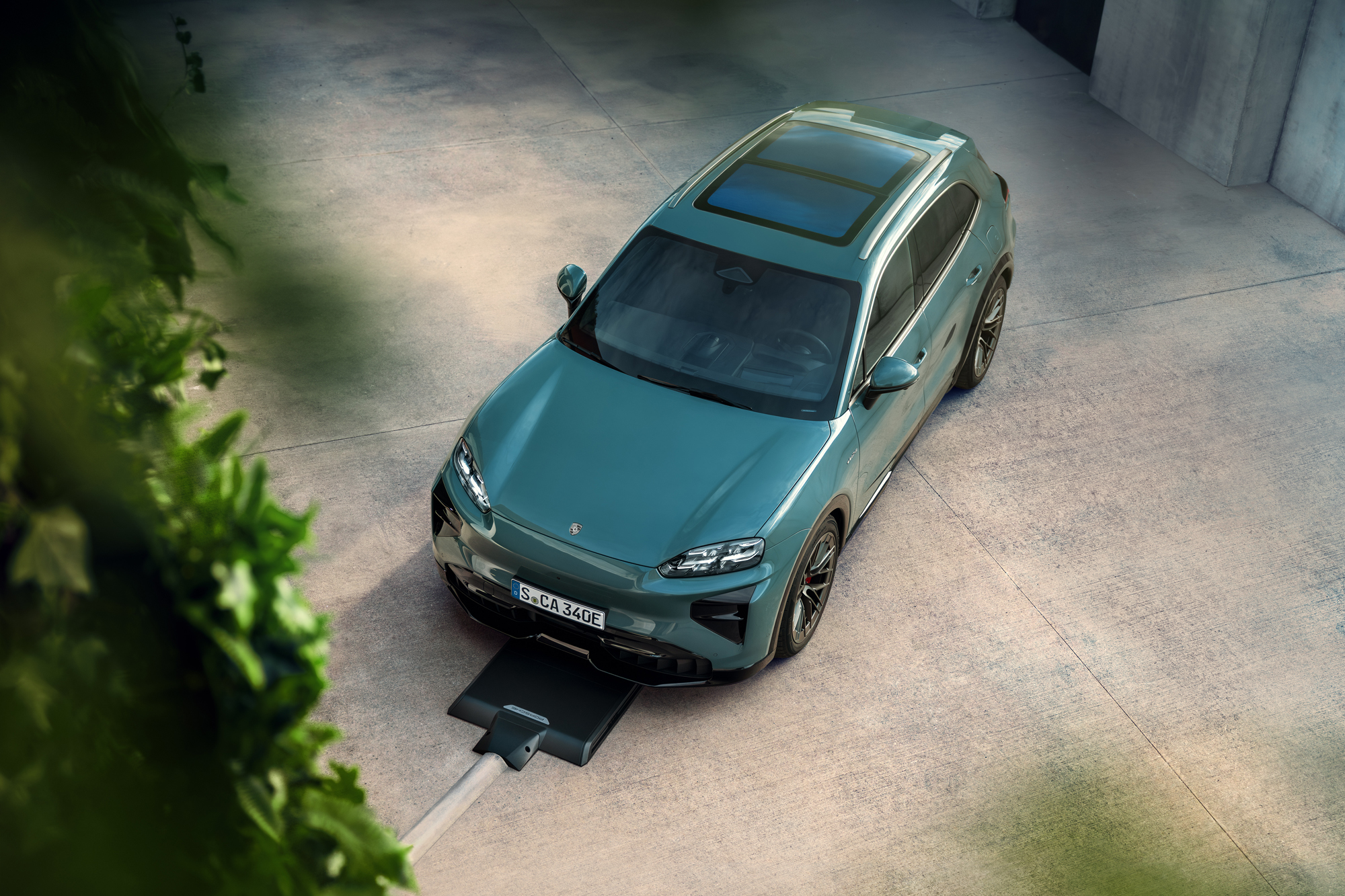
Porsche is also set to offer the Cayenne with wireless charging – just pull into your chic, modernist garage and the pad on the floor will do the rest; no cables, no hassle. All UK cars will be fitted with the preparation as standard, but you still need to tick the boxes for additional hardware (and software) to unlock the feature.
We hate… that it doesn’t have an engine
We get it: this is not the end. Porsche knows there are plenty of buyers who’ll miss the character (and fast refuelling) the Cayenne’s great engines brought to the experience. Conscious that EV adoption is less reliable than a pre-election manifesto promise, and that great swathes of the global population would much rather fill-up on fuel than try to find a charger, the existing Cayenne will remain on sale alongside the all-electric one, albeit heavily updated.
But the fact is that the all-new Cayenne – the one into which Porsche has poured everything it knows and has learnt in recent years – doesn’t come with an engine. On the one hand that’s good. Compromise cars – those designed to accept just about any powertrain, from old-school petrol through hybrid to all-electric – are inevitably just that: compromised. But we’re going to miss how incredibly close the old V8 Cayenne GTS got to feeling, if not like sports car, then at least to some sort of fast, fun and faintly over-sized hot hatch.
With its menacing exhaust note at idle, hairy-chested torque and fantastically rear-biased handling balance, that car – even after a few years on sale – makes the Range Rover Sport feels soulless, bulky and aloof. And as for the Cayenne Turbo E-Hybrid… Surely when it was perfecting the first mass-produced hybrid, the then-zeitgeisty Prius, Toyota had no clue as to the extremes some people would push the technology… A fuel-sipping saint one moment and a raging, oversteering sinner the next, the full-house hybrid was right up there with the ludicrous Turbo GT for the title of nuttiest Cayenne.
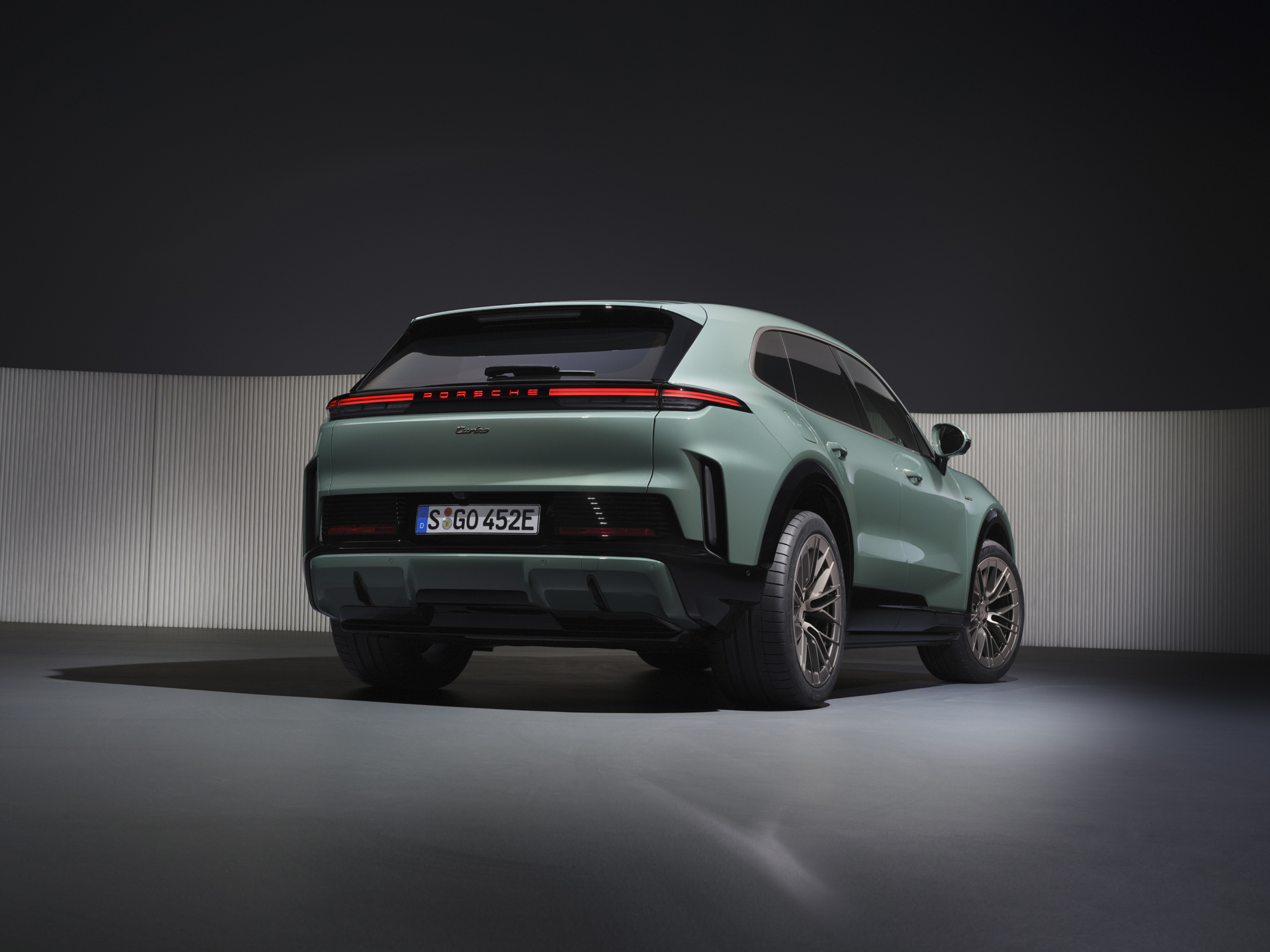
There will undoubtedly be a Cayenne Electric GTS in due course. Porsche does a GTS for every model it makes and, with a dollop more style and soul, they’re invariably the pick of the range. The GTS version of the Macan Electric just arrived. And perhaps it’s with the GTS Cayenne Electric that Porsche will deliver the synthetic gearshift technology we know it’s working on, though 2026’s electric Boxster and Cayman are the more obvious recipients.
‘We are always trying interesting things, and I think it [a system simulating a paddleshift on an EV powertrain] might be a good fit,’ says Cayenne head honcho Schätzle. ‘It’s really well done in the Hyundai [Ioniq 5 N]. We also tested it in the new Cayenne. Will we put it into series production? We’ll see.’
Drive the Hyundai system, dubbed N e-Shift, and it’s easy to see why Porsche felt compelled to explore the technology. On the road, the system goes a long way to replacing the fun and sense of engagement going electric often loses, its synthesised engine sound, physical shift sensation and deftly modelled power curves lending the car more grit and character that it’d have otherwise.
‘The Cayenne Electric’s V8-inspired sound – you might describe that as a gimmick,’ explains Sascha Niesen, Cayenne verification and validation manager. ‘So we arranged a demonstration for the board. Going in, everyone was like, “It’s just going to sound artificial and weird.” Then, when they drove it, they told us it felt really good. It’s the same with the gearshift in an EV.’
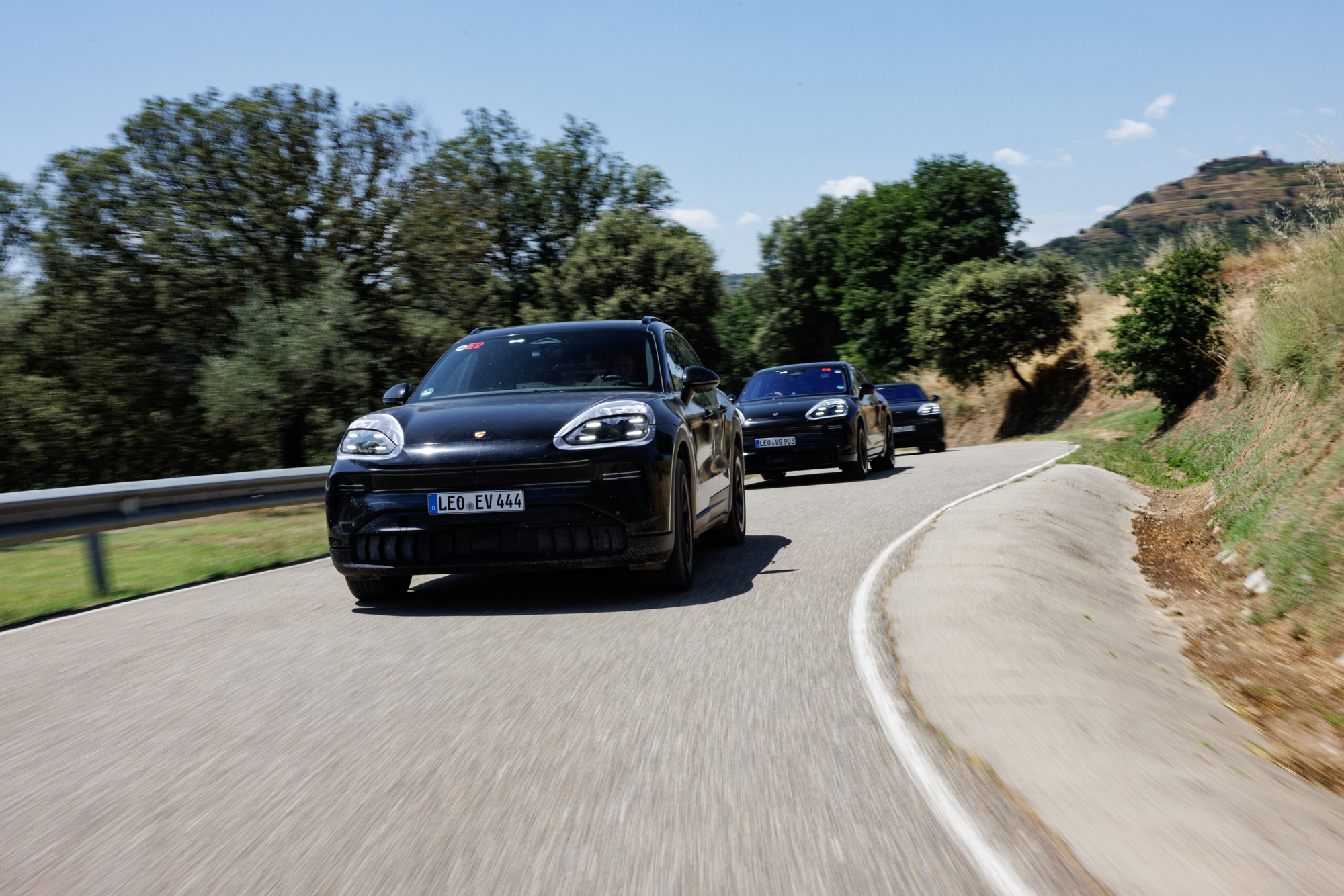
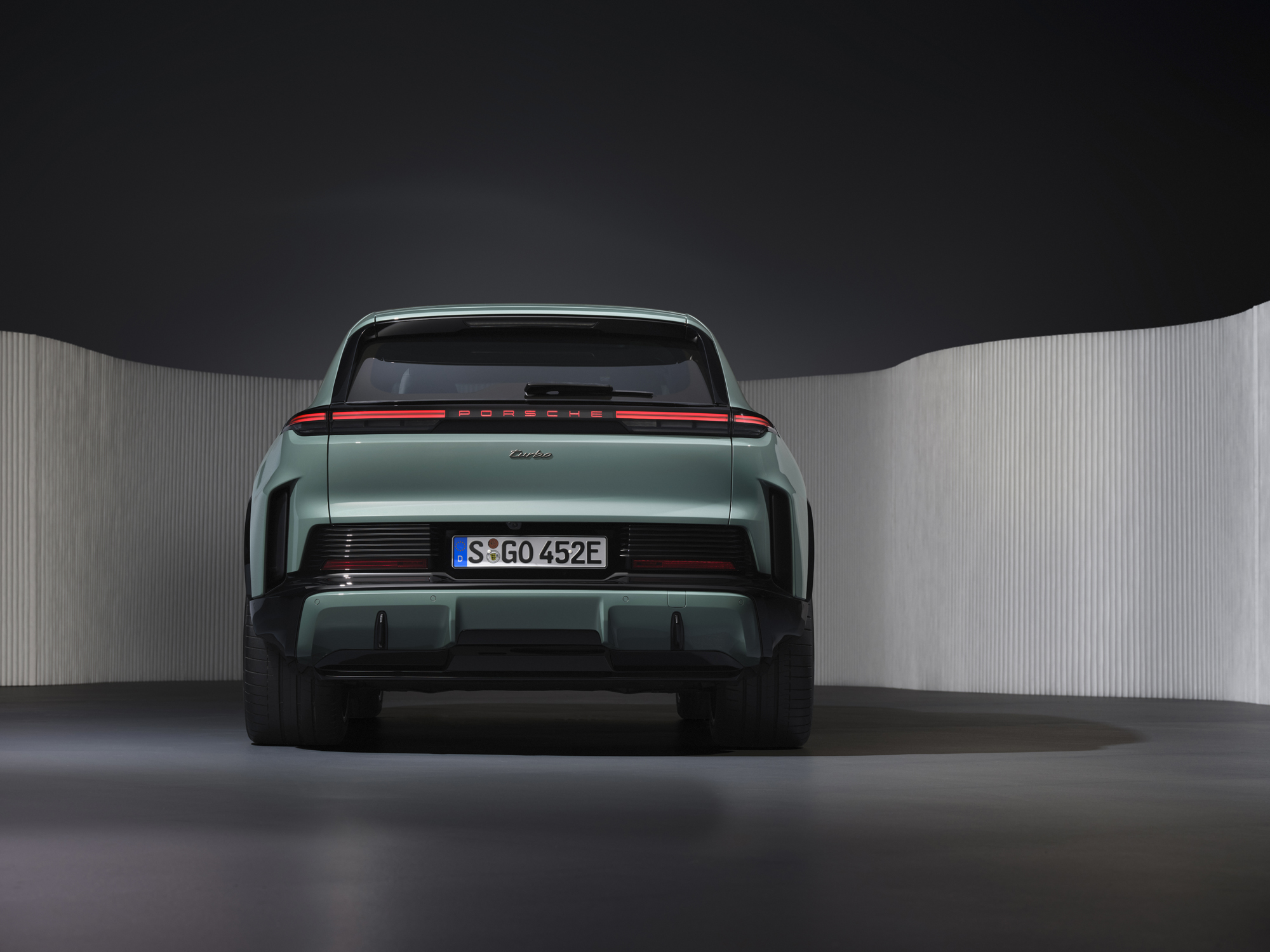
We hate… that it looks the same as the Macan Electric
Porsche is a huge fan of design evolution, rather than revolution, and mostly we’re onboard with that. Each new 911 looks a little fresher and smarter than the one before, ensuring every 911 since the first one – more than 60 years ago – looks like a 911.
But the new Cayenne Electric is a flagship. It’s a huge deal. The Cayenne sells some 100,000 cars a year in a market segment with a big old profit margin, making it Porsche’s single most important model. But from the front in particular, you’re going to struggle to tell it apart from the Macan Electric. That has to be deliberate, but it’s an odd strategy given the Cayenne’s status. Look at Land Rover. The Velar and the Range Rover Sport are recognisably Range Rovers. But you’d never confuse either with the real deal – the actual Range Rover. That is distinctive and distinguished, and deliberately a cut above. The same approach would have been appropriate here, surely.
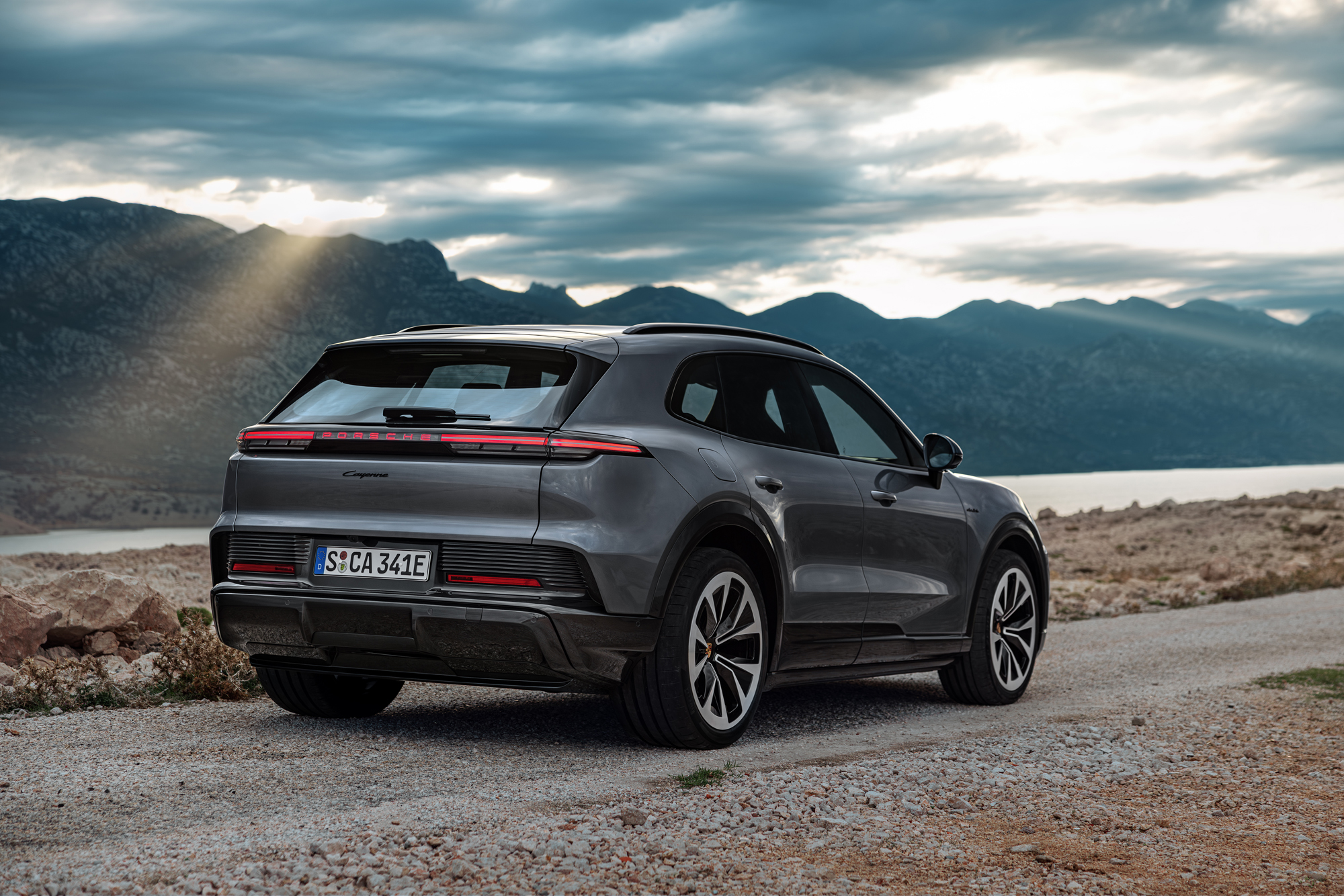
We hate… that creating it has nearly crippled Porsche
It’s no secret things aren’t great at Porsche. That’s the thing with being partially publicly owned; there are no secrets. It just lost nearly €1bn in three months – and that’s versus a profit of the same amount in the same quarter the previous year. Profits as of late 2025 are a scant €40m, compared with €4bn at the same point the previous year. The share price has plunged from a peak of €120 to around €45. Global sales are down six per cent – 26 per cent in formerly lucrative China. And around 3900 workers face losing their jobs
The way out of this? Like most other manufacturers, Porsche is having to continue developing combustion, hybrid and electric powertrains concurrently until customers and legislators decide what they want – a cripplingly expensive way to do business. This re-alignment means the new 718 sports cars, the Boxster and Cayman, won’t now be purely electric (halo models will get engines), the petrol Macan will return (that model went all-electric a couple of years ago) and the Cayenne will effectively be two cars going forward: the new Electric and an upgraded version of the current car with petrol and hybrid power. How much is all this costing? The bill for the changes of plan is thought to be in the region of €3.1bn, with more to come. The Cayenne Electric really needs to sell, and sell well.