
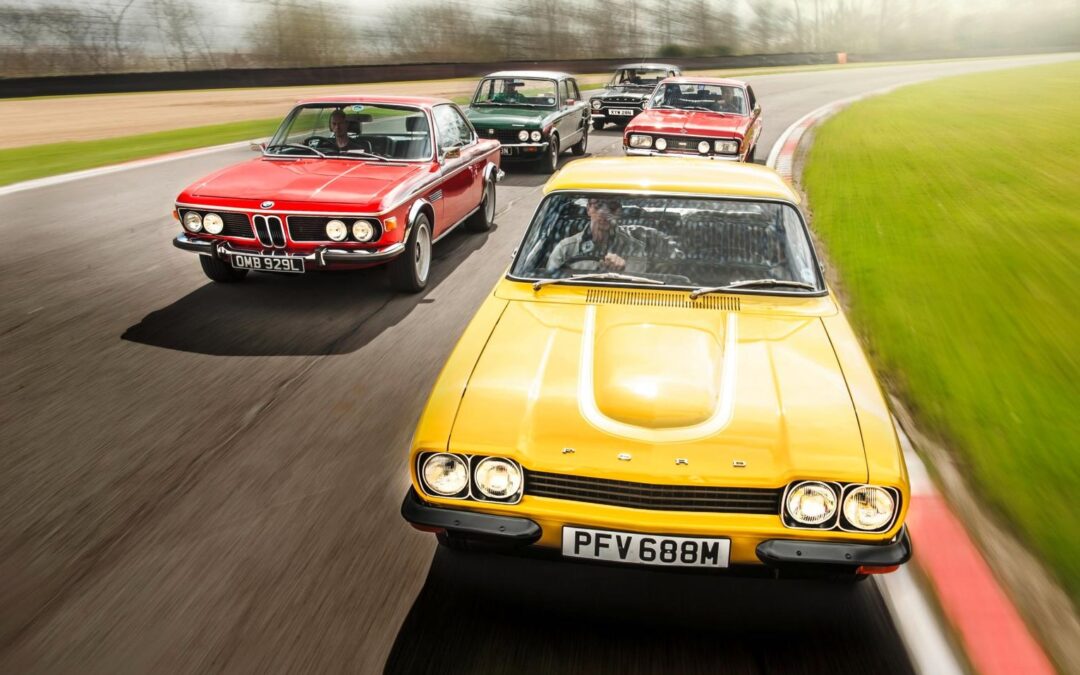
SPLASH IT ALL OVER!
From the decade of Brut 33 and lairy touring-car-inspired roadburners we get fast and loose with the best
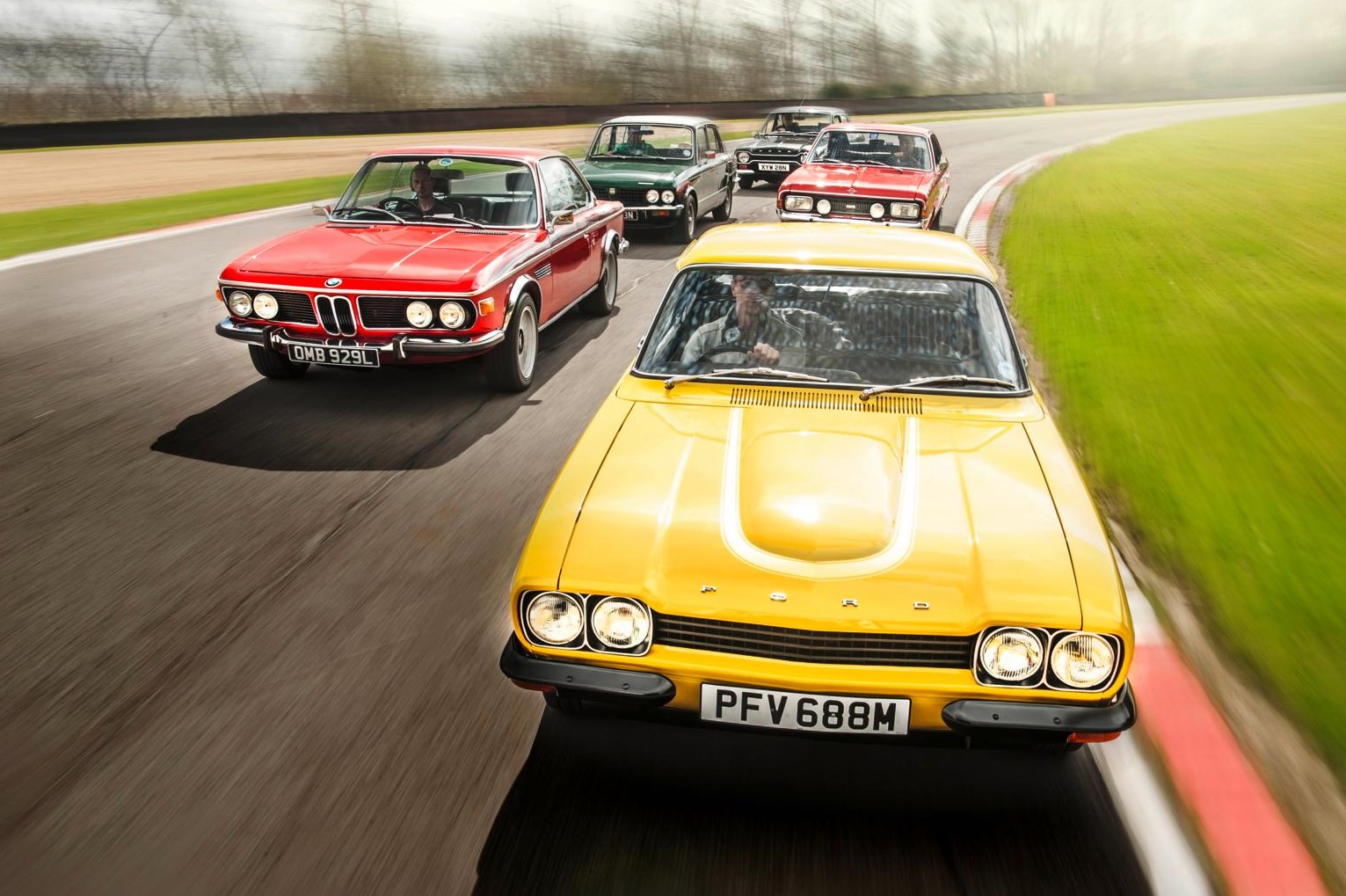
Clockwise from bottom right – Ford Capri RS3100, BMW 3.0 CSL, Triumph Dolomite Sprint, Ford Escort RS2000, Opel Commodore GS/E.
As the European Touring Car world moved into a brave new decade, the old-fashioned notion of taking stock dealer cars and giving them a bit of a tweak before heading trackside hadn’t just subsided, it had been obliterated.
The new trend for muscular wheelarches, aerodynamic appendages and ever-widening rubber meant tin-tops adopted appearances of track warriors readying themselves for battle, while only nominally resembling the cars that we could buy.
Under the skin this increased exponentially as an engineering space-race transformed their respective semi-humble origins into potent portents of mechanical doom, with fearsome power outputs that the previous generation of gentlemen racers could only have dreamed of.
Yet cars are products of their time and, as the world lurched from fuel shortage to full-on industrial crisis and global unrest, both works teams and privateers would have to ride a wild zeitgeist, one that crushed dreams yet brought opportunity in equal measure.
Now it’s our turn to return to that tumultuous time, as we take the roadgoing versions of five of the era’s finest competitors for a play at Brands Hatch. Motor sport fans could be forgiven for recalling only two tribes going to war, and yes the big boys are here with the 3.0 BMW CSL squaring up to the Ford RS3100 once more, but to that add Ford Escort MkI, Opel Commodore and Triumph Dolomite Sprint, as our quintet play for the ultimate prize.
Ford Capri RS3100
The Blue Oval’s ‘European Mustang’ was never meant to go racing. As a study in fashion, if not precision engineering, the Ford Capri MkI did exactly what it set out to do and conquered the hearts of everyman drivers. Engineers though, and especially those of a motor sport bent, just can’t help themselves; surely that chassis – a fusion of Cortina MkII/Corsair and Escort design ideas – had potential?
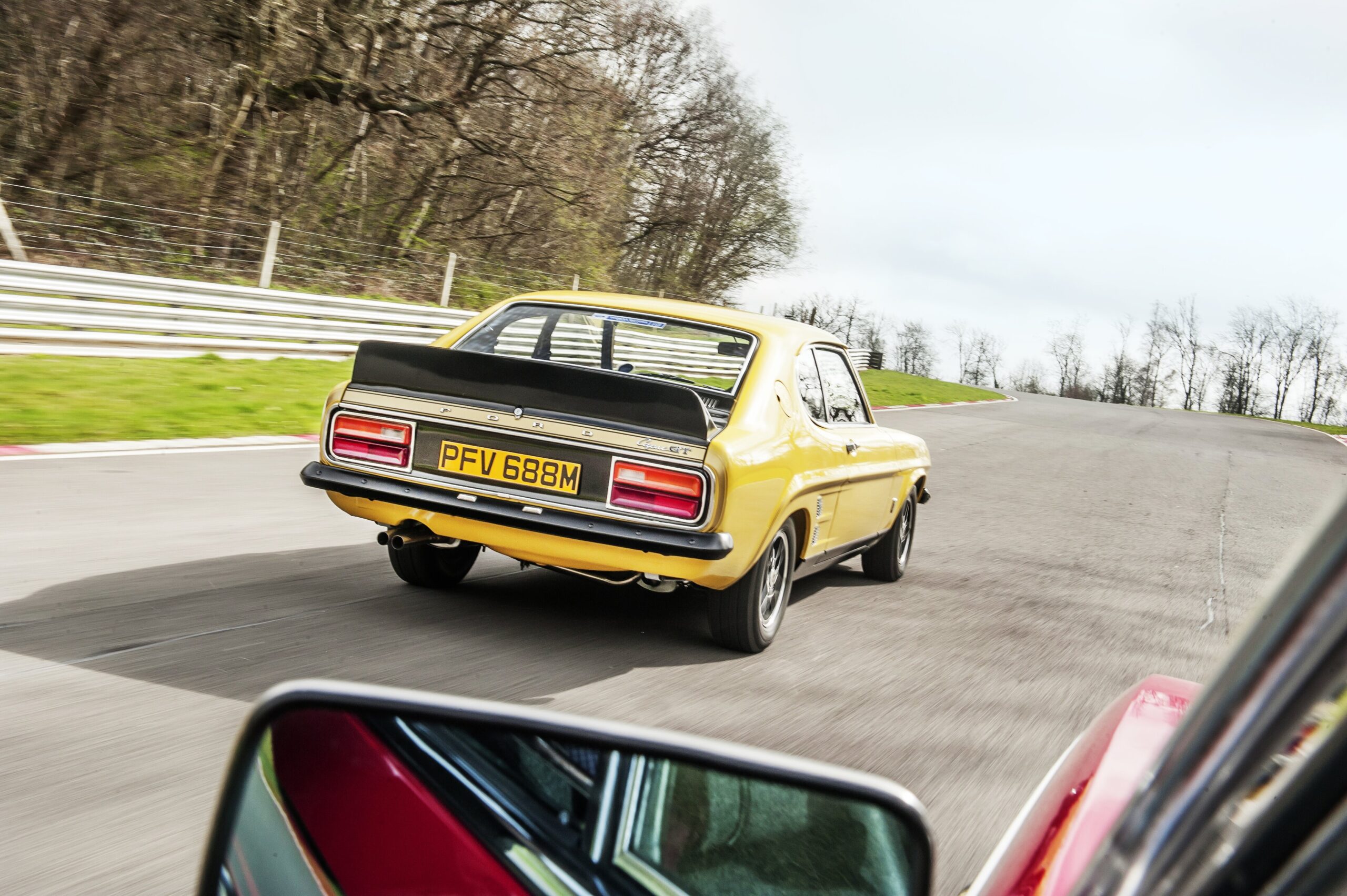
Mammoth ducktail spoiler channels racetrack vibes straight to the road.
Cue the RS2600, the first Capri homologation special. Despite being a joint venture of the Advanced Vehicle Operation at Aveley and Ford-Germany, because of the isolationist nature of production – German Capris made in Germany with German engines, with the opposite true for British versions – it was only ever destined to be left-hand drive and for mainland Europe. The fuel-injected 2.7-litre Cologne V6 produced a spirited 150bhp, while the chassis sported lowered suspension, Bilstein dampers and single-leaf rear springs.
Amazingly its two-door coupé body and cramped interior, by way of some pretty Jackanory jiggery-pokery, was passed off as a genuine four-seater – Group 2 saloon car racing, here we come. Its impact was immediate. The new Weslake-tuned lightweight racers stormed through the 1971 European Touring Car Championship season, destroying the field, with Dieter Glemser securing the Drivers’ Championship. The following year Jochen Mass repeated the trick, but there would be no duplication in 1973, because the arrival of arch rival BMW’s bewinged 3.0 CSL ‘Batmobiles’ proved virtually unbeatable. The direct result of Munich’s intervention this time prompted a decidedly British response, and today we’re driving the result – Wayne Jeffs’ stunning Daytona Yellow RS3100.
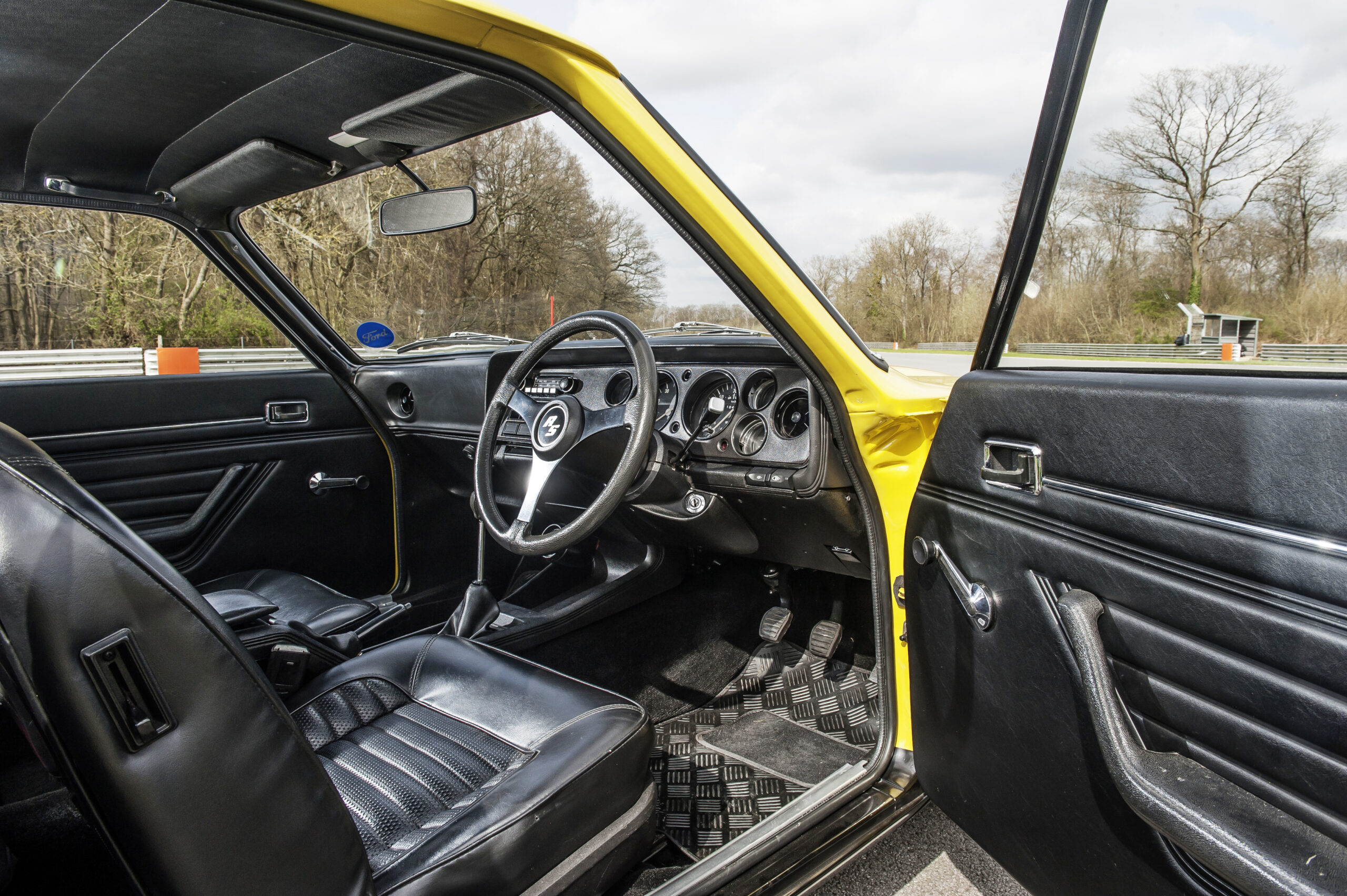
Interior just begs for some B&H smoke and you
Easily spotted by the front quarter bumpers, that whopping ducktail rear spoiler and four-spoke AVO cast alloy wheels it exudes Seventies boy-racer machismo. It sits on an RS2600 chassis, but power is now by way of an overbored 3091cc Essex V6 and Weber carburetion. At just 148bhp it’s two horses down on its predecessor but that capacity increase proved crucial for the racers.
On the track the road car’s stiff suspension set-up feels a bit hash ’em-bash ’em at low speeds, there’s no comparison to the BMW’s refinement or the Escort’s immediacy but the engine has immense torque and flexibility. Spin it on a bit and the faster the speed, the more planted the big Capri feels. Through corners there’s no oppo-lock wild power sliding – it lifts the inside wheel well in advance; instead, brake hard, then carefully judge the power application to keep traction maximised, and then it’s throttle down – where it stays – as I muscle through onto the straight. It’s a blunt instrument, but get it right and it’s brutally effective.
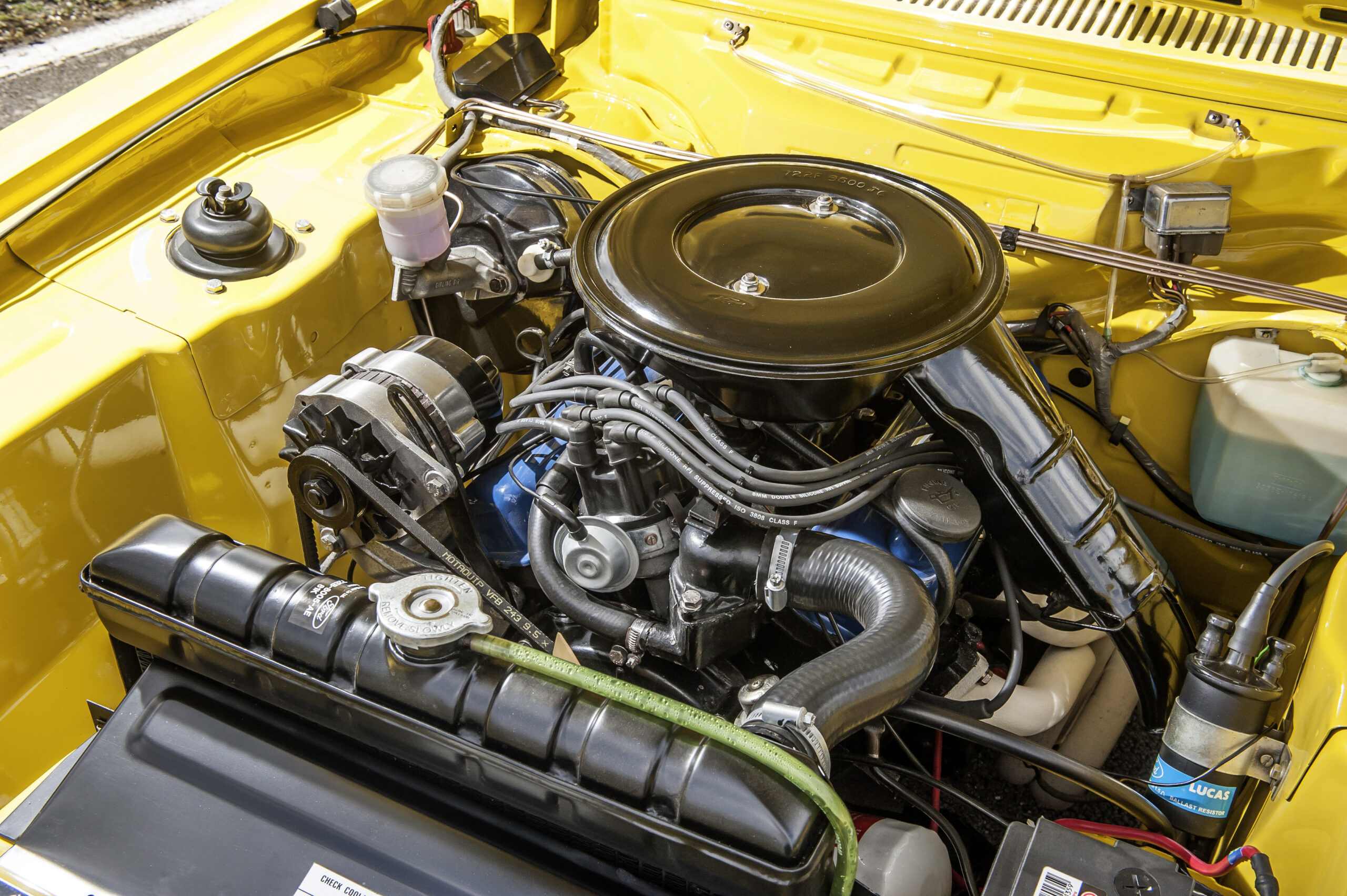
V6 pumps out a meaty 148bhp; race cars gave 420bhp
Back in ’73, with the Capri II due, the RS3100 made no sense in Ford’s range, and only 248 were sold from December of that year until February. The racers were totally different beasts, with their Cosworth GA four-cam heart only loosely based on the Essex V6 cylinder block overbored to 3.4-litres. Their initial 420bhp, combined with a 7.5 per cent increase in aerodynamic efficiency, blitzed the BMWs in 1974 – it had eight wins in 17 races across various championships, but against uncommitted BMW opposition.
Owning a Ford Capri RS3100

‘I’ve owned a Capri since I was 17,’ says carpenter Wayne Jeffs. ‘I previously had a Brooklands but I’d always hankered after this model – as the rarest variant it’s the one we all want, and that styling…’
Jeffs bought it in 2007 for £7000 and spent £20,000 restoring it. ‘Stuart Baldy at Restore-A-Ford did the bodywork. The front struts had rotted out, as had the boot floor and there were MoT bodges a-plenty. I rebuilt the original engine myself – though it now has another sourced from eBay – and put it all back together. It’s a really good useable classic but the four-speed gearbox can be a bit noisy, though it levels off at speed. It’ll tick along happily on the motorway and the power is there when you need it.’
Running costs are low as Jeffs continues to keep on top of maintenance. ‘A week ago the front suspension was taken apart; I wanted to change a steering coupling as there was a shake.’
The RS3100 is set to remain his possession long term. ‘I suppose it’s a secondary pension pot. When I can no longer drive it, it’ll go.’
1973 Ford Capri RS3100
Engine: 3091cc, V6, ohv, Weber compound twin-choke 40 DFA
Power and torque: 148bhp @ 5000rpm; 187lb ft @ 3000rpm
Transmission: Four-speed manual, rear-wheel drive
Steering: Rack and pinion
Suspension: Front: MacPherson strut, coil springs, anti-roll bar, telescopic dampers. Rear: live axle, half-elliptic leaf springs, telescopic dampers, anti-roll bar
Brakes: Discs front, drums rear with servo
Weight: 2315lb (1050kg)
Performance: 0-60mph: 7.2sec; top speed: 123mph
Fuel consumption: 21mpg
Cost new: £2413
Price from: £20,000-£35,000
BMW 3.0 CSL
Think motor sport in the Seventies and an image of a works BMW CSL in full Teuton attack-mode instantly comes to mind. The Bavarian beast would go on to dominate the decade to secure its place as the defining touring car of the era.
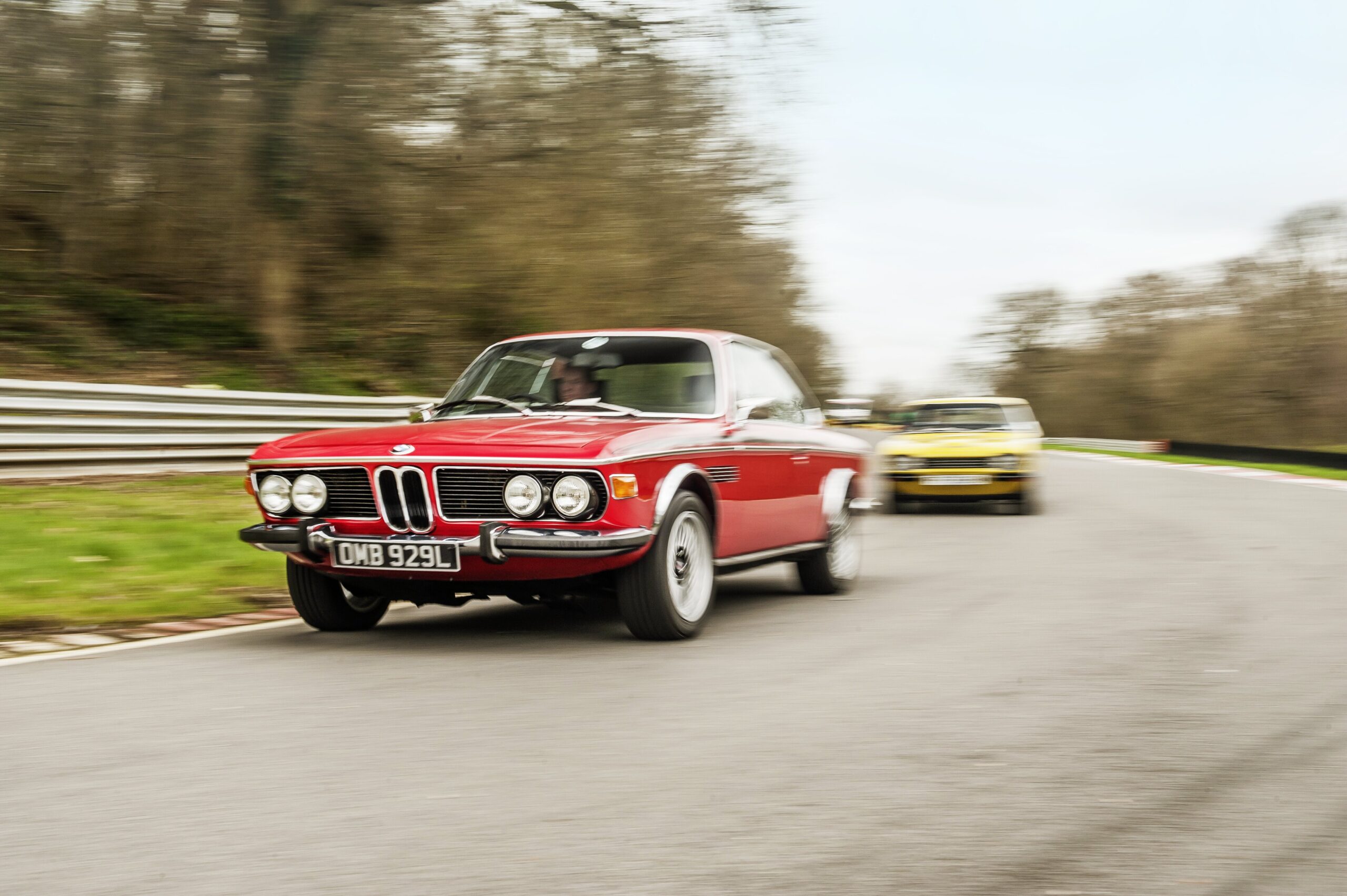
Yet so comprehensive was its 1972 trouncing by Ford-Cologne’s RS2600 racers – which won 13 out of 16 races – that initially, success looked doubtful. A single victory, in the Nürburgring six-hour, was scant reward for honest toil and such a devastating defeat prompted the formation of a whole new division – BMW Motorsport GmbH.
Headed by newly poached Jochen Neerpasch – the very mastermind of the Capri’s recent victory – it prepared five factory cars for a full-out, multi-championship assault. Expectations were, according to a period Road & Track article, for ‘a few victories but not the 1973 ETCC championship’, – keine chance. The multi-colour decaled beasts stormed to the title, with a Group 2 win at the Le Mans 24-hour and 11th overall, with Toine Hezemans and Dieter Quester at the wheel, thrown in for good measure.
Still basking in that reflected glory is this stunning Verona Red 3.0 CS ‘Lightweight’ road car (currently on sale at East Sussex-based specialist Munich Legends). The aesthetically wilder and rarer ‘Batmobile’, with its many aerodynamic accoutrements, may represent the pinnacle of the road-going versions but by comparison this is a discreet study in focused presence.
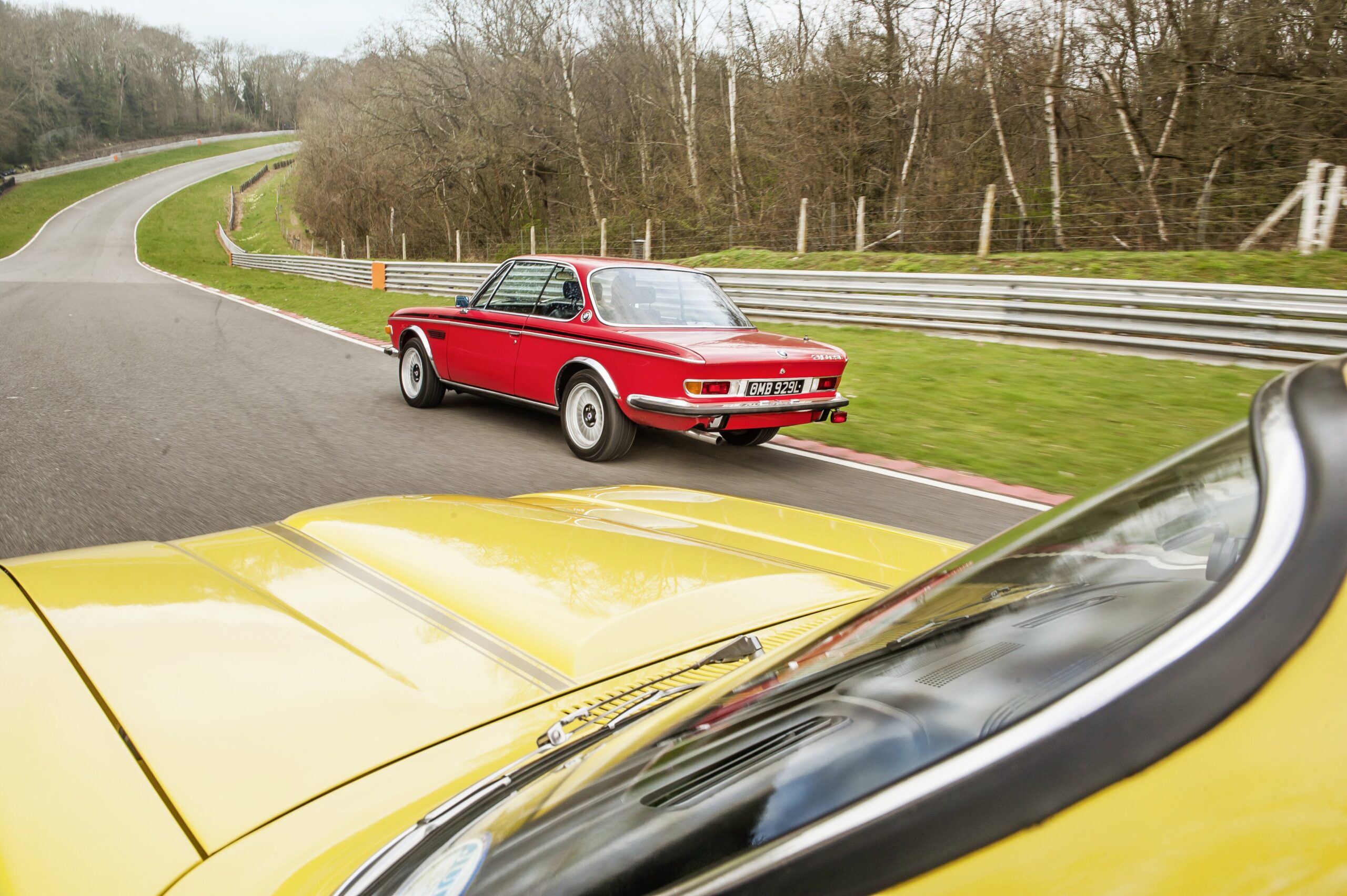
Clean lines of the BM look a decade younger than the steroidal Capri
It has unstressed alloy panels including the bonnet, boot and doorskins but unlike German versions – down from the CSi’s 1400kg to 1270kg – all UK cars were returned to CS luxury specification, which means it doesn’t feature its European sibling’s plexiglass side windows, stripped interior or lack of front bumper and comes in a smidgeon heavier.
‘Bury the throttle and the bonnet lifts with an accompanying vociferous bark, as the engine spins swiftly to the 6400rpm redline’
The engine has the tiniest of overbores to 3003cc in order to sneak into the over 3-litre competition bracket – the same trick the Capri RS3100 would later use – but output remains a CSi-level 200bhp. Bilstein dampers, a limited-slip differential, power steering and an all-synchro gearbox complete the high level of specification.
Inside, trademark period BMW goldfish-bowl visibility instantly connects you to your surroundings. The Fifties-style over-sized steering wheel is a little thin for my liking – although it suits the large cabin – but the Scheel bucket seat makes me feel as if I am sat too far back.
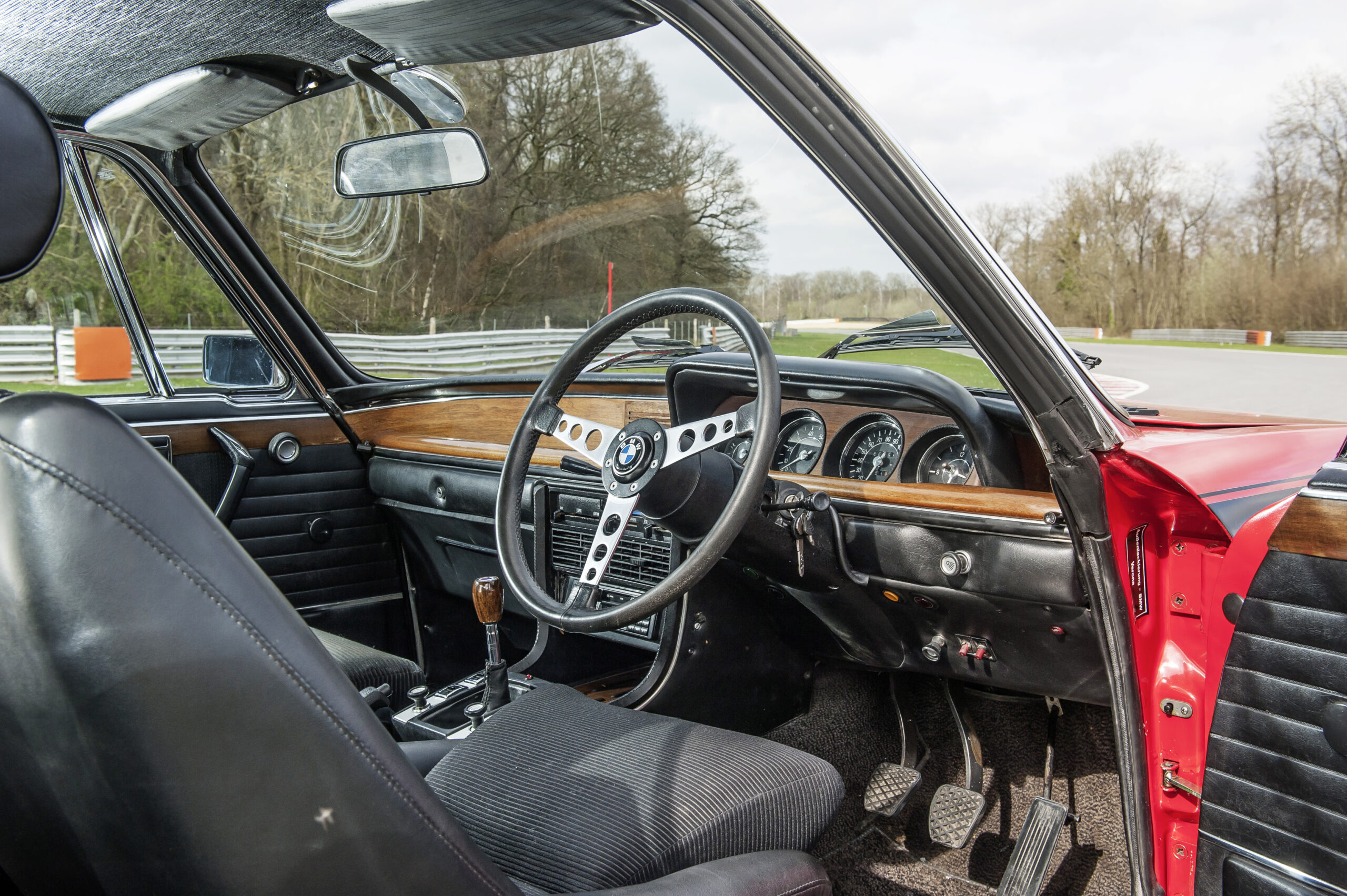
Interior looks good but bucket seats made Ross feel a bit too far away from the action
The straight-six sparks up with minimal drama and power steering makes manoeuvring a doddle. Bury the throttle and the bonnet lifts with an accompanying vociferous bark, as the engine spins swiftly and smoothly to the 6400rpm redline.
Gearshifts through the sharp gate are dispatched with ease, and the anchors match the overall high level of efficiency. One thing’s instantly clear – this car occupies a loftier engineering plane than the other machines gathered here.
Push on even harder on the smooth Brands Hatch tarmac, enter a corner at a high speed and it nails the apex ruthlessly; there’s no hint of understeer or oversteer – those deep bucket seats now make perfect sense – just exceptional levels of stability and balance. It’s instantly confidence-inspiring, and gives a tantalising glimpse into why it made the perfect basis for an all-conquering racer.
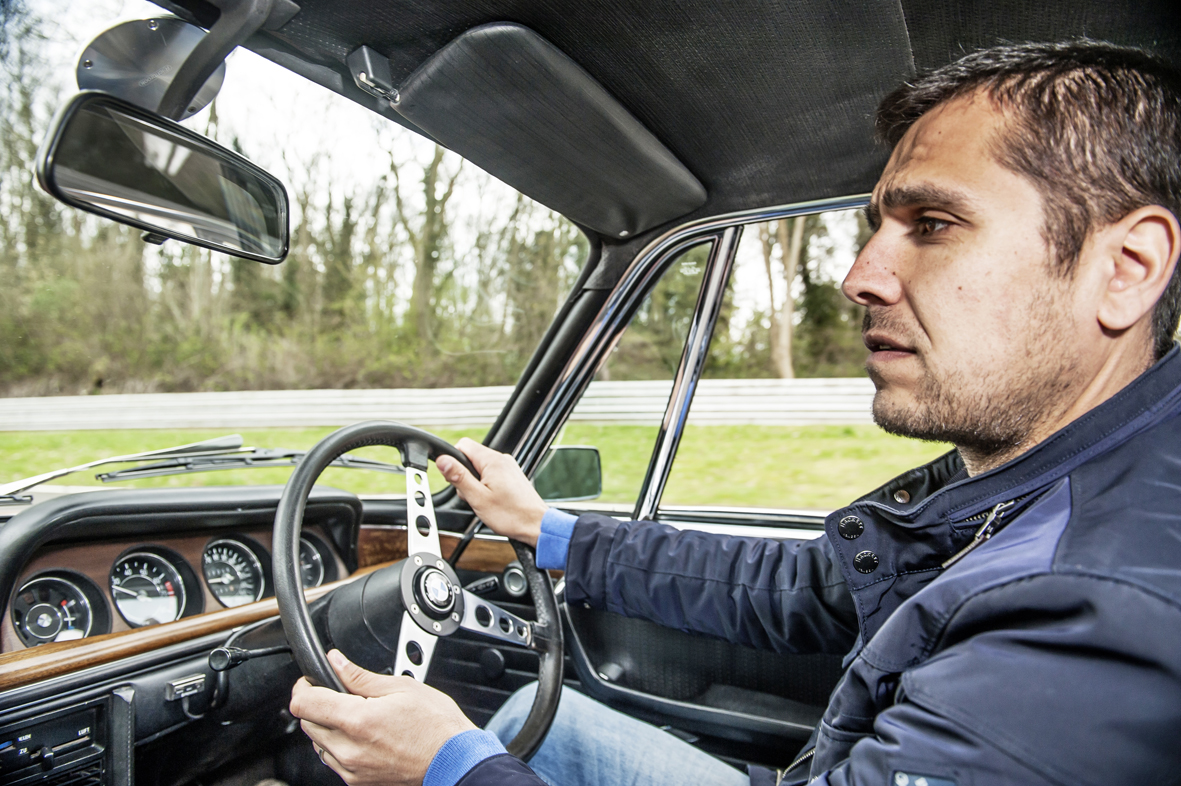
Ross realises that the BMW isn’t his to take home
In 1974 after the fuel crisis exploded the works BMWs retreated from ETCC battle, leaving the privateer Alpinas and Schnitzers to scrap with the new Capri RS3100 kid on the block.
Unlike the Ford effort, which ended suddenly with the company withdrawing from all major European competition the following year, the CSL racers continued to run riot, bagging a further five ETCC titles as well as achieving considerable success in the North American IMSA series.
Owning a BMW 3.0 CSL
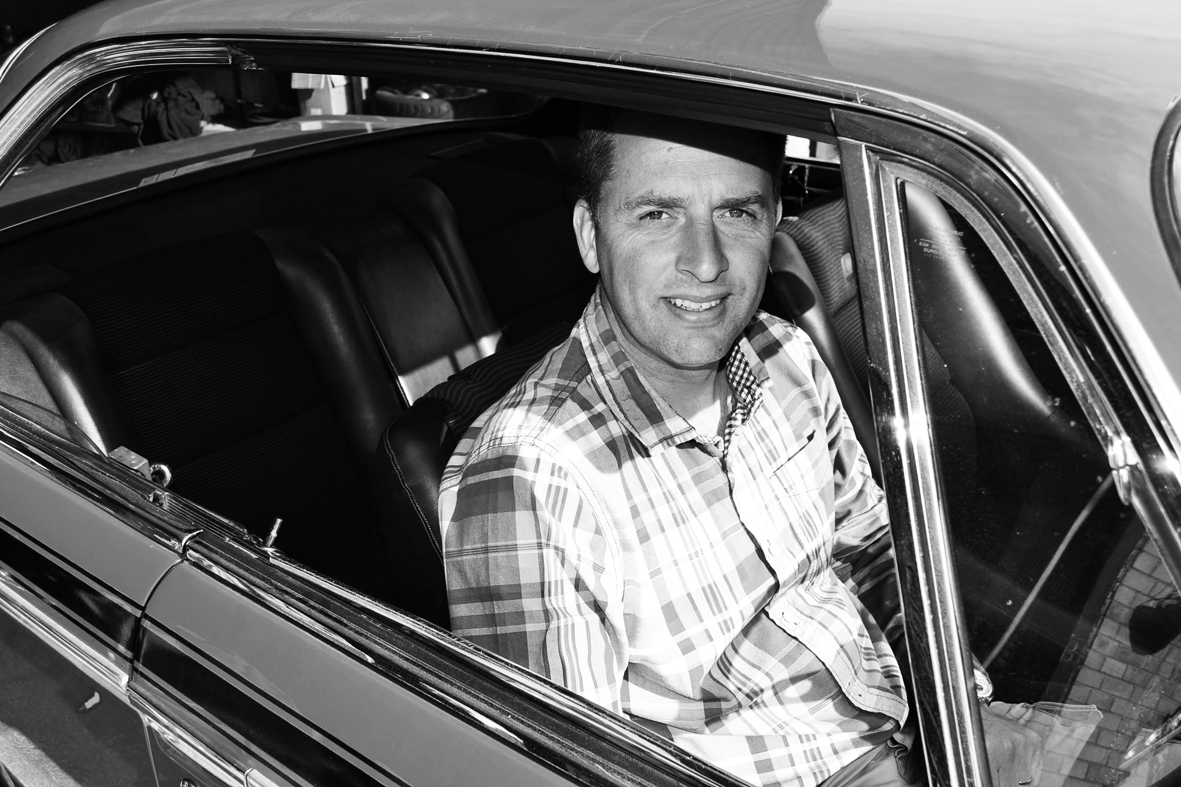
‘It hasn’t seen as much action as I’d like because of work and life getting in the way,’ says Tristan Judge, ‘but it does get a lot of appreciative nods and positive comments from friends that know about classic cars.’
Judge spent a considerable amount of time looking and took advice from a friend in the trade. ‘This one was bodily the best, and had also had a recent engine rebuild. Selecting the right one has been the most important decision. I’ve bought some classic cars privately but was happy to take the specialist view on this one.’
Since owning it he’s tinkered – adding rear seatbelts, headrests and replacing the clock. ‘There’s still some work to do, as the brakes need an overhaul, but the rest of it is all there. Sometimes you have to dig for parts, but most things are available. I do a little bit of racing and track days but this isn’t the car for it. I’ve nothing particularly planned but just to get out there, lower the windows for the old pillar-less look, and enjoy the fresh air.’
1973 BMW 3.0 CSL
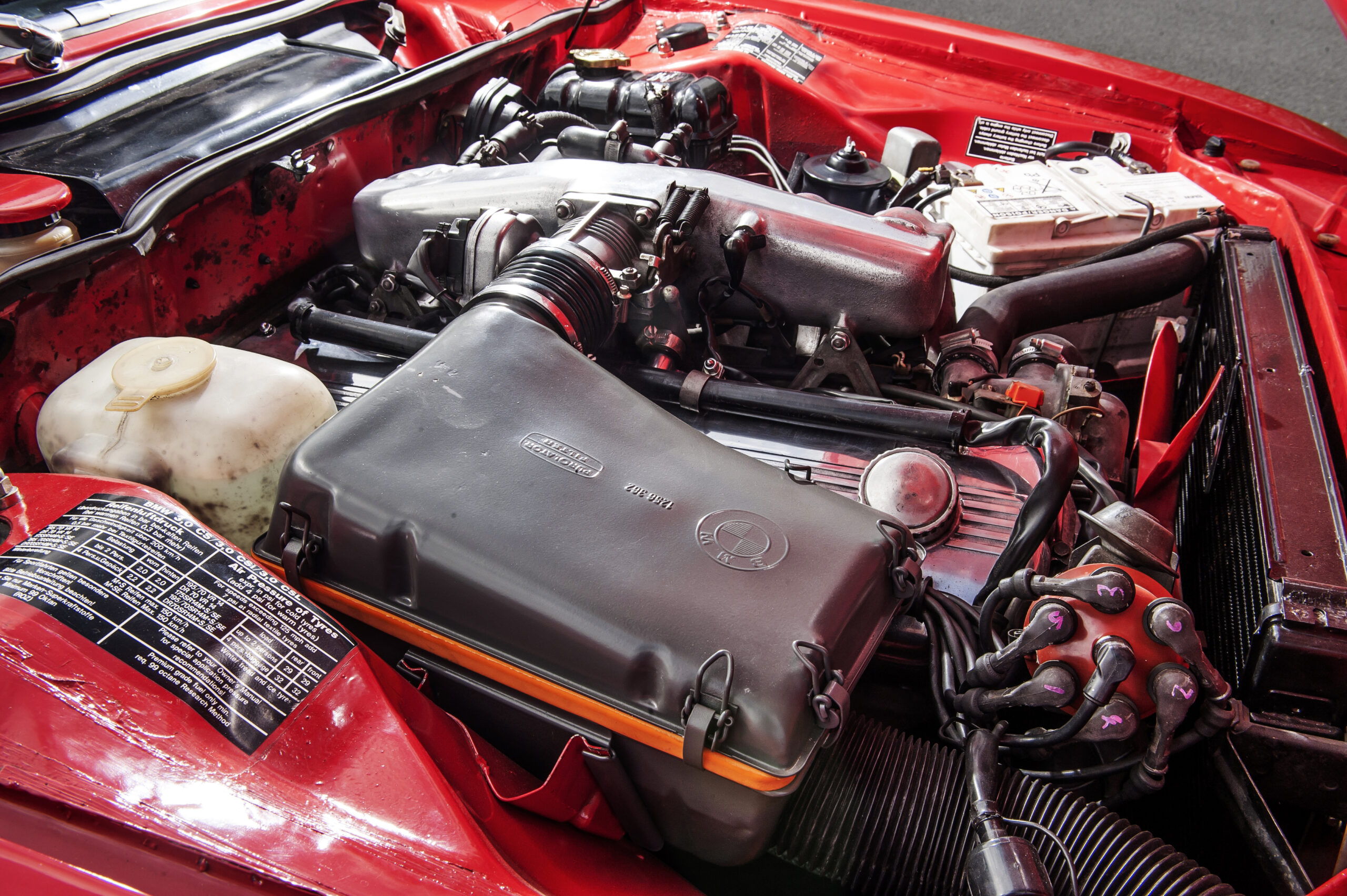
Engine: 3003cc, inline 6cyl, sohc, Bosch D-Jetronic mechanical fuel injection
Power and torque: 200bhp @ 5500rpm; 195lb ft @ 3700rpm
Transmission: four-speed manual, rear-wheel drive
Steering: Power-assisted worm and roller
Suspension: Front: independent by MacPherson struts, coil springs, telescopic dampers. Rear: independent by semi-trailing arms, coil springs, telescopic dampers
Brakes: Discs front and rear
Weight: 2780lb (1270kg)
Performance: 0-60mph: 7.1sec; top speed: 135mph
Fuel consumption: 18mpg
Cost new: £6399
Price range: £22,000-£50,000
Ford Escort RS2000
Through MkI Twin Cam, Mexico, RSs 1600, 1800 and 2000 competition cars there’s one constant – success. To detail all of the rallying and touring car victories of Ford’s original sideways, rear-wheel drive demon would require a BMW CSL-battering appendix to this feature.
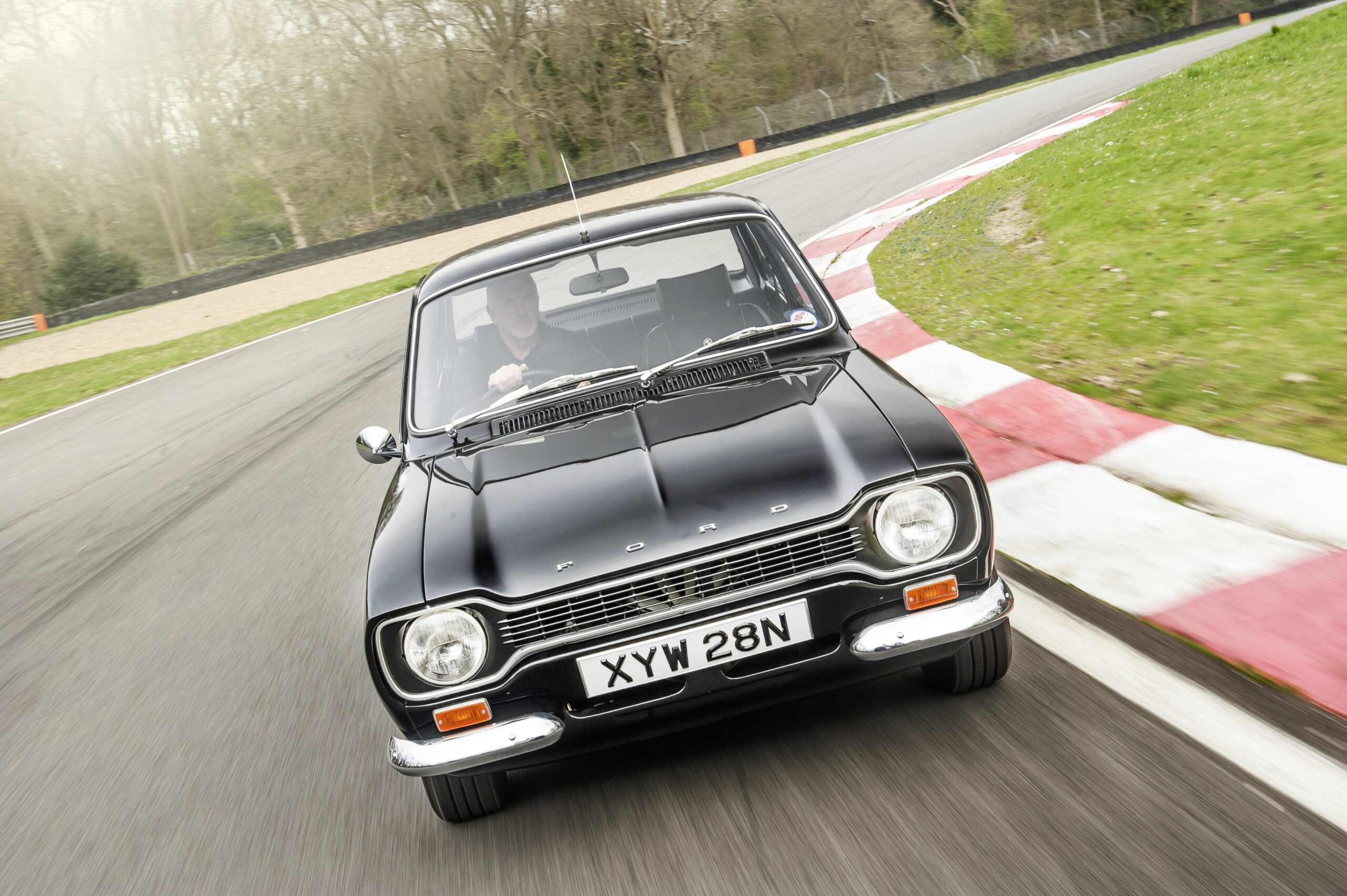
A fantastic place to be in an RS2000 – powering out of a bend
In Europe, 1971 had been a false start for the Escort RS1600s; the following year, using a 260bhp Hart-BDA engine, a Boreham-backed model was more competitive. But in ’73 – as Ford of Britain shifted all of its funds to rallying – factory interest dwindled. However, by then the Zakspeed cars had arrived and the following year these would essentially become the works Escorts.
Using iron-block two-litre engines they were built for reliability, rather than outright go, making a seemingly paltry 275bhp. They were competing in a smaller class than the 420bhp Capri RS3100s and similarly-powered BMW 3.0 CSLs but did better, winning the Division One championship and the Nürburgring round outright. Brutally embarrassing for Ford’s new Capri talisman, but the perfect end to the Escort MkI’s European track career.
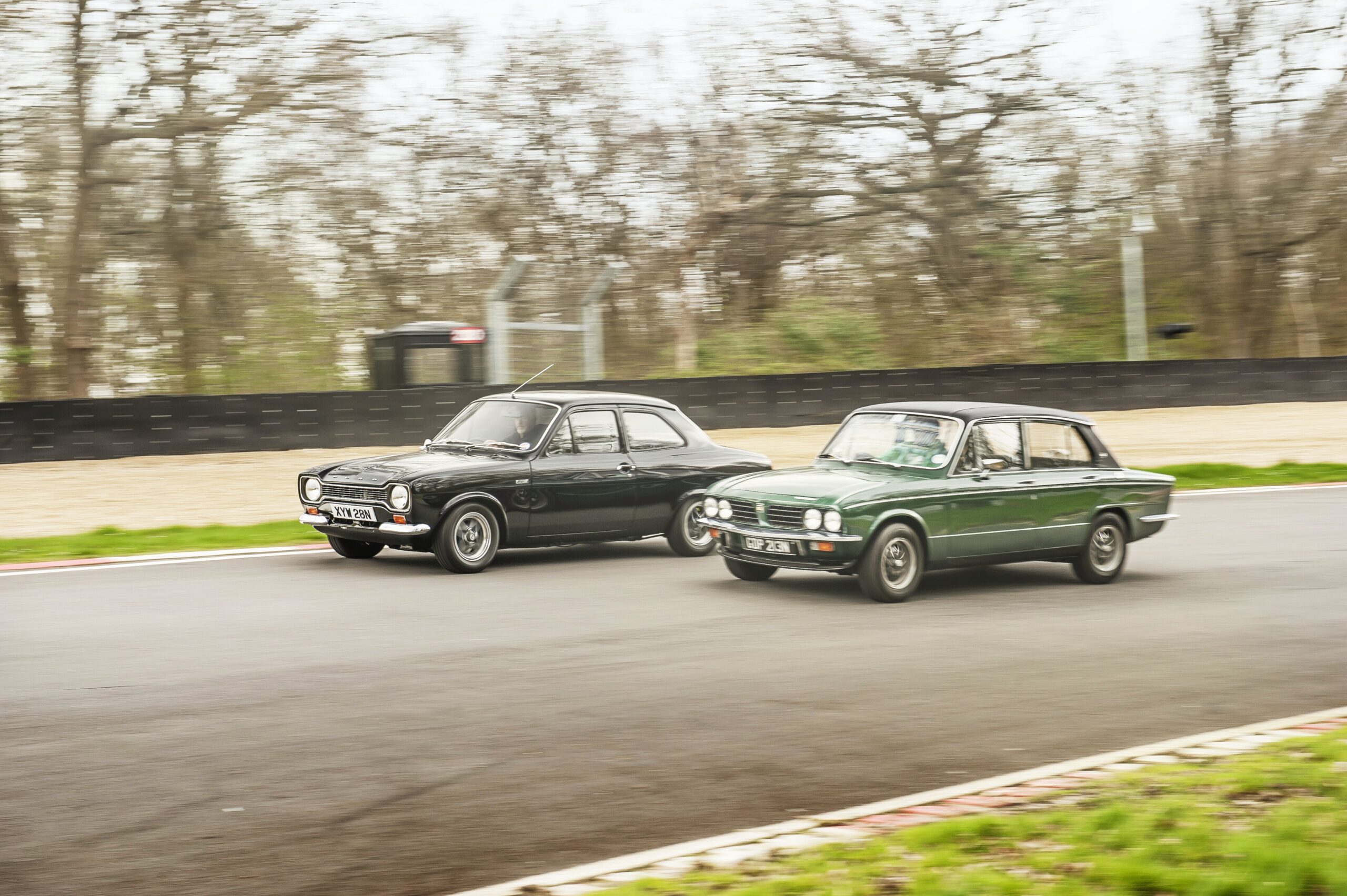
Escort’s sporting minimalism meets Dolomite’s sporting luxury
Representing sporty Escort MkIs here is this striking black RS2000 (for sale at Kent-based Porsche specialist 911Box). Although it’s the BDA-engined cars that bask directly in the glory, their slightly softer 2000cc Pinto-powered sibling is arguably the nicer road car – a little less highly strung, more pleasing inside and not to mention considerably lighter on the wallet today.
It features the same strengthened Type 49 bodyshell, complete with flared front arches, but this example doesn’t have the usual contrasting stripes on the body. Into this is shoehorned the bulkier Pinto engine – good for 100bhp – which is mated to the Cortina MkIII’s Type E gearbox and the same Timken rear axle as other AVO products, but now with a higher 3.54:1 final drive ratio.
The interior is sporting but spartan compared to the others, and feels built down to a budget. That’s not a criticism because the AVO six-instrument binnacle, flat three-spoke RS steering wheel, and superb Recaro sports bucket seats work together to focus attention on the one thing that matters in this car – the road.
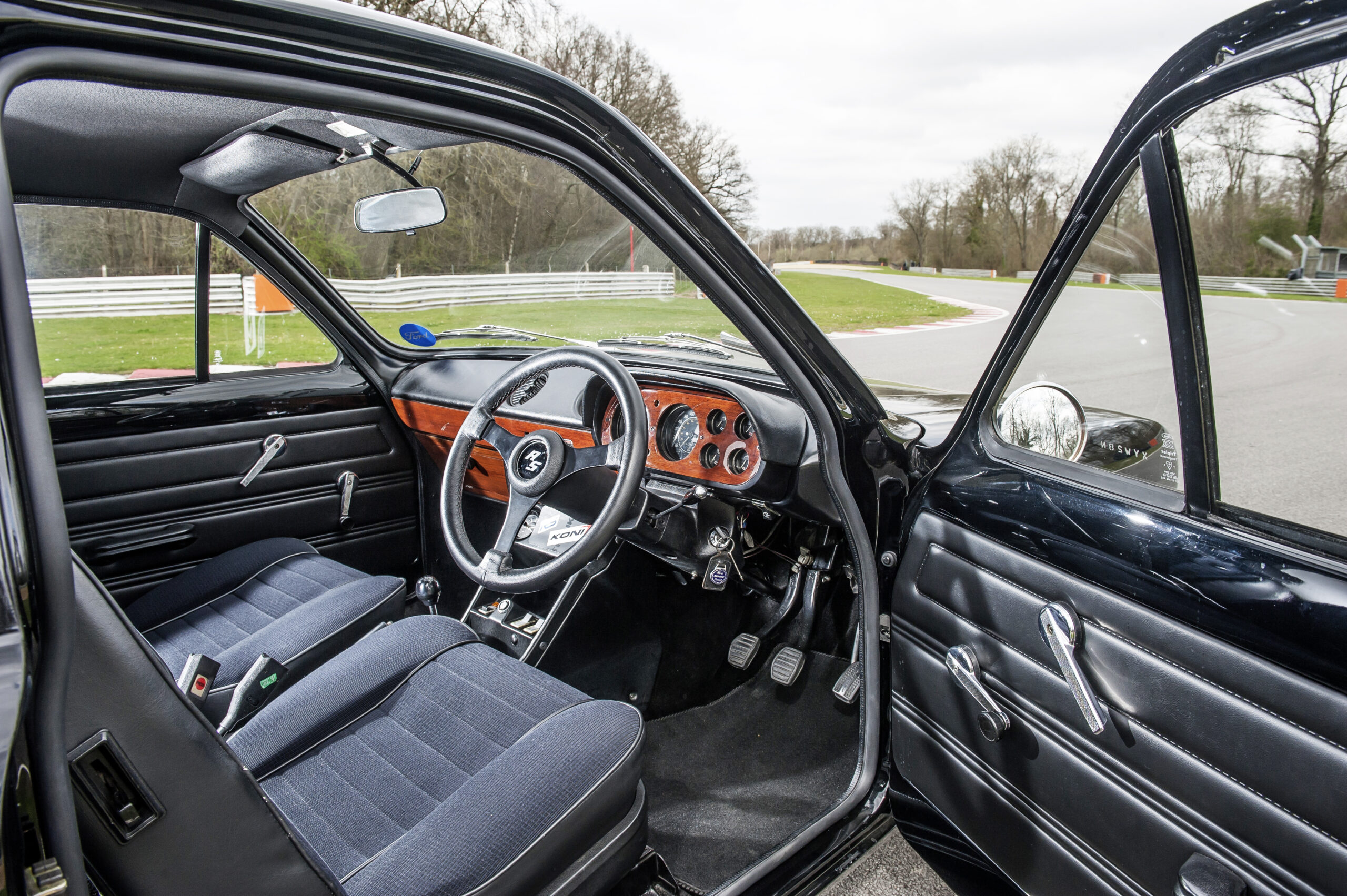
Everything you need and no more
Driving it is a physical, Greco-Roman wrestling whirlwind of an affair; the harder you manhandle it, the better it responds. The engine isn’t the most sophisticated—antediluvian compared to the CSL’s unit—but its response is willing from the off, delivering lashings of torque throughout the rev range, all accompanied by a delightfully rorty, wide-boy soundtrack.
‘This Sideways-Sid is an absolute howl, with a hardcore nature that can’t help but shine through.’
The steering is razor-sharp but it’s the gearbox that astounds, its incredibly micro-short throws and snicky-nature rendering all rivals both flabby and redundant in an instant.
Despite revised suspension – firmer front and softer rear springs, and different damper settings – the RS2000 is initially neutral through corners, but a hard prod of the throttle will still initiate lurid but controllable oversteer.
This Sideways-Sid is an absolute howl, with a hardcore nature that can’t help but shine through. On track there’s more than enough to let me imagine myself as Hans Heyer in the Castrol-liveried Zakspeed Escort, as he blitzed the competition in ’74.
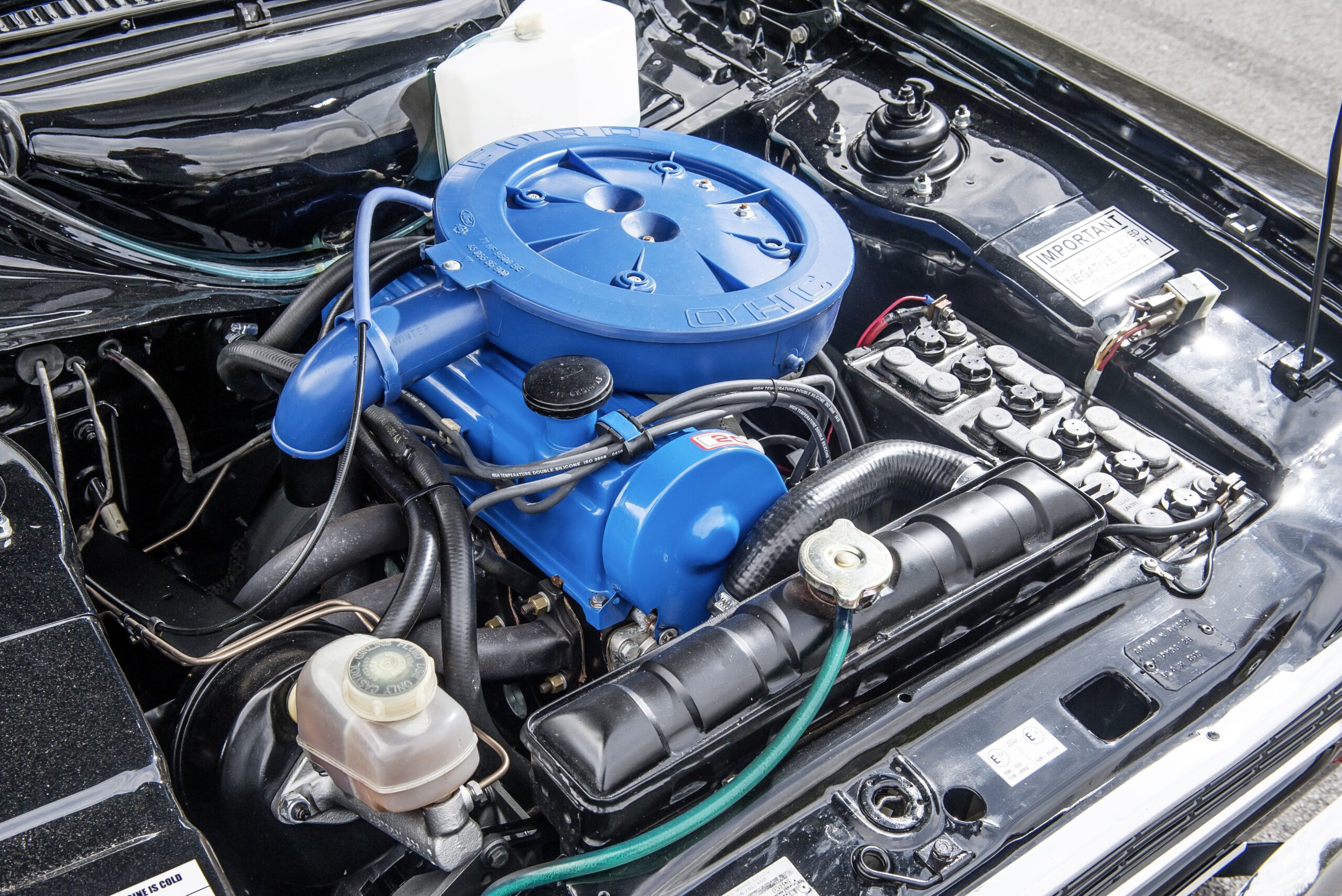
2.0-litre Pinto delivers a gutsy 100bhp – in road form, at least….
Yet back on the road, with its higher gearing and more civilised single Weber twin-choke carburettor set-up – it’s only 0.1 sec slower from 0-to-60 mph – it’ll still perform regular touring and commuting duties with some comportment.
The RS2000 is also not without its own competition success, with Roger Clark in ’74 and Tony Pond the following year both winning the Tour of Britain in Group 1 examples. It’s enough to make me reach for some racing gloves…
Owning a Ford Escort RS2000

Kerry Sealey is well placed to comment on the RS2000, he owns a range of Escort MkIs including a Twin Cam, RS1600 and Mexico. ‘It’s a Dec ’74 built car registered in Jan ’75, in white with blue decals. Compared to the other variants it’s more of a luxury car, quieter to drive and with the single carburettor a bit less performance-orientated – the better choice for a Sunday drive.’
Sealey says running costs are fairly low, with the car insured for £120 a year and about to become lower as it’s road-tax exempt in April. ‘I’m a bit finicky and since I’ve owned it I’ve rebuilt the engine and the gearbox, and gone through the braking system. The standard engine is very similar to a Cortina one and so relatively cheap to rebuild at around £2000.’
The RS2000 goes up to Cumbria once a year for The Lakes Tour Rally, something he describes as ‘a great jolly up with friends from both the RS Owners’ Club and AVO Owners’ Club and lots of MkI and MkII Escorts’.
1974 Ford Escort RS2000
Engine: 1993cc, inline 4cyl, sohc, Weber DGAV 32/36 carburettor
Power and torque: 100bhp @ 5750rpm; 107lb ft @ 3750rpm
Transmission: Four-speed manual, rear-wheel drive
Steering: Rack and pinion
Suspension: Front: independent by MacPherson strut and double-acting hydraulic shock absorbers, anti-roll bar. Rear: live axle, semi-elliptic leaf springs, radius arms and double-acting telescopic dampers
Brakes: Discs front, drums rear
Weight: 2284lb (1036kg)
Performance: 0-60mph: 9.0sec; top speed: 110mph
Fuel consumption: 28mpg
Cost new: £1964.55
Price range: £12,500-£25,000
Triumph Dolomite Sprint
Triumph’s ‘Dolly’ Sprint was comprehensively rallied under the British Leyland Special Tuning banner but proved unable to match the lighter, and highly reliable, Ford Escort. It also dipped its toes in European competition, but real success came at home in the British Saloon Car Championship. While continental competition had gone down the hardcore fire-breathing route, back home us Brits had to make do with the cost-saving Group 1 contest for virtually standard cars – softcore, and with the lights on.
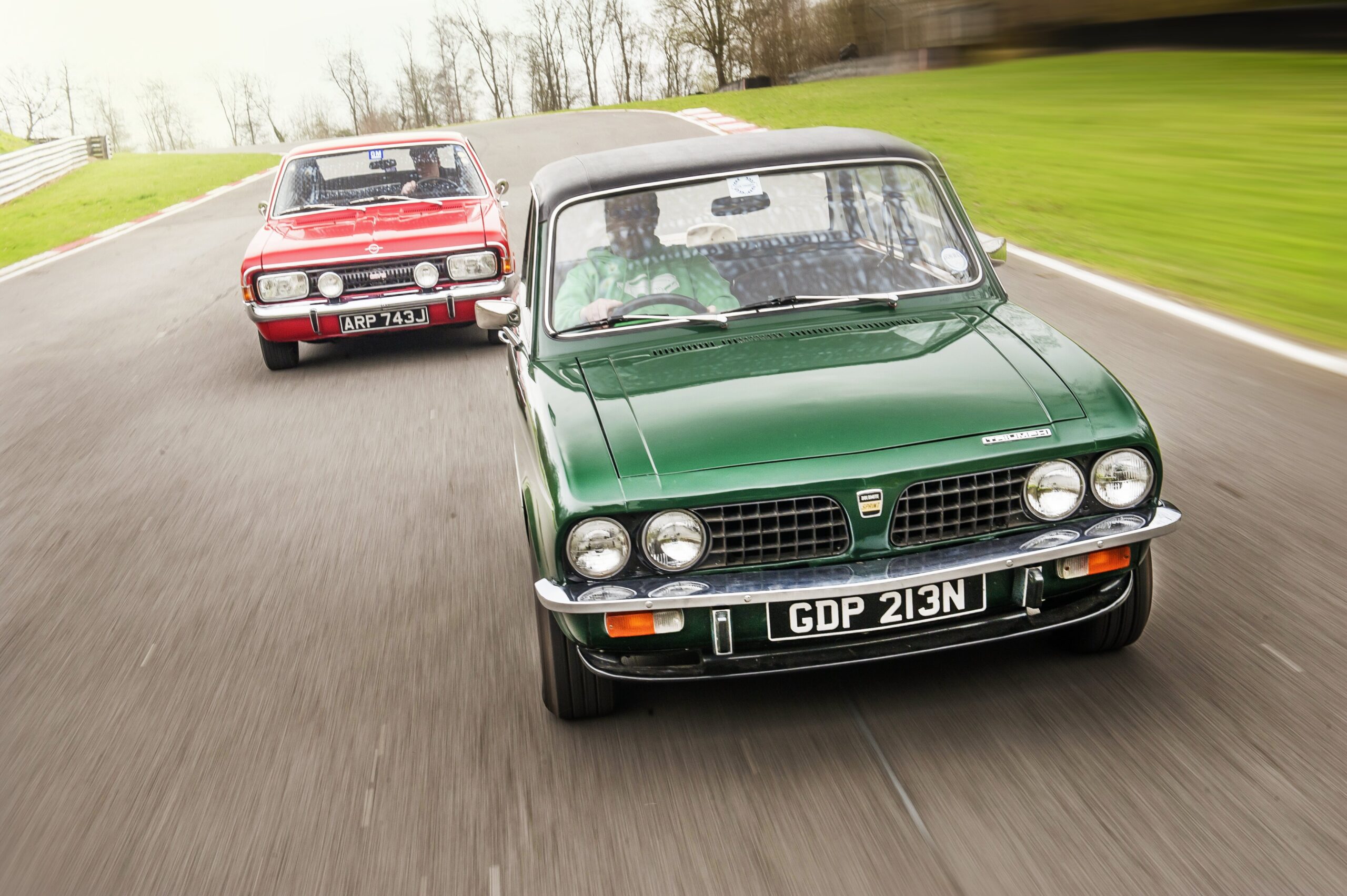
Dolomite Sprint leads automatic Opel Commodore GS/E
But how the Sprint soared! With a driving team of Andy Rouse and Tony Dron, it clinched the RAC Manufacturer’s Championship for the Broadspeed Team in ’74, and Rouse snapped up the Drivers’ Title the following year – not too shabby for a product of a disordered, and somewhat maligned, industrial behemoth.
At launch in summer ’73 the Dolomite Sprint was greeted enthusiastically, Autocar stating, ‘…the Sprint must be the answer to many people’s prayers,’ and citing it as a ‘sparkling performer’ that was ‘tremendous fun to drive’.
Despite sporty alloy wheels and a front lip spoiler, Giovanni Michelotti’s styling was a little uninspiring; like the Opel it still resembles a product of the previous generation. But free of period criticisms of its ‘dated’ looks, it is now possible to enjoy its rakish elegance. It also looks smaller, and you might think lighter, than the other cars, but that’s deceptive – it’s 127kg tubbier than the Capri.
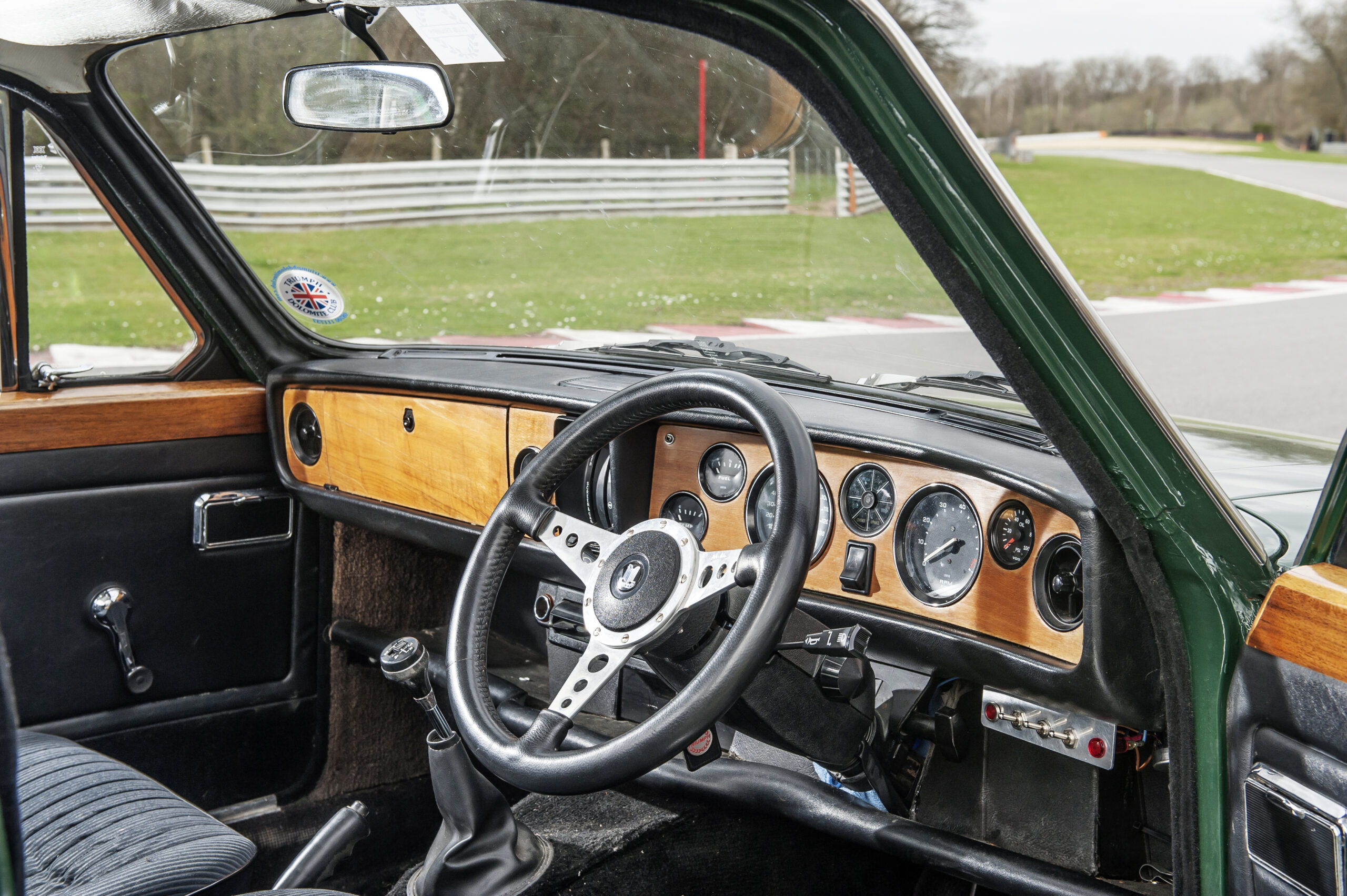
Triumph was much more luxuriously appointed than rivals
Insert your backside into the spacious cabin and the feeling that the Sprint is a car stuck between two decades returns. The wooden dashboard panel and door cappings sit a little awkwardly alongside this car’s thick leather-rimmed sports steering wheel, yet you can see why period road-testers appreciated the high level of finish.
But the element that made the Sprint so special, and competitive, is the 16-valve four-cylinder engine, one of the first mainstream production cars to feature one. This blending of a radical power plant with a luxury finish endowed the Sprint with a nonconformist character, perfect for its mid-level executive target group.
On the move there’s very little noise output, with no real indication from either end of the performance available – even under heavy load. But boy, does it shift; 127bhp endows it with an 8.3sec dash to 60mph, and Escort RS1600-beating – never mind the RS2000 – performance.
‘You have to judge just how far you can load it up before this little puppy starts cocking its leg.’
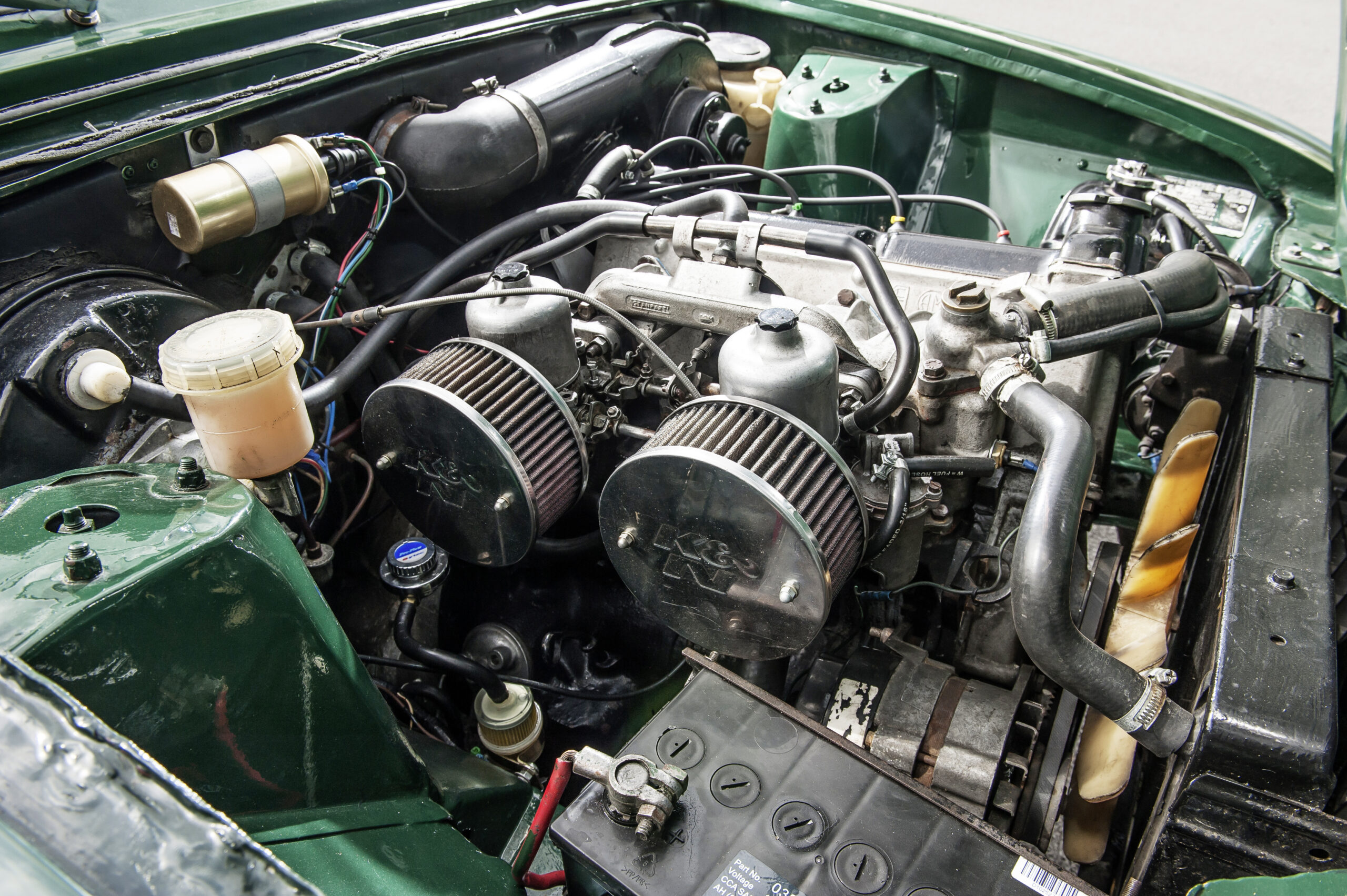
Triumph’s 16-valve engine gave it the edge in competition
The standard suspension, with double wishbones and coil springs at the front, and a four-link suspended live rear axle, shows similar shortcomings to the Capri’s and likewise you have to judge just how far you can load it up before this little puppy starts cocking its leg; and then even if it does, keep your right foot planted as any let-up will induce snap oversteer.
Motorsport, in its October ’73 road test, said that it ‘is a highly acceptable car’, before going on to say more effusively ‘the Sprint is immensely controllable… and very accurately placed where the driver intends’. The clincher was the price. At just £1739.84 – the RS1600 was £22 dearer but much more competition-focused, and without the same level of interior appointment – there wasn’t much in the same price bracket that came close.
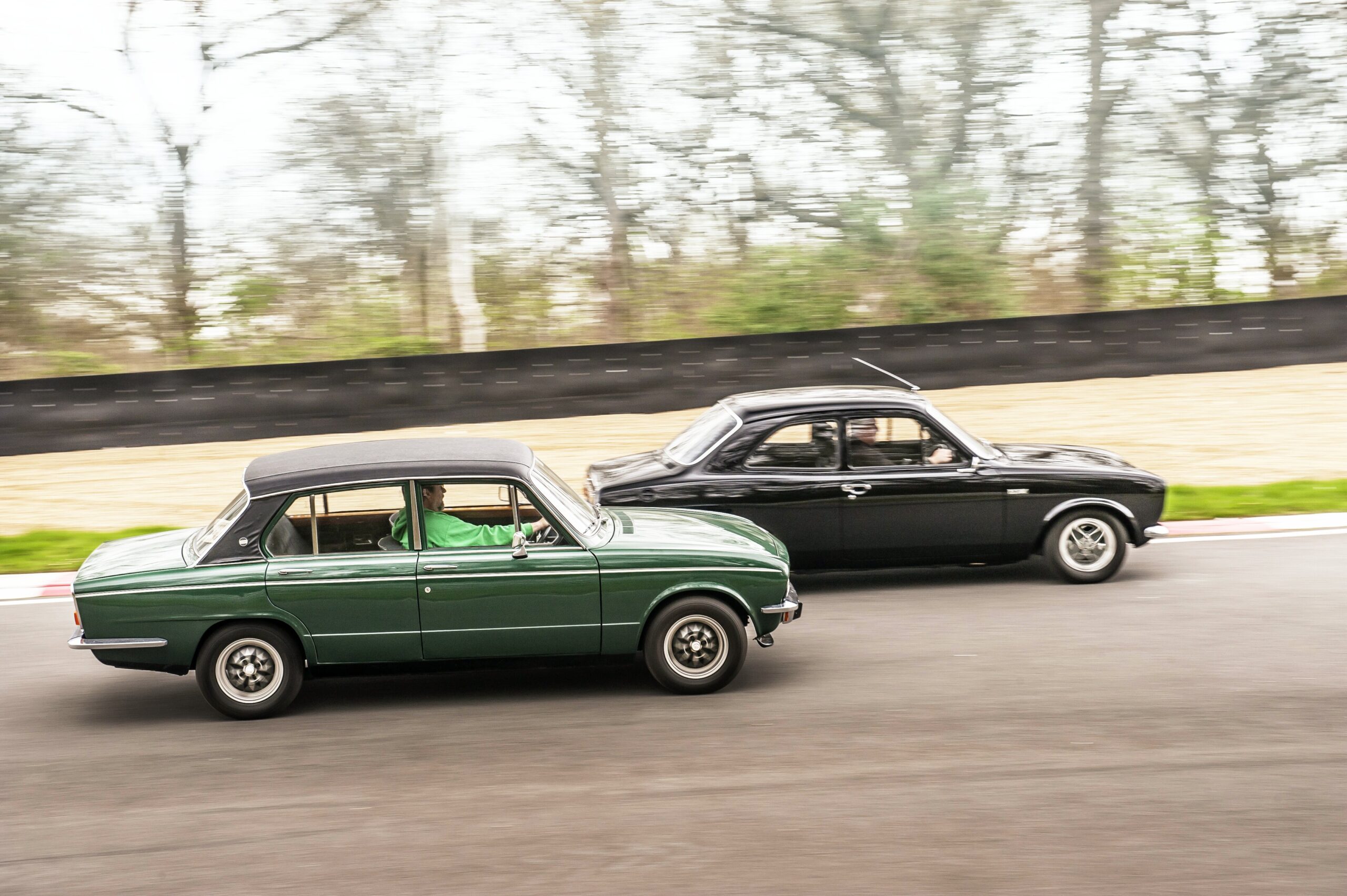
Dolomite has a rocky reputation for reliability – technology has improved matters
Yes, it developed a reputation for fragility based both on poor build quality and cylinder head warping issues that gave it a reputation as a serial devourer of head gaskets. Yet many cars of that era had design flaws that took the passage of time, and new technology, to improve. One thing’s for certain, if the basic package hadn’t been right there’s no way it would have been so successful on track. Today, it’s still considered to be the best British touring car of the mid-Seventies – praise doesn’t come much higher than that.
Owning a Triumph Dolomite Sprint

Colin Robertson also owns a 1967 MkIII Triumph Spitfire, and is a lucky man because buying the Dolomite was the wife’s idea. ‘The Spitfire is mainly for travelling to shows for display, but Ros decided that she’d like to come with me and wanted a roof over her head. There was also a fair amount of peer pressure from friends, “get a Sprint, get a Sprint” and when I did, they joked “you know they’re a bag of trouble.”’
A few standard issues aside, it’s been excellent. ‘I’ve replaced the clutch, battery and a brake caliper. With these cars as long as you can keep the engine cool they’ll go on forever.’ He’s also fitted an electric fuel pump to cure fuelling issues and an electronic ignition system. While he hasn’t had any issues finding parts, some are tricky to find new, particularly panels, but The Triumph Dolomite Club has had repair sections made.
The Dolly has proved a real driver’s car. ‘There’s a certain amount of tension involved, because of the performance available, and that really gets the adrenaline flowing.’
1974 Triumph Dolomite Sprint
Engine: 16-valve 1998cc, 4cyl, sohc, two SU HS6 carburettors
Power and torque: 127bhp @ 5700rpm; 124lb ft @ 4500rpm
Transmission: Four-speed manual, rear-wheel drive
Steering: Rack and pinion
Suspension: Front: independent by double wishbones, coil springs, telescopic dampers, anti-roll bar; Rear: live axle, longitudinal lower arms, diagonal upper links, coil springs, telescopic dampers, anti-roll bar
Brakes: Discs front, drums rear, servo-assisted
Weight: 2614lb (1187kg)
Performance: 0-60mph: 8.3sec; top speed: 115mph
Fuel consumption: 23mpg
Cost new: £1739.84
Price range: £2000-£7000
Opel Commodore GS/E
Opel advertised the Commodore as an alternative to the usual type of director’s car and it’s easy to see why, as its eye-catching styling and above-average performance made for an attractive proposition. The model debuted in 1967. Based on the wildly successful Rekord C – 1,276,681 units shifted over its lifetime – it slotted in as the upmarket version, and as such it had a higher level of trim and, unlike its sibling, only came with six-cylinder power units.
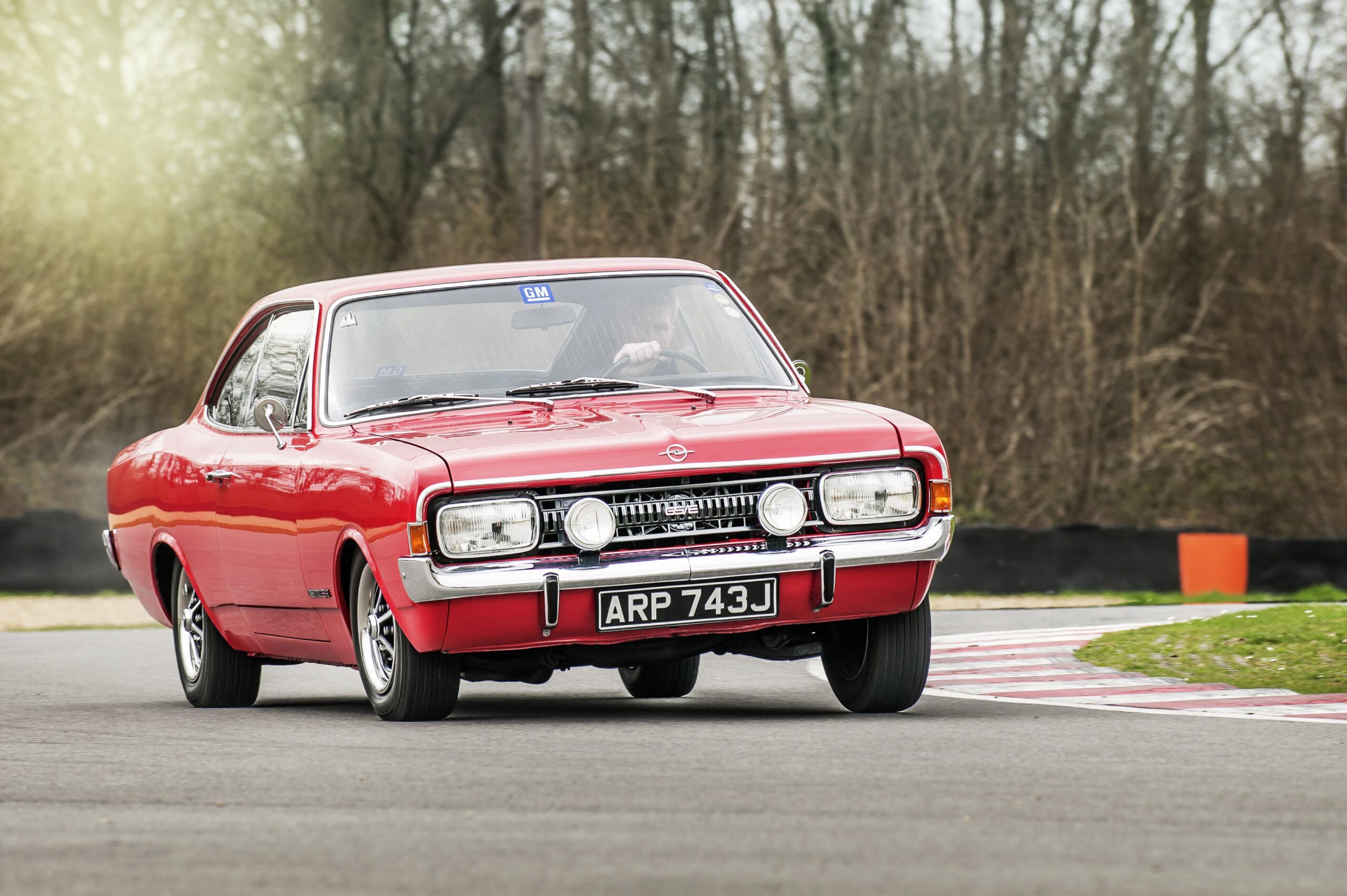
Roadgoing Commodore lacks the racers’ cornering composure
With 2.2-, 2.5- and 2.8-litre versions of Opel’s cam-in-head straight-six it had the oomph necessary for a big executive lump. The smaller-engined Sprint was good for 115bhp, the twin-carb fed 2800GS made 140bhp but crucially the top-of-the-range GS/E – Grand Sport Einspritz (German for fuel injection) – featured the mid-sized unit, fed by the new Bosch D-Jetronic system. In all, just 2,574 GS/Es were produced.
It may not be the obvious choice for a touring car weapon but the success of Ford Galaxies in the BTCC in 1963 proved that ungainly dimensions weren’t necessarily a handicap. Cue German tuning firm Steinmetz, which went to town on the Commodore. Using the two-door saloon as a basis, the engine was bored out to three litres and fitted with a race camshaft, triple DCOE Weber carburettors, oil cooler and a tubular exhaust manifold. Stiffer suspension and extended boxed wheelarches allowed for wider wheels and tyres to be fitted, in order to lay down 300bhp. With their striking yellow and black colour scheme these buzzboxes debuted at the Nürburgring Six-hours on May 12, 1970, and would become a competitive presence in the ETCC until the even more successful Commodore B arrived.
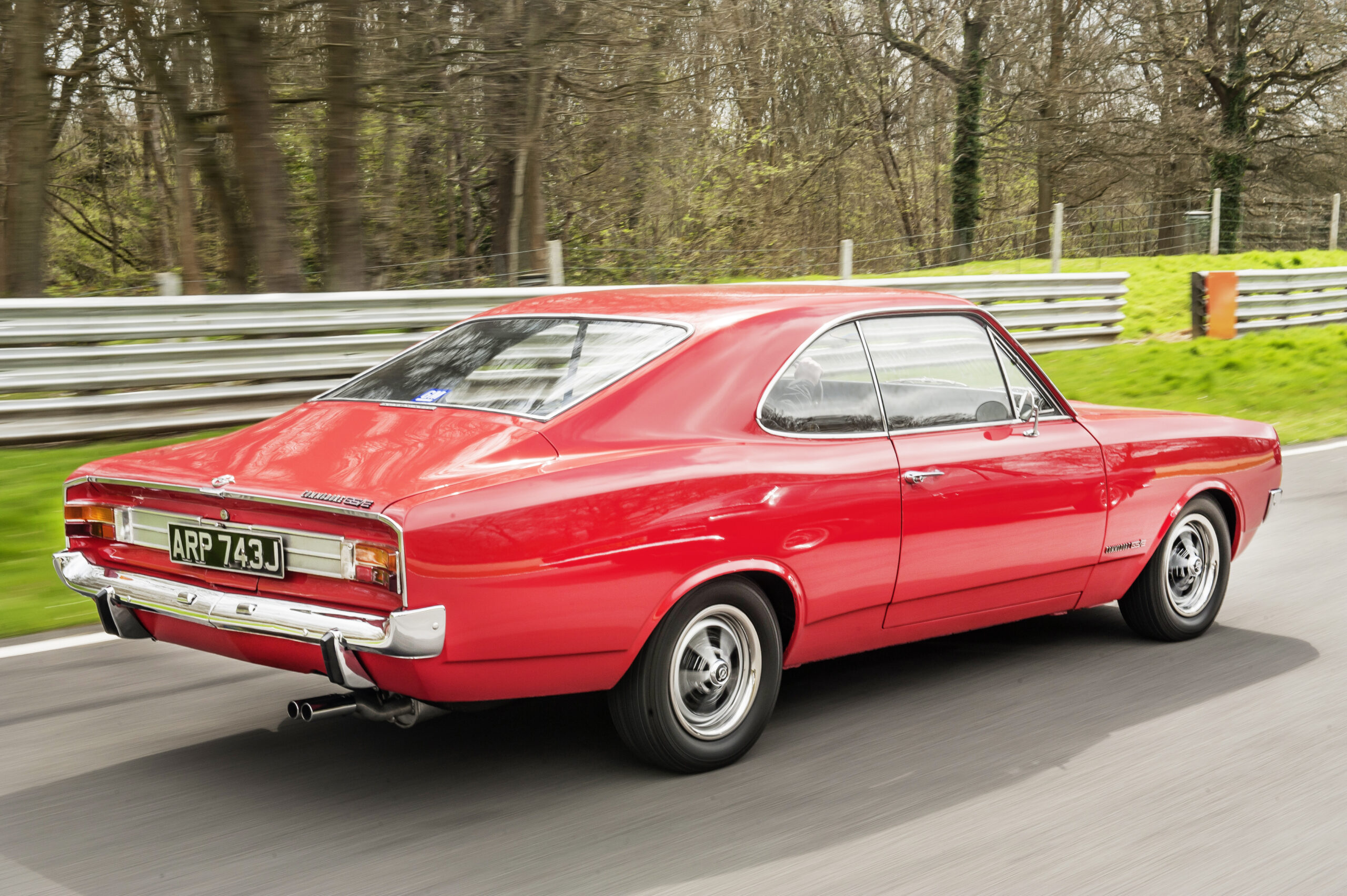
Opel offers Detroit muscle style on a European scale
The eagle-eyed ETCC fan will recognise that this car is a fastback coupé, while the racers were based on the notchback-style saloon with its full B-pillar and stiffer frame. Still, the underpinnings remain identical and will give an indicative experience.
Glance once at this Opel and you see styling cues from one car. But look again, this time from a slightly different angle, and it resembles yet another. It’s most definitely a product of the Americana design prevalent at Opel in the late Sixties. ‘I’ve heard them all,’ says owner Simon Downs. ‘But if I had a pound for every time I’ve heard mini-Dodge Charger, I’d be a rich man.’
Most cars were built at the Russelsheim factory in Germany but this is one of a limited number shipped in CKD form and assembled at the Biel/Bienne factory in Switzerland. It’s the only GS/E A series in the UK, and one of only six As in existence.
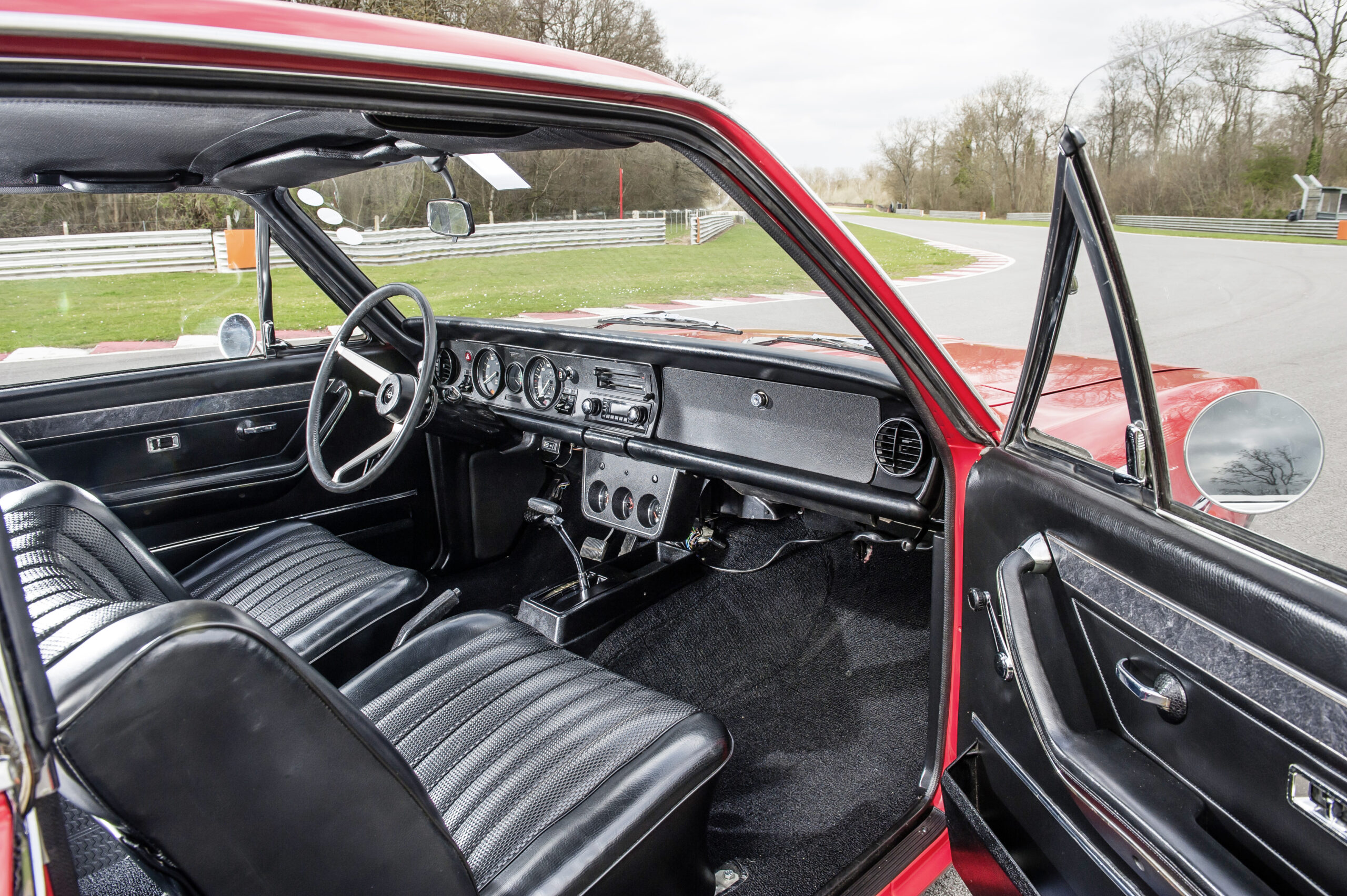
Cavernous interior could almost act as a wannabe racer’s paddock lounge
Like everything else about this car the cabin is vast, with a similarly over-sized steering wheel. Opel advertised the Commodore by saying, ‘the atmosphere of comfort is enough to send passengers to sleep just breathing it’. With Simon demonstrating that the front seats recline to form, with the back seat, a passable bed, I’m hoping it doesn’t have the same effect on the driver.
Power is delivered in smooth, lazy dollops of torque – made more languid as the autobox knocks two seconds off the 0-60mph time. As we approach Druids, Simon advises, ‘It handles like a truck.’ I realise my mistake – I’ve just come from the Escort RS2000. Cue looking where I expect the car to be going, followed by profuse attempts at corrective action, squealing tyres and copious body roll as I manhandle the cumbersome steering.
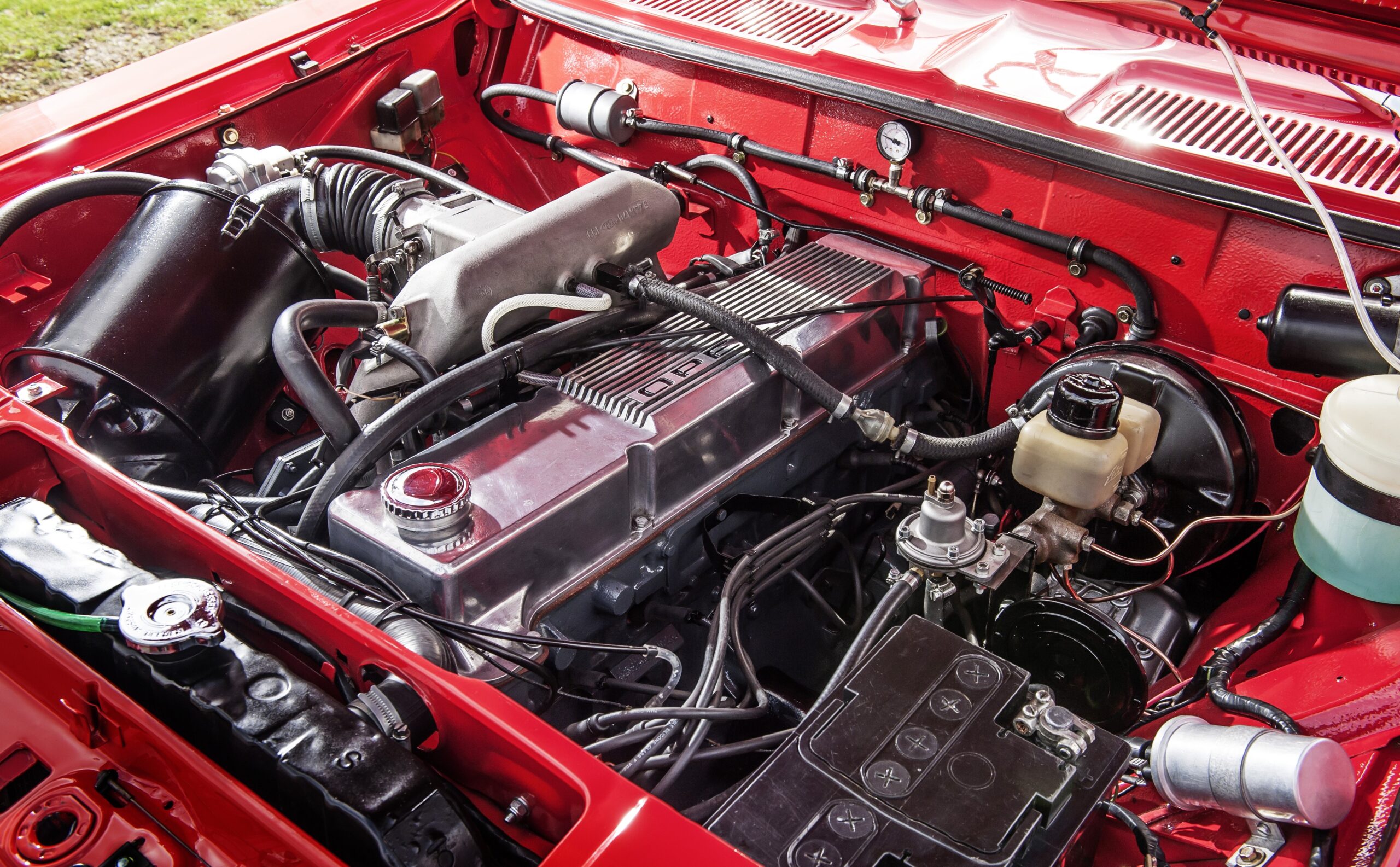
2.5-litre straight-six doles out 150bhp with smooth ease
Back on a straight and it swallows it effortlessly, but with corners rudely interrupting progress repeatedly, it’s hard graft. It can be made to handle – there’s sufficient power to combat the marked understeer – but it’s a real gargantuan effort. And why would you?
This car’s natural habitat is a stretch of long, straight, high-speed road. That Steinmetz turned it into a competitive touring car to ply its trade on the tortuous circuits of Europe is astounding.
Owning an Opel Commodore GS/E
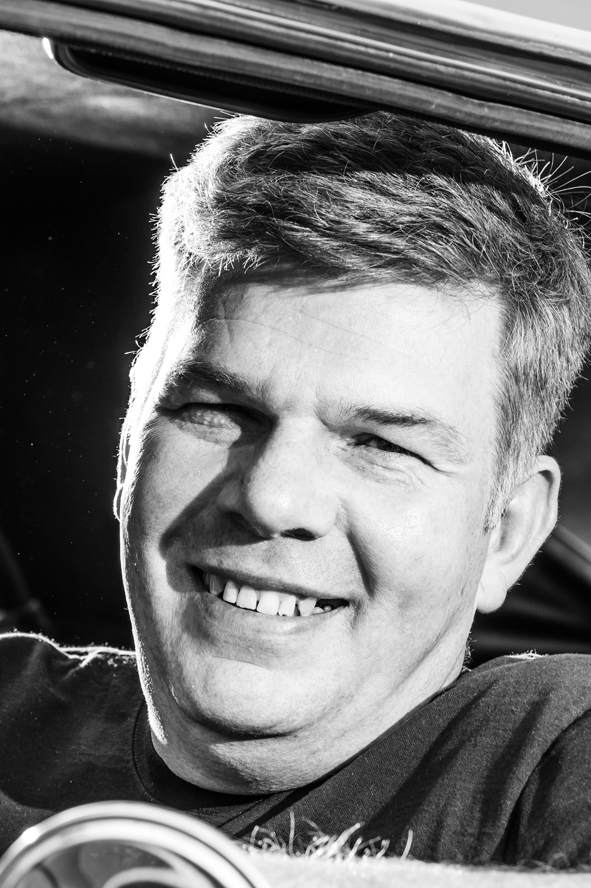
Simon Downs wanted something that was ‘big, comfortable, had nice lines, a decent-sized engine and was different.’ After seeing a picture of an Opel Commodore GS/E in a magazine he had to have one. ‘It was a barn-find before they became fashionable and I entered a bidding war on eBay; I bought it for £365.
‘I paid a guy to do the body and another to do the mechanicals but I’ve had to redo that over the past two years. The engine I’ve rebuilt myself, sourcing all parts including a new camshaft; incredibly Piper Cams still holds 12v cam-in-head blanks for Vauxhall/Opel engines and was able to make a new one.’
Downs isn’t a stickler for originality, so it’s running a four-speed Monza autobox rather than the original three-speed. ‘I get 28mpg now, rather than 17mpg, and it cruises beautifully.’
He takes it over to Europe regularly. ‘The Germans say it’s not right because it doesn’t have the original black stripes on bonnet, black vinyl roof, or black in-filled rear panel, but the Dutch love it.’
1970 Opel Commodore GS/E
Engine: 2490cc, inline 6cyl, sohc, Bosch D-Jetronic fuel injection
Power and torque: 150bhp @ 5800rpm; 145lb ft @ 4500rpm
Transmission: Three-speed automatic (four-speed, this example)
Steering: Recirculating ball
Suspension: Front: wishbones, coil springs, and telescopic dampers. Rear: live axle, coil springs, transverse upper and lower trailing arms
Brakes: Discs front, drums rear, servo-assisted
Weight: 2491lb (1270kg)
Performance: 0-60mph: 11sec; top speed: 121mph
Fuel consumption: 21mpg
Cost new: £1917 (GS)
Price range: £2500-£18,500
The CHEQUERED FLAG
There are multiple considerations before deciding which car gets the plaudits and bubbly-spraying rights, including kudos, driving experience, engineering complexity and affordability.
The BMW’s overall package makes it the most accomplished car here. It’s the most powerful, the fastest and the best engineered, but it’s also the most expensive by some considerable distance.
Arch-nemesis the Capri RS3100 never scaled the same achievement heights but in this car’s colour it provides Seventies Southend beachfront cool, allied to a simple mechanical package and hugely stimulating drive. It’s also rare – Ford should have made a thousand, instead cheekily calling it quits at just 248.
‘Just as it did in ’74 the boisterous Escort MkI storms in once more to upset the equation’
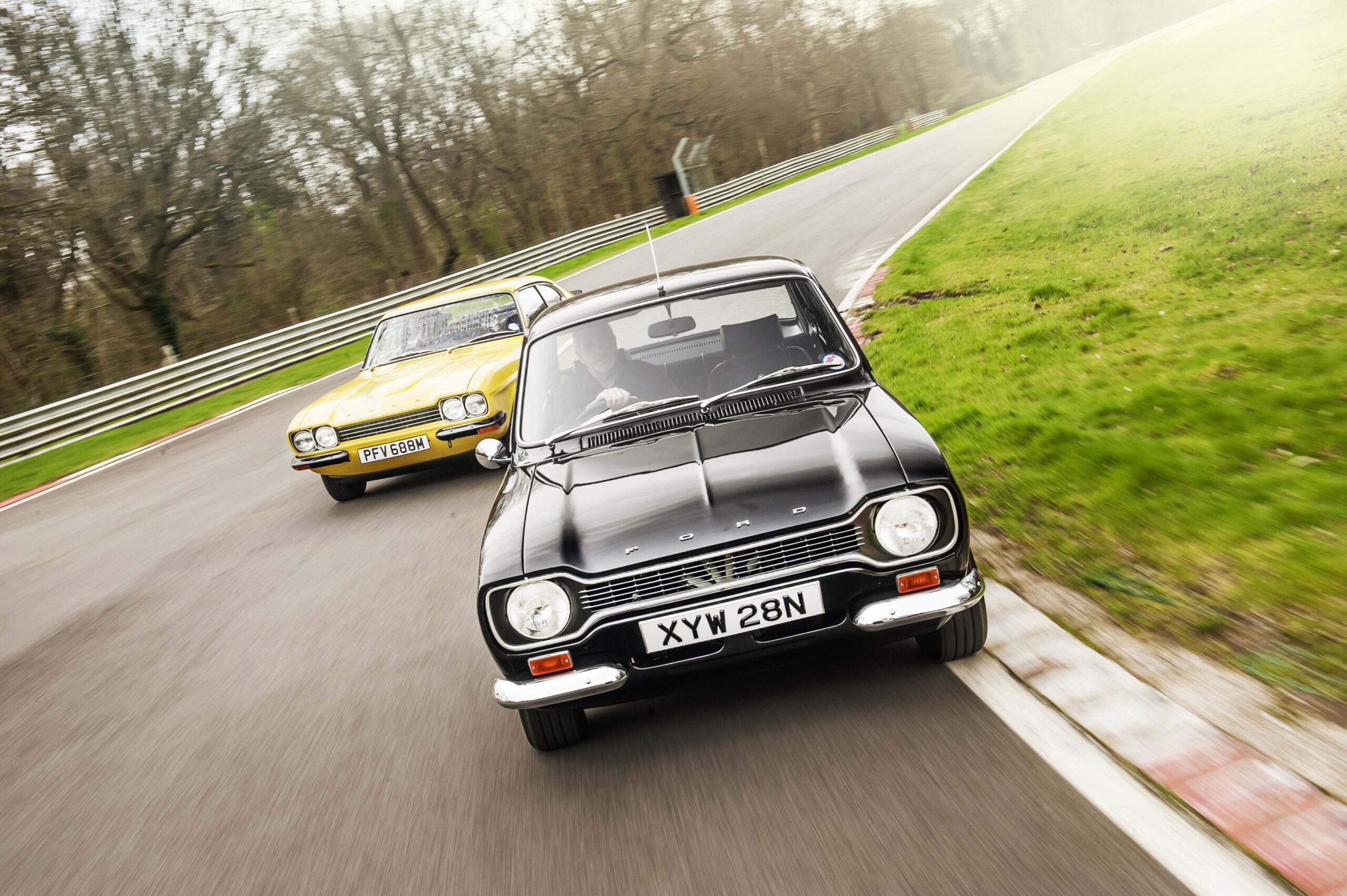
But just as it did in ’74 the boisterous Ford Escort, with its phenomenally communicative controls, storms in once more to upset the equation.
Then there’s the bargain that is the Triumph Dolomite Sprint, still under-appreciated both on the road and in terms of track achievements, and still delivering the goods. Finally, the lovely Opel Commodore GS/E with its CS-matching pillarless coupé aesthetics and disdain for anything as mundane as dynamics.
If it were a straight shoot-out between CSL and Capri, it’d be the BMW by a nose for me; but it’s not and for a combined sum some way south of the best example of a CSL I’d be able to have the Escort RS2000 with an Opel chaser. While I appreciate a well‑engineered car this would give me both the most involving, and relaxing, driving experiences, kudos aplenty and change in my pocket – manna from heaven for a petrolhead Scotsman.