
Mojo
Presents
“I Think We Accomplished Our Mission”
From the trenches of Horses’ 40th Anniversary tour, Patti Smith reaches out: to Lord Byron, Robert Mapplethorpe, Nick Cave’s tragic son Arthur, and beyond, to the whirlwind woman who changed rock’n’roll in 1975. “I’m a nice person,” she tells Martin Aston, “but when I pick up my electric guitar, I’m not so nice!”
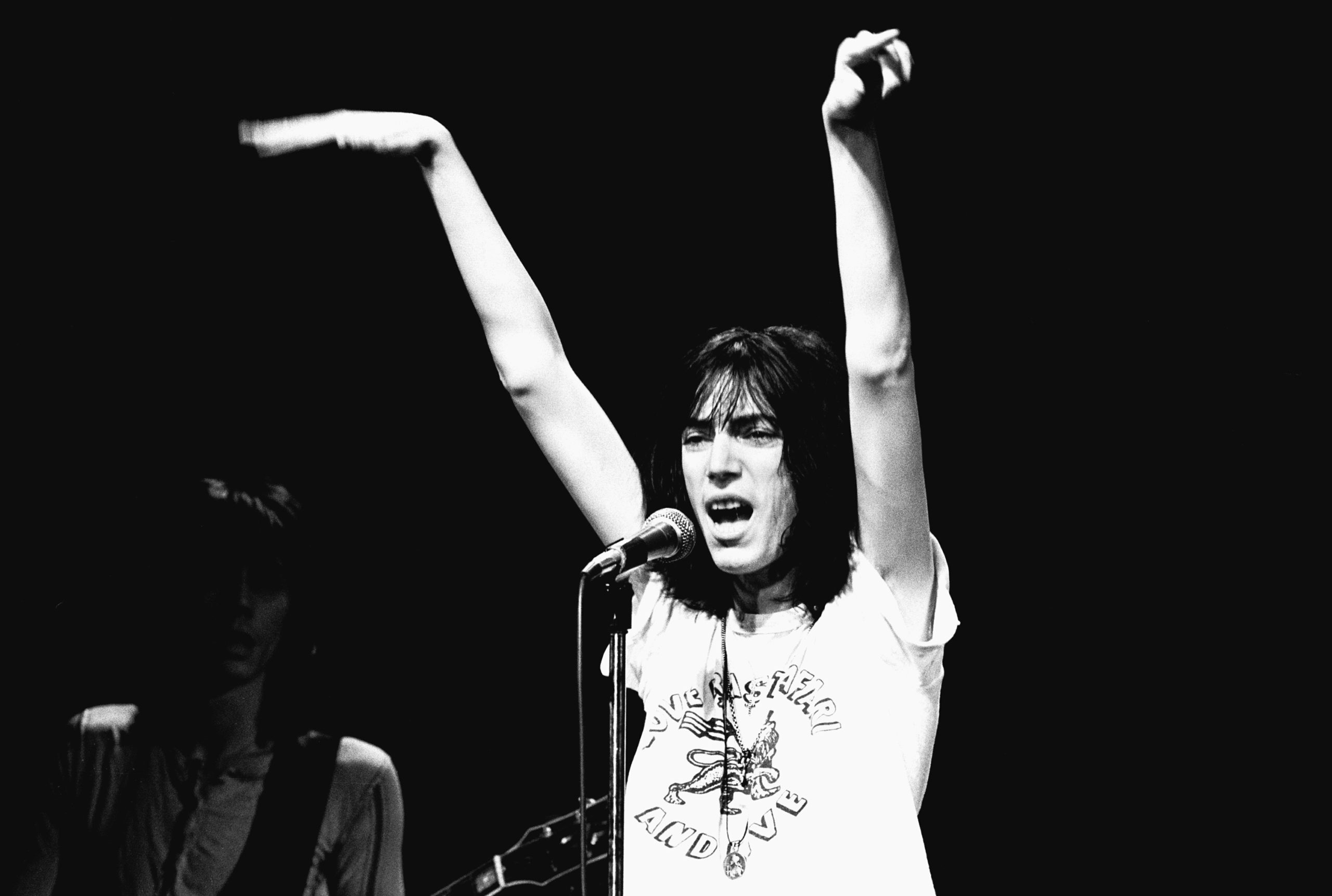
The tour manager says to ask for Patricia Smith’s room at Portovenere’s Grand Hotel, the singer’s latest port of call on Horses’ ongoing 40th Anniversary tour. “But please call her Patti.” Further instructions: “A quick hello greeting and directly to questions, no chit-chat.”
“I never thought I’d be doing a second record. I fully expected to go back to the bookstore.”
How has Horses’ 40th anniversary tour been panning out?
Beyond my expectations. Audiences have been so receptive everywhere. There have been many people under 25, who seem to know all the words, who give us lot of energy.
You celebrated the album’s 30th anniversary too; has your relationship with it changed in the interim?
We didn’t tour Horses at 30; we only did a handful of shows. It was really by accident. I was walking in New York, and a kid of about 20 said hello, and told me next year will be Horses’ 40th anniversary, were we planning something special? I hadn’t even contemplated it until then. But Lenny and I are pressing 70. We’ve reached many milestones together, alongside the band, so it seemed a perfect time to celebrate our lives together and the many friends and colleagues who are no longer here. By maintaining a sense of balance and the grace of God, some of us are, we’re strong. It’s like that Jimi Hendrix line I love: “Hurray, I wake from yesterday.” We awoke, we’re still working. So it’s a celebration of life and vitality as well as the album.
Let’s play Word Association. I say Horses…
For me, it begins long before the record, with the inception of a poem I wrote called Oath when I was around 20, that began, “Jesus died for somebody’s sins but not mine.” It was my statement of independence from being fettered by any particular religious institution, not any statement against Jesus Christ. That’s the start of my evolution as a young person that got me to *Horses.
Was it daunting, the prospect of laying down these songs for posterity?
We had two challenges. I wasn’t trained to be a musician. I had no desire to be one. So I had to wrap my head around the idea that we were freezing a performance, because I like the spontaneity of the moment. But also we’d evolved without a drummer – we’d only had Jay Dee [Daugherty] for a couple of weeks – so we had to work out the songs with drums in the studio, and in less than six weeks. We were young, so there was no fear, only to produce something mediocre and unworthy to put out into the world. It helped being shepherded by John Cale, who comprehended the situation. He’s an artist and I was a young artist, so we locked horns, but he understood me better, and I comprehended that he was a good shepherd. I think we accomplished our mission, by doing the absolute best we could at that point. I didn’t know how to do better, having had no studio experience, and being keen on presenting an album that was authentic and sounded like us. I don’t have any regrets. I understand its flaws, technical or otherwise, its hubris… If you see flaws, then do something new, try to evolve.
Horses’ finale, Elegie, must be hard to sing, given who you’ve lost over time.
It’s increasingly harder. It was originally for Hendrix, and also Brian Jones, Jim Morrison, Janis Joplin, these people we felt such a loss for. It was written with [one-time Patti boyfriend and Blue Öyster Cult member] Allen Lanier, who was a beautiful person – he passed away recently. We also lost my husband Fred, my brother Todd, who was head of my road crew, all four Ramones, Joe Strummer, Jim Carroll. We keep adding names. Ornette Coleman just died and he was a good friend, John Nash the mathematician, Nick Cave’s son Arthur. I didn’t know him but I’m a mother, that’s been one of the most painful. I’ve added his name to the list I call out just to hear it resonate in different places. People respond with such love, and some get loud cheers, like Lou Reed, and some people don’t know, which doesn’t matter, they’re just symbols of many, many different people. But the field keeps growing, and specifically within our burgeoning camp. But we’re celebrating these people, it’s not all sad. It keeps their energy and life force around. So performing Elegie is difficult, but also liberating.
“Arista didn’t like the Horses cover at all. They thought it was too masculine, that my hair was a bit messy.”
“I was walking in New York, and a kid of about 20 said hello, and told me next year will be Horses’ 40th anniversary, were we planning something special?”
Dancing With Ghosts
A Patti Smith Discovgraphy by Martin Aston.
Horses

(Arista, 1975)
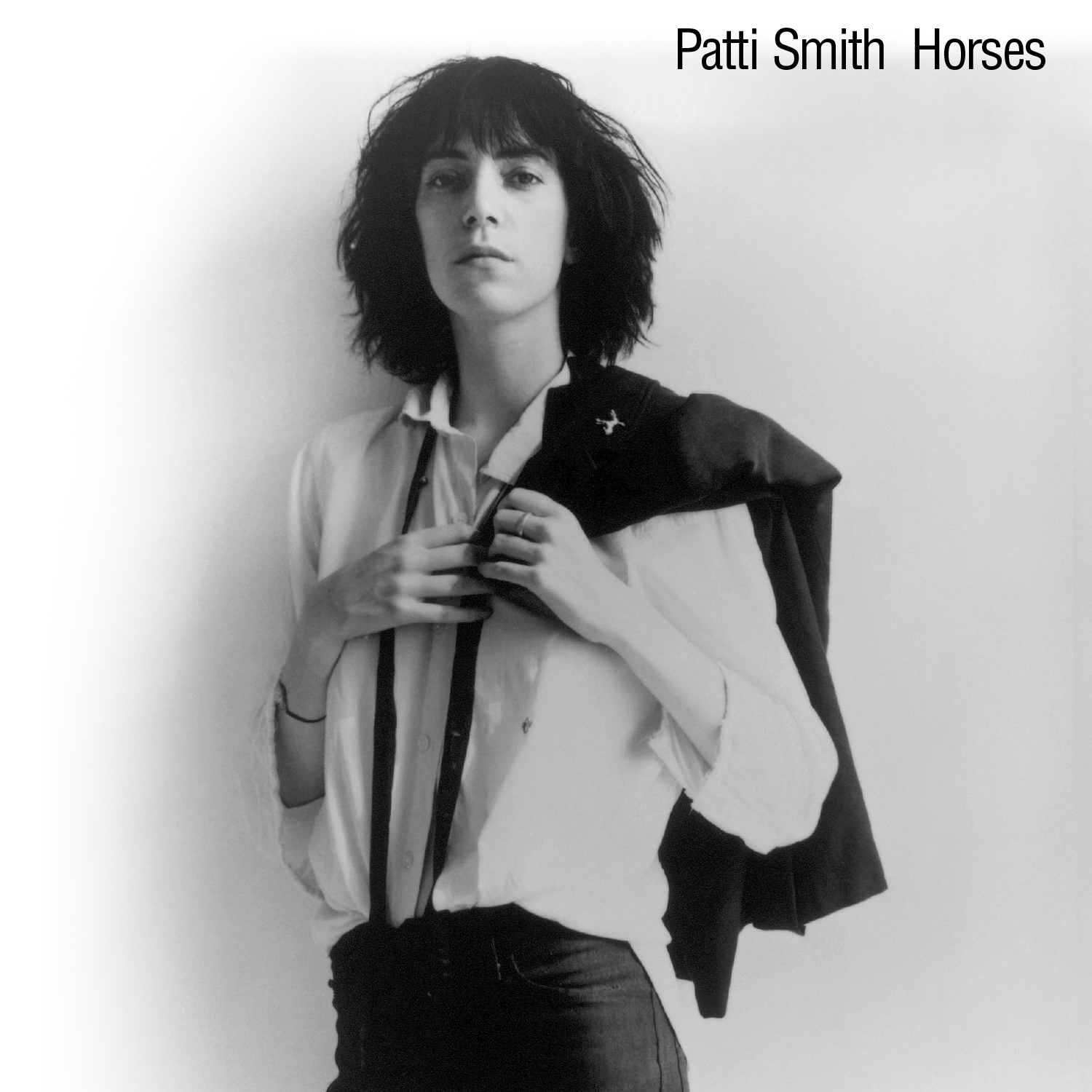 With her “nose in flames,” Smith and her equally probing, ratchety band nailed an incendiary debut. Built on Land and Birdland’s extended improvs, around which a wiry rock’n’roll *in excelsis took myriad forms – garage, reggae, torchsong, Doorsy drama, *Horses remains arguably the only successful poetry’n’roll fusion – and *what a success.
Radio Ethiopia
(Arista, 1976)
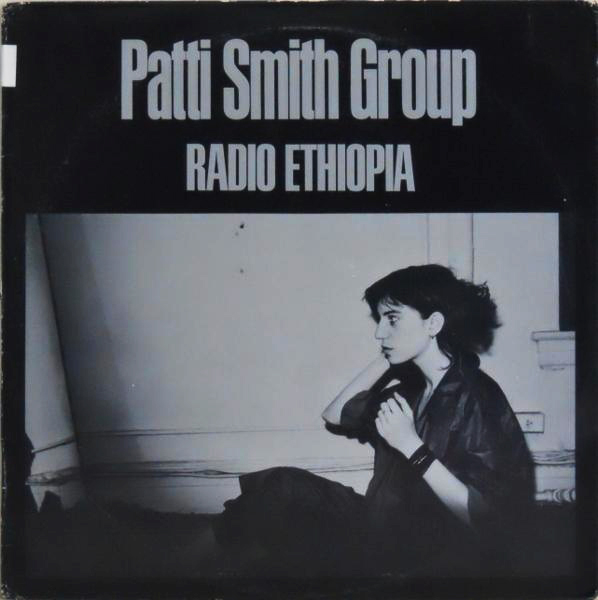 Swopping “intuitive” John Cale for hard rock producer Jack Douglas, Smith traded naivety for toughness. The title track showed untrammelled improv could also be a dead end, but the rockers were – unsurprisingly – more concrete and authoritative, Ain’t It Strange unfurled like a snake in a trance and still no one could match Smith’s fevered re-coding of rock’n’roll possibilities.
Easter
(Arista, 1978)
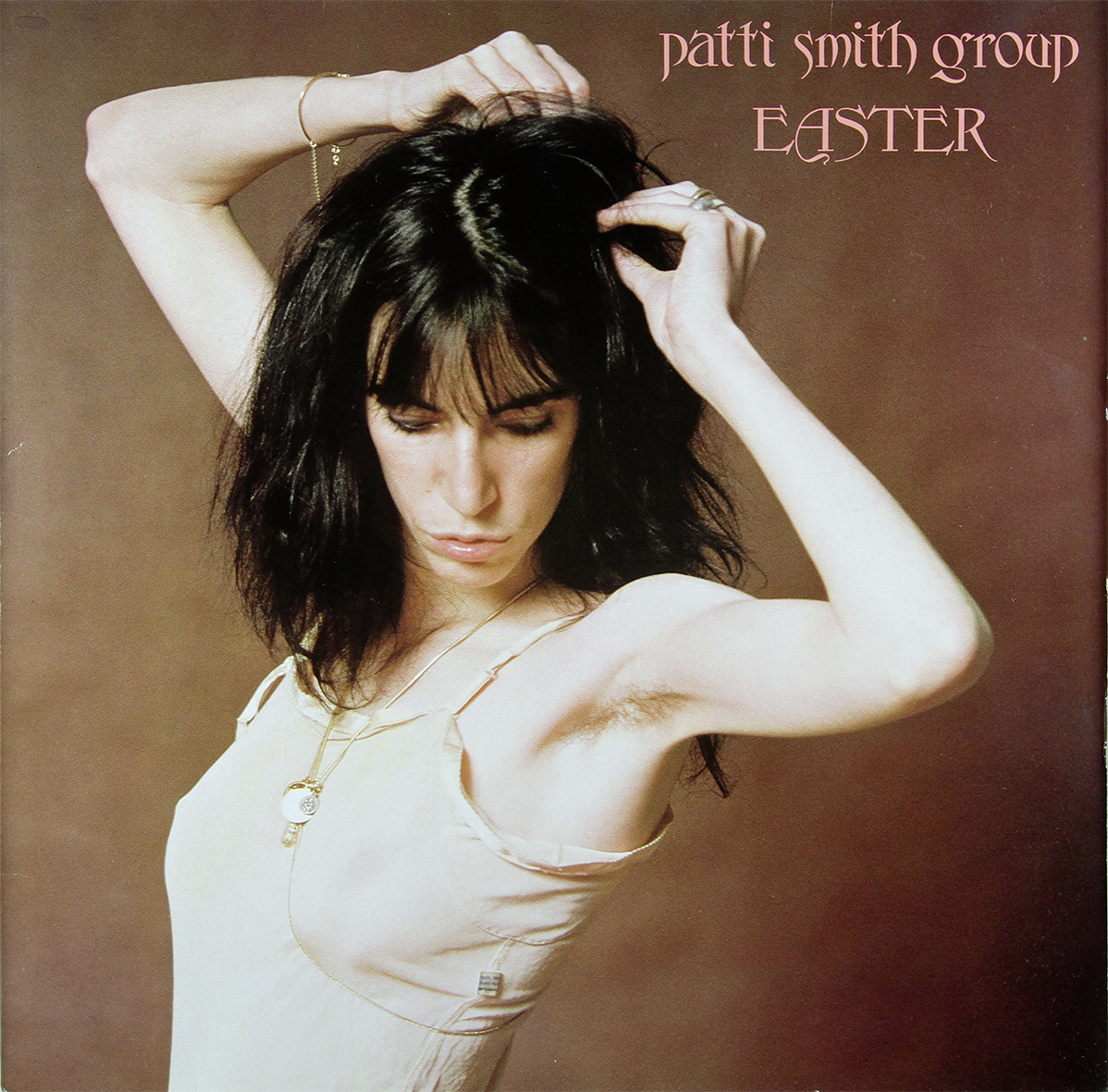 The commercial ante was upped by Springsteen co-write Because The Night and producer Jimmy Iovine, who created a more sanded, streamlined PSG with no improv this time around. Yet Babelogue’s spoken-word charge, bleeding into an enthralling Rock’n’Roll Nigger, were hardly compromises: likewise Smith’s armpit hair on the cover, whose portrait nailed the sexy leanness within.
Wave
(Arista, 1979)
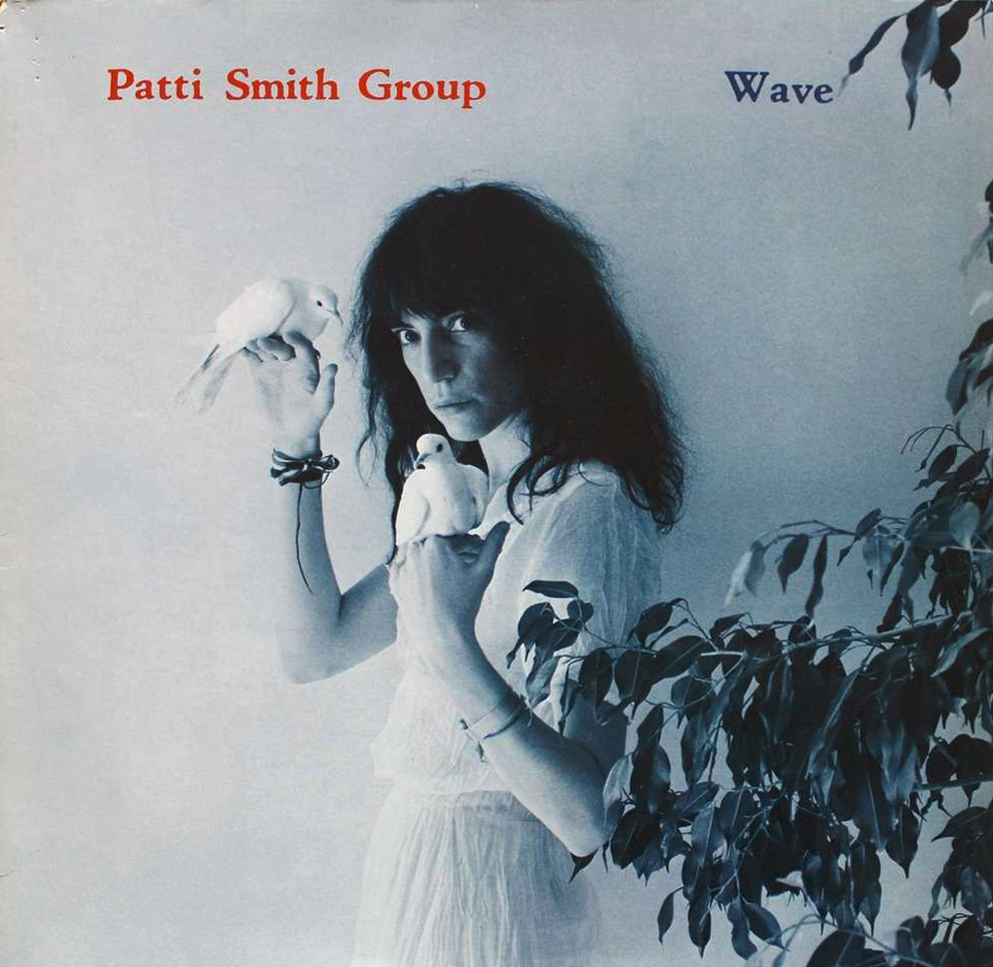 Smith said she never courted the mainstream but Wave begs to differ. Genet might have been quoted on the artwork but Todd Rundgren was at the controls. But Dancing Barefoot and Revenge are the only tracks that would make a Best Of, while the cover of So You Wanna Be A Rock’N’Roll Star suggests Smith was questioning her values. Her last album for nine years.
Dream Of Life
(Arista, 1988)
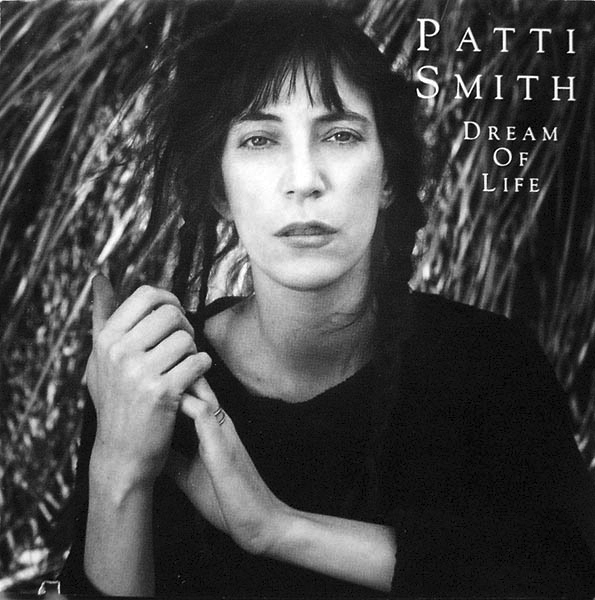 New hubby Fred ‘MC5’ Smith co-produced (with Iovine) and co-wrote Patti’s ‘comeback’, handling guitar parts but creating a dodgy keyboard-y sheen, part of his plan to get Patti a gold record – as was anthem-in-waiting People Got The Power. But in place of friction, we get endearing warmth: domesticity and parenthood had mellowed her, though the voice sounded fully grown, commanding.
Gone Again
(Arista, 1996)
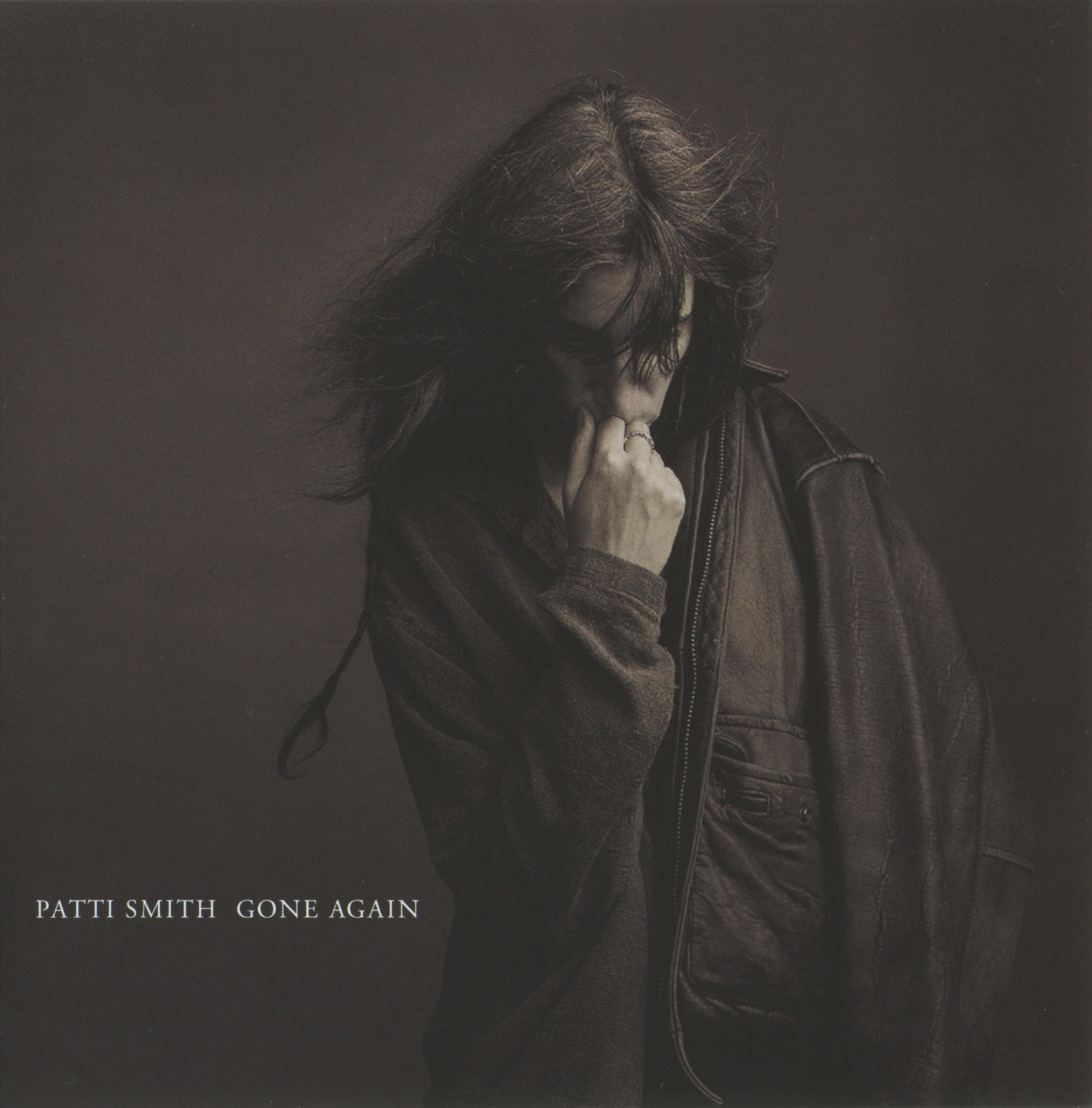 A widowed Patti returned to Lenny Kaye’s side, but also new young blood Oliver Ray. No gold-record drive (nor name producer) here, only a burning need to grieve over husband Fred, brother Todd, soulmate Mapplethorpe, PSG’s Richard Sohl and an emblematic Kurt Cobain, commemorated in the scorched meditation on About A Boy. The towering comeback fans craved.
Peace And Noise
(Arista, 1997)
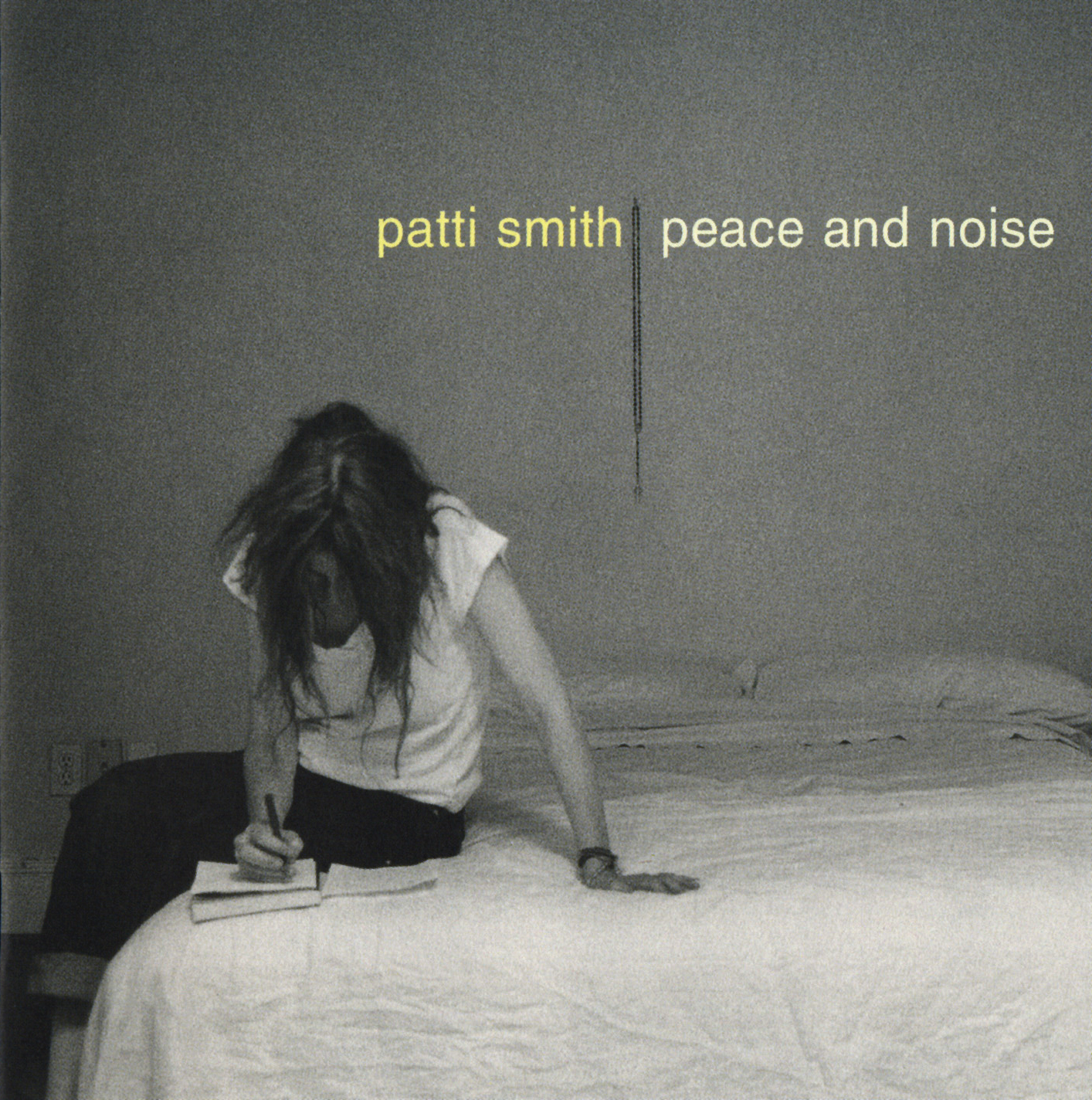 Understandably less scarred than Gone Again, but a second album in two years confirmed the urgency and focus that first gave her artistic life had been restored. Likewise the twin charging incantations Death Singing and a ten-minute Memento Mori, the latter her first convincing full-blooded improv in 20 years.
Gung Ho
(Arista, 2000)
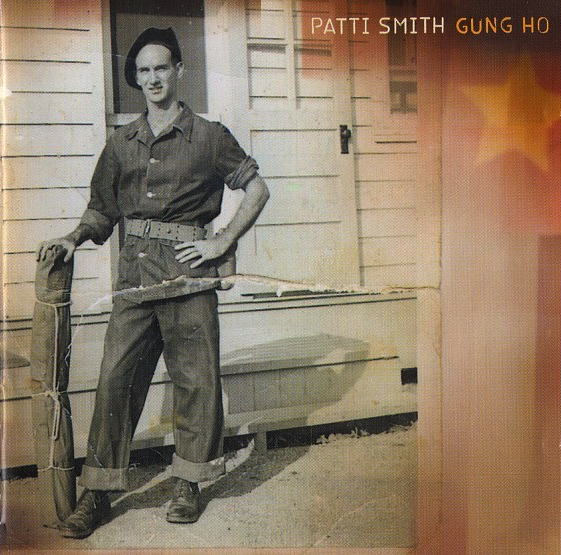 Post-People Have The Power, Smith embraced the role of concerned Mother Earth, but this time she was angry and bewildered. Gung Ho’s title and the fraught, Doorsy title track, plus New Party and Upright Come, were a looonng way from Piss Factory’s youthful brio and *Horses’ freeform mania, but she was 54 years old, so give her a break!
Trampin’
(Columbia, 2004)
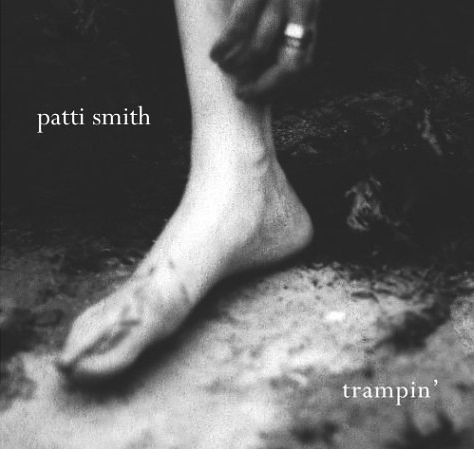 There’s not much intrinsically wrong with Trampin’, except it’s the point where fans might have craved something looser, more naked and wired, or even some kind of left-field reinvention, rather than the way it retraces every Patti trope, down to the 12-minute Radio Baghdad, without advancing any of them.
Twelve
(Columbia, 2007)
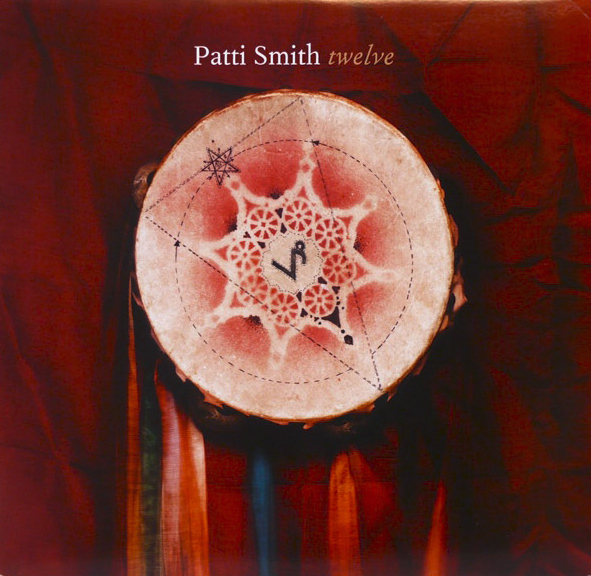 Perhaps aware of Trampin’s sense of routine, an album of covers was one response, but it wasn’t the answer. Oliver Ray’s absence means the PSG sounded leaner again, but these Hendrix, Doors, Dylan, Stones and Nirvana covers never quite lift off. Likewise Tears For Fears’ Everybody Wants To Rule The World, but at least it was an oddball selection.
The Coral Sea
(PASK, 2008)
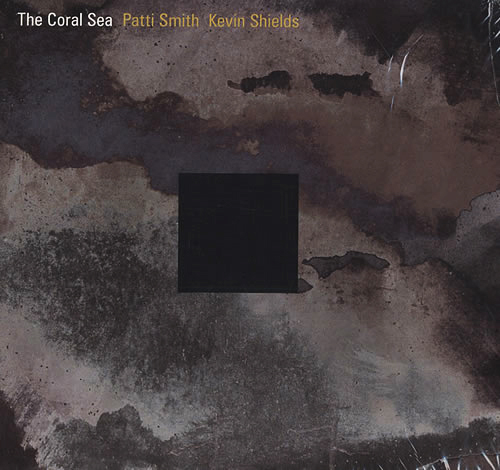 Finally, a sea change. Recorded over two nights at London’s Festival Hall, Smith read her first Robert Mapplethorpe memoir, a poem written in 1996, over Kevin Shields’ suitably deliquescent, improvised guitar. It’s a fine marriage: futuristic pedal steel aping the ebb-and-flow of waves beneath Smith’s verbal phantasmagoria, equal parts agony and ecstasy.
Banga
(Columbia, 2012)
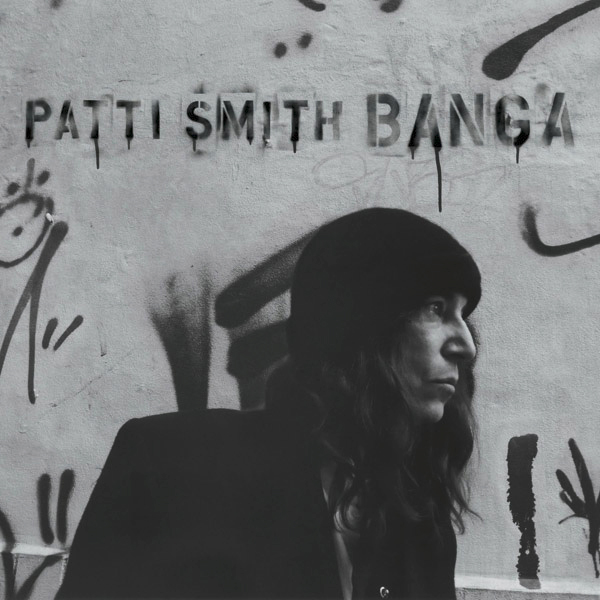 After acting, publishing photographs and her Mapplethorpe-and-me prose memoir Just Kids, Banga reinforced the dawn of a new phase: more pensive, dreamier and less didactic – even the habitual lengthy improv Constantine’s Dream rarely broke a sweat. For all the sad notes in Smith’s voice, maybe she’d finally found a chink of peace after all the grief and rage.
Images: Getty