
BUFFALO SPRINGFIELD
Created by fate, destined to crash’n’burn, Young’s first major band was a collection of “geniuses” who mixed up country, rock and pop – and launched two its members skywards.
Words: VICTORIA SEGAL
RELEASED: December 5, 1966 / LABEL: ATCO / CHART: – (UK) | 80 (US)
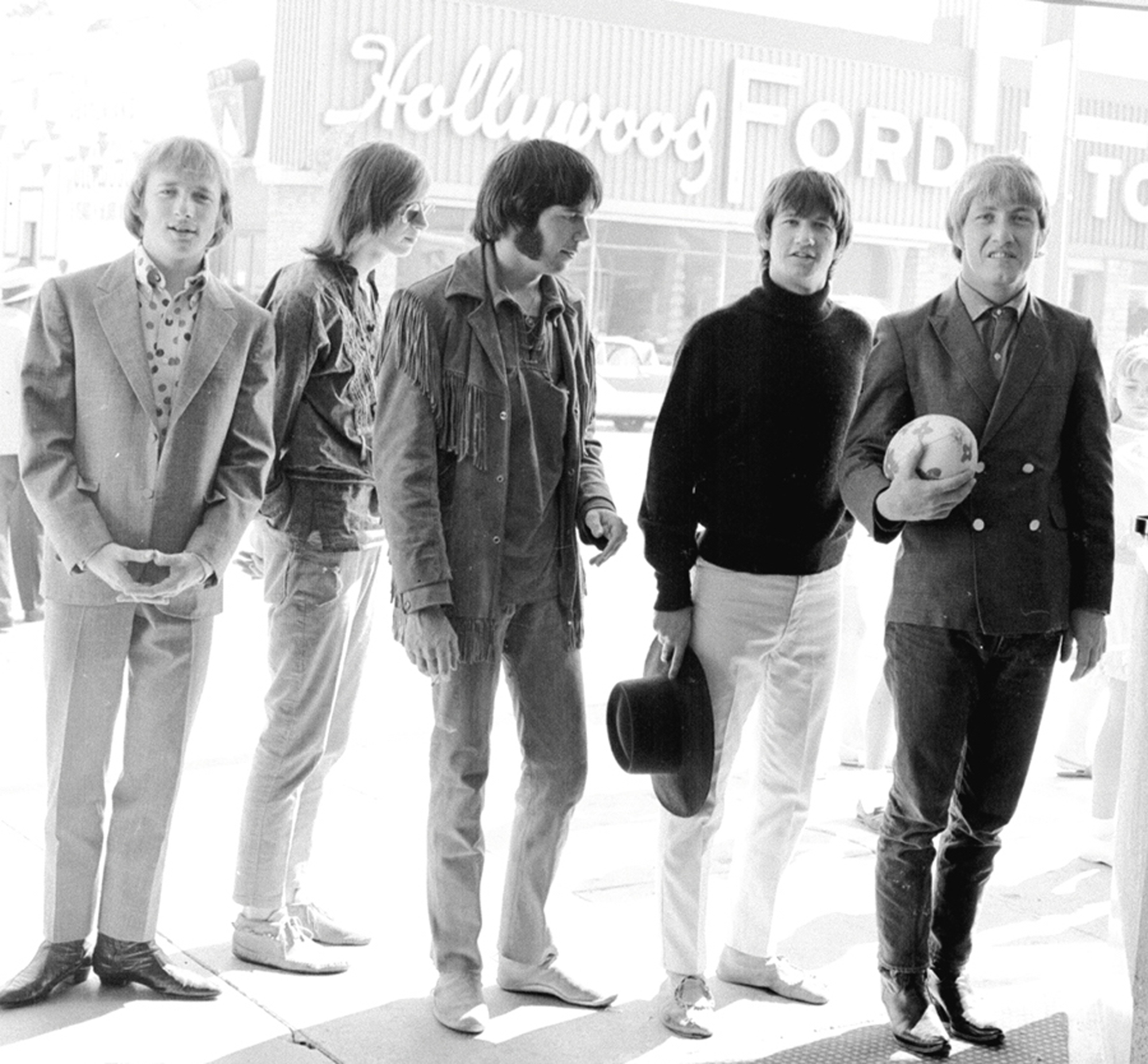
Touch down: Buffalo Springfield (from left) Stephen Stills, Bruce Palmer, Neil Young, Richie Furay, Dewey Martin, Hollywood, August 1966.
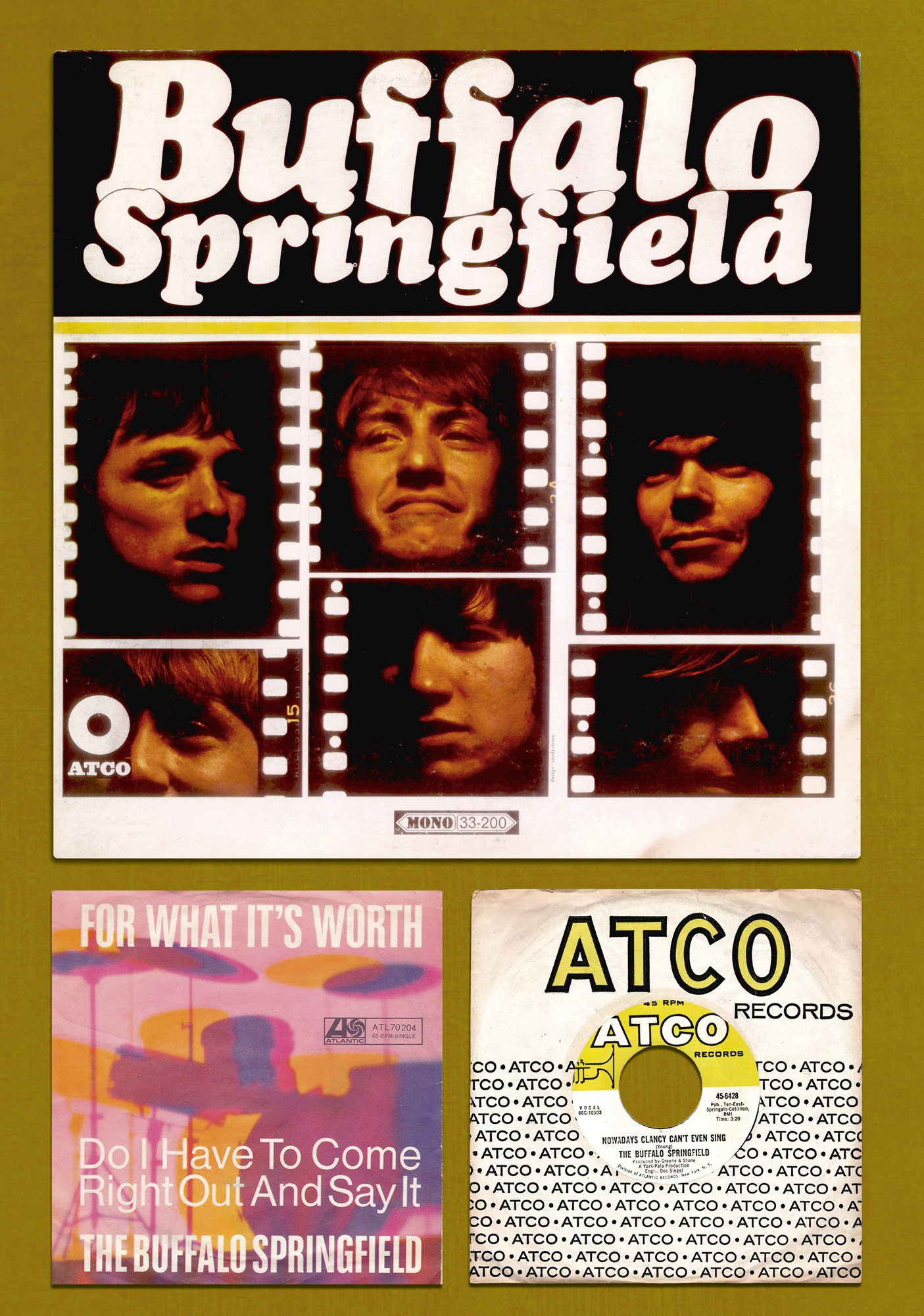
IT WAS A DECISION that pleased no one. In August 1966, Buffalo Springfield were persuaded by their record label to release Neil Young’s mournfully elliptical composition Nowadays Clancy Can’t Even Sing as their debut single. The band’s co-founder Stephen Stills had good reason to believe that Young’s ode to creative disenfranchisement might have worked better as a B-side to one of Stills’s own more easily elegant songs – Sit Down I Think I Love You, maybe, or Go And Say Goodbye. The track’s writer, meanwhile, was aggrieved to be told by Charles Greene and Brian Stone, the producers of Buffalo Springfield’s self-titled first album, that his voice wasn’t right for his own song and that fellow vocalist and rhythm guitarist Richie Furay would be the smoother choice. Sharply ironic, considering this was a song that questioned the rules and group-think obstructing individual self-expression. “Who’s putting sponge in the bells I once rung?” the lyrics ask. This time, Young’s voice would be muffled.
Frustration, blocked exits, sudden U-turns: Buffalo Springfield’s trajectory was never frictionless. In 1964, Young had written Sugar Mountain, a song about being frozen out of youth’s prelapsarian bliss by time’s passing; melodramatic, given he was 19, but the fear of becoming increasingly severed from fulfilment and meaning was one to which Young was acutely sensitive.
He had already served time on Ontario’s “circuit” in his hard-working Winnipeg band The Squires, first meeting Stills when his group Company played at Fort William coffee house The Fourth Dimension. The Squires disintegrated on contact with encroaching adulthood and next-step pressures, while Young’s solo audition with Elektra in New York in December 1965 had been a morale-crushing failure, partly triggering Nowadays Clancy Can’t Even Sing’s old-country bitterness.
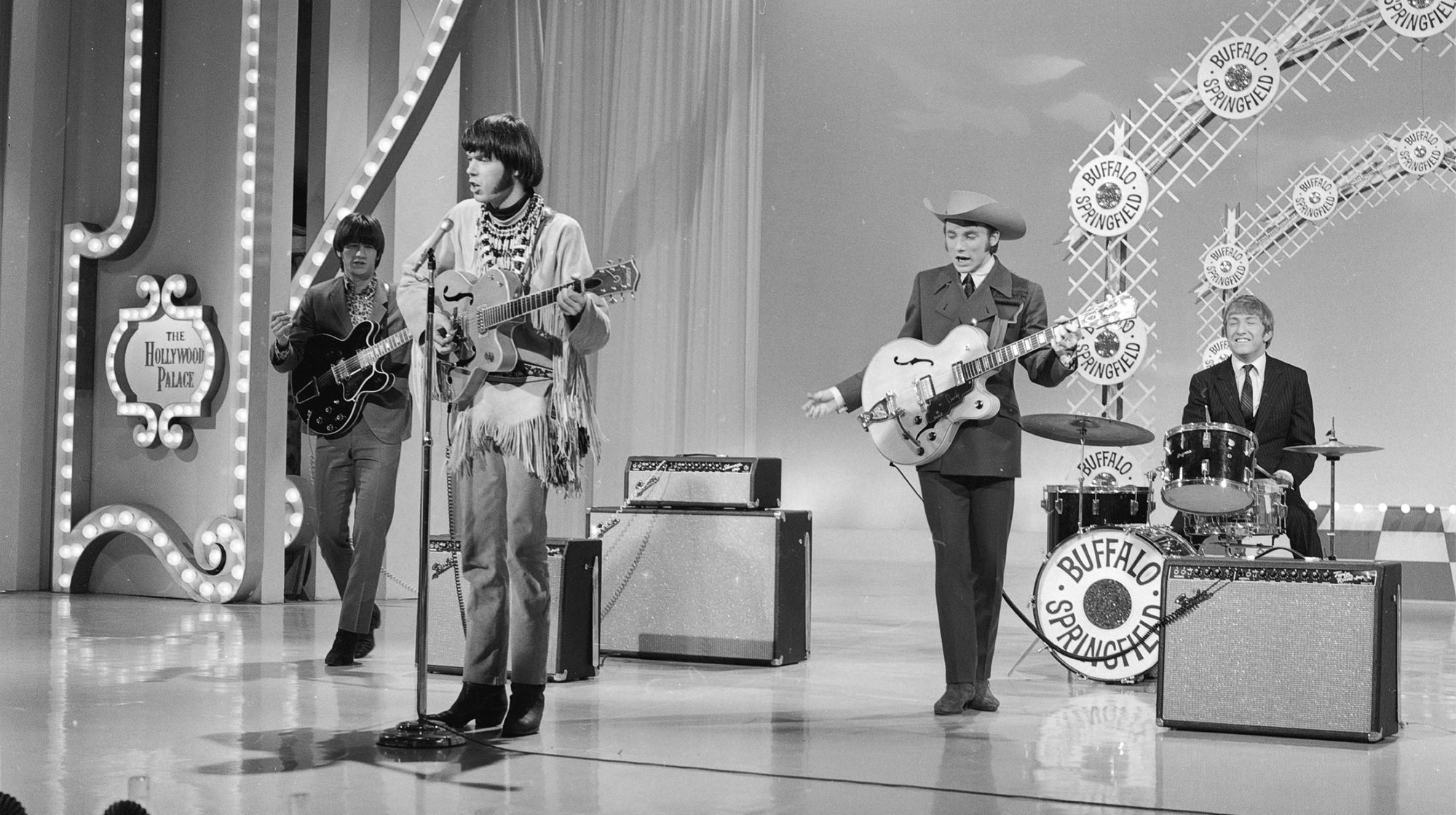
Burned: Young steps up for Mr Soul on The Hollywood Palace TV show, April 8, 1967
In January 1966, there was another fools-gold flash when Young was introduced to Toronto band The Mynah Birds and replaced their guitarist Tom Morgan. The prospect of a single and album on Motown Records, however, was destroyed when their grudge-bearing former manager revealed to the label that their frontman – Ricky Matthews, later ’80s funk superfreak Rick James – was AWOL from the navy.
Thwarted, Young and Mynah Birds bassist Bruce Palmer bought the second of Young’s hearses – the first was called Mortimer Hearseford – and headed to Los Angeles, where they believed “all the music was happening”. Yet unable to find a foothold – or indeed Stills – Young and Palmer decided to strike out for San Francisco’s hippy seedbed instead.
BUFFALO SPRINGFIELD’S ORIGIN story now comes with the rainbow glitter of a rom-com meet-cute. As Young and Palmer were driving Mort 2 out of Los Angeles, they heard somebody calling from a car in the opposite lane: it was Stills. They stopped and hugged in the road. “Buffalo Springfield was an accident that was waiting to happen for both of us,” said Stills in 1994. “One of those marvellous accidents of fate.”
Coins and dice were still not entirely loaded in their favour, though. Even with a name suggesting both workhorse functionality and modish olde-world Americana, Buffalo Springfield were already a little behind the folk-rock curve – The Byrds had released their Mr Tambourine Man in June 1965 – but not quite ready to transition into psychedelia. Their debut album – recorded across the summer of 1966 at LA’s Gold Star Studios, is at times slightly airless. The guitar creases are ironed into Stills’s Sit Down I Think I Love You; Pay The Price sounds like a self-consciously groovy Run For Your Life. Alongside For What It’s Worth (a hit single in spring ’67), Everybody’s Wrong’s attempt at defying the man lacks danger, despite the final rebellious clang.
If the harmonies are perfectly arranged on Young’s Do I Have To Come Right Out And Say It? (sung with Furay’s matinee-idol suavity), though, there’s a note of strange anxiety, “indecision is crowding me”, jarring amid the blue-velvet romanticism. It’s the unease that seeps through Nowadays Clancy Can’t Even Sing, too, or Young’s Flying On The Ground Is Wrong, barroom piano shrugging off its existential come-down. The slow collapse of Out Of My Mind, meanwhile, sounds like a premature star lament – “All I hear are screams / From outside the limousines” – but factor in the queasily anaesthetic harmonies, those cars also suggest malign influences just out of frame.
Maybe it was Green Card paranoia, then, or the worry around Young’s increasingly intense epilepsy, but Buffalo Springfield thrums with tension beyond the usual creative differences. That discomfort found its most successful sound on For What It’s Worth, Buffalo Springfield’s Top 10 single in December 1966. Added to the re-released album in March 1967, its warning against hawkish establishment powers dovetailed with the concerns of the peace-and-love generation. Inspired by the police crackdown on Sunset Strip party kids, it lands with the clarity of a good news photograph, Stills’ steady vocals and Young’s early-warning-system guitar giving it eye-of-the-storm impact.
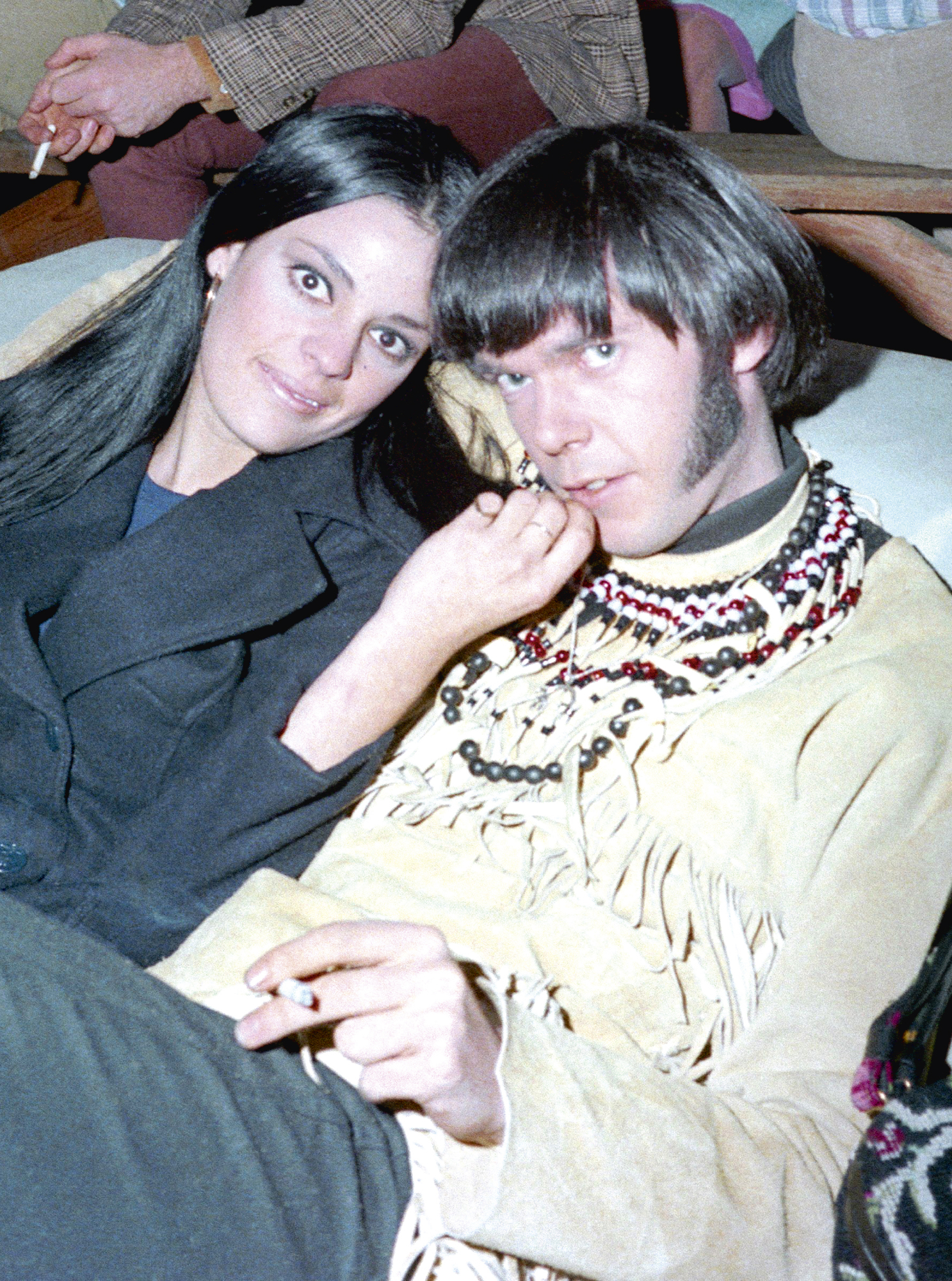
Burned: with first wife Susan Acevedo at Gold Star Recording Studios.
That unity would increasingly fall away, but Buffalo Springfield captures the moment when all band members were at least hoping to move in the same direction, expecting to fly. “Something was happening but we didn’t know what it was,” wrote Young in his autobiography Waging Heavy Peace. “It was fucking Buffalo Springfield, that’s what it was.”
TRACKS
Go And Say
Sit Down I Think I Love You
Leave Nowadays Clancy Can’t Even Sing
Hot Dusty Roads
Everybody’s Wrong
Flying On The Ground Is Wrong
Burned
Do I Have To Come Right Out And Say It
Baby Don’t Scold Me
Out Of My Mind
Pay The Price
Buffalo Springfield Again
RELEASED: October 30, 1967 / LABEL: ATCO / CHART: – (UK) | 44 (US)
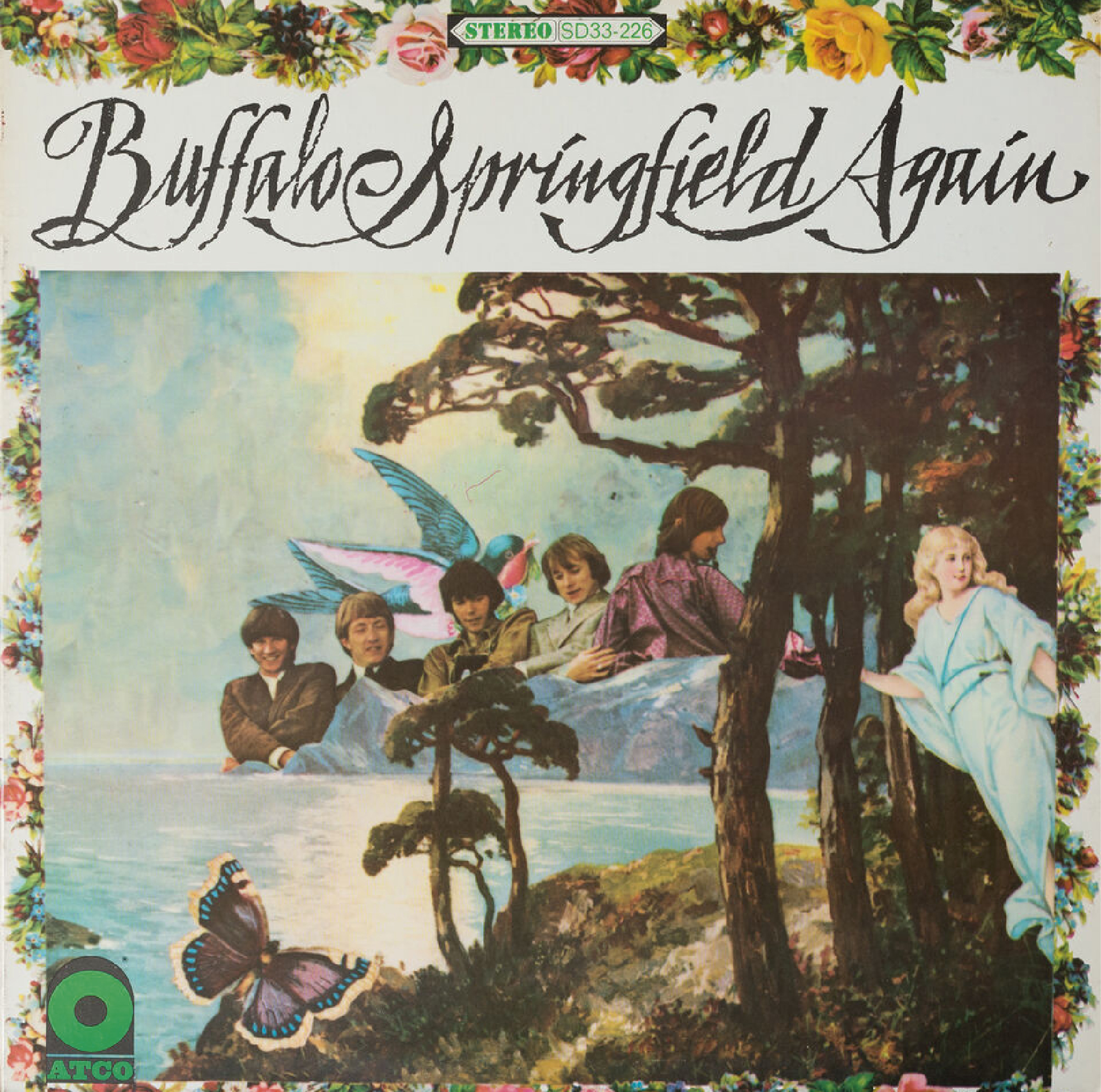
Whatever magnetic force drew Buffalo Springfield together for their debut had weakened by their second album, the band’s structure threatened by the marijuana-related deportation of bassist Bruce Palmer and by Neil Young’s repeated departures (he missed the Monterey Pop Festival). Accordingly, Buffalo Springfield Again – the title alone suggests weariness – emerged from nine slow months of increasing creative insularity. Yet despite its difficult gestation and diffuse tracklisting, the album unrolls in a glorious free-ranging rush, its new psychedelic energies apparent from Young’s ominous opener Mr Soul, inspired by his epilepsy. Young pushes furthest out with the grand mystic heartbreak of Expecting To Fly, recorded with arranger Jack Nitzsche and Wrecking Crew musicians, and Broken Arrow’s clairvoyant collaging, but everyone’s on form, whether it’s Stills with the buzzy love bead psych-pop of Bluebird or Richie Furay with the Young-baiting A Child’s Claim To Fame. Buffalo Springfield wouldn’t hold them much longer, but for a moment, everything – and everyone – was in the right place.
Side 1 Mr. Soul / A Child’s Claim To Fame / Everydays / Expecting To Fly / Bluebird
Side 2 Hung Upside Down / Sad Memory / Good Time Boy / Rock & Roll Woman / Broken Arrow
Last Time Around
RELEASED: July 30, 1968 / LABEL: ATCO / CHART: – (UK) | 42 (US)
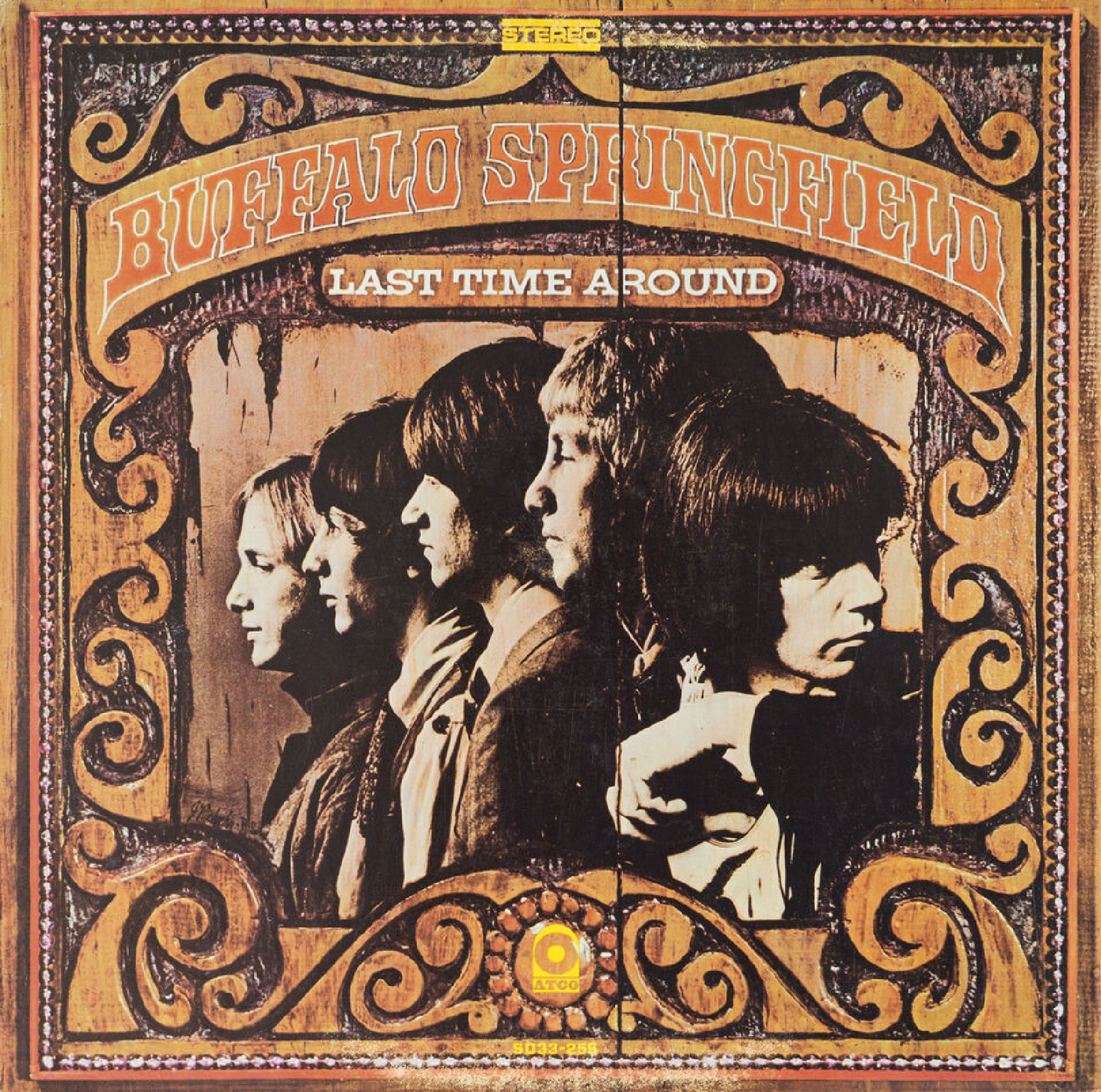
Effectively a posthumous album compiled after Buffalo Springfield’s fractious dissolution in May 1968, Last Time Around has high points – Furay’s country cousin Kind Woman, Young’s tender I Am A Child – but only On The Way Home’s burnished R&B features the full five-piece. By 1975, though, Young was feeling benign: “Everybody in that group was a fucking genius at what they did…”
Side 1 On The Way Home / It’s So Hard To Wait / Pretty Girl Why / Four Days Gone / Carefree Country Day / Special Care
Side 2 The Hour Of Not Quite Rain / Questions / I Am A Child / Merry-Go-Round / Uno Mundo / Kind Woman
Getty (2)