
Mojo
The List
Every Thin Lizzy Album Ranked From Worst To Best
MOJO runs down every studio and live album from hard rock’s melodic street fighters.
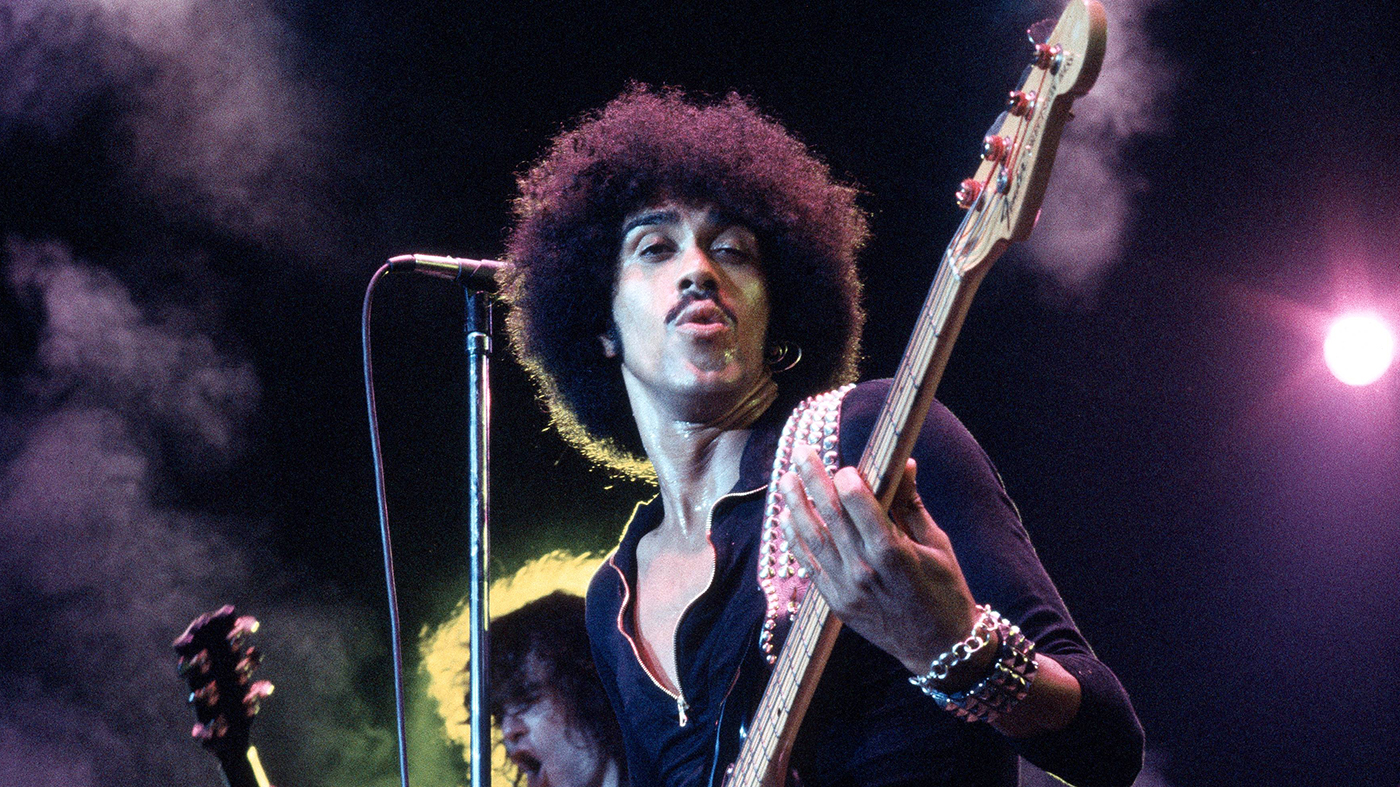
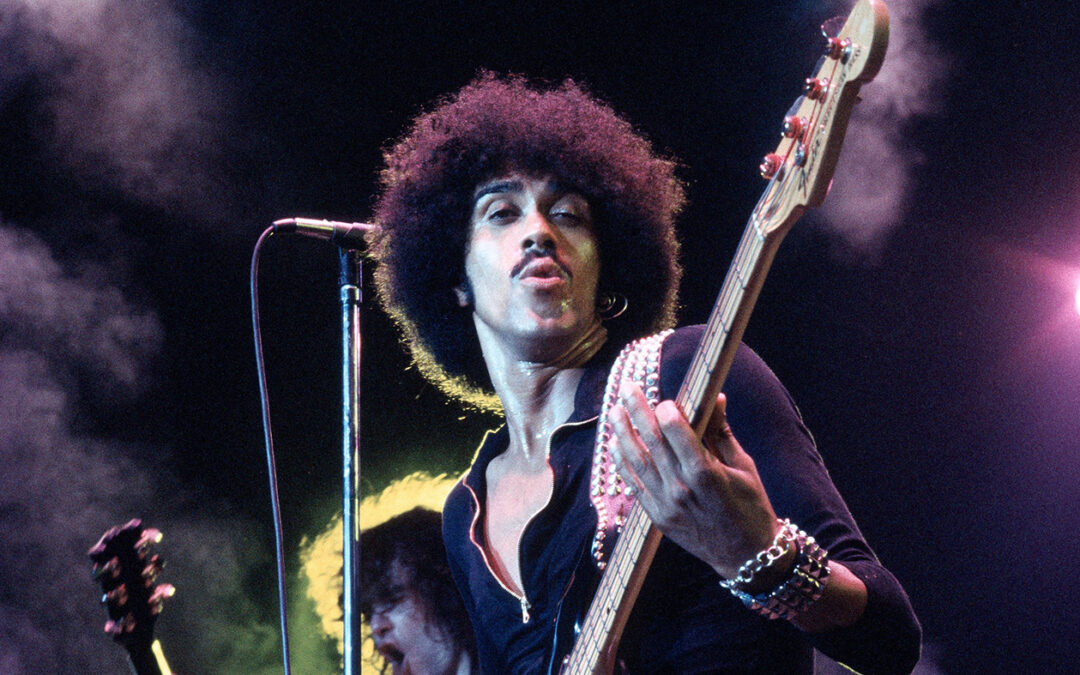
Perhaps it was John Peel who described Phil Lynott best. Writing in the mid-‘70s, he portrayed Thin Lizzy’s leader as “part rakish lover, part football hooligan, part incurable romantic, part historic warrior”, and added, with more characteristic understatement, “He has written some good songs.”
Philip Parris Lynott was everything Peel said he was and more. Ireland’s only black rock’n’roll hero, Lynott was a uniquely complex character: a bad mo’fo with a poetic flair, a street survivor with a self-destructive streak, a charmer and a brawler, a leather-clad rocker with a modernist sensibility.
Born in 1949 in Birmingham, Lynott was raised in Dublin by his white Irish mother Philomena after she separated from his father Cecil Parris, a black American serviceman. As a mixed-race child with a single parent, Lynott quickly learned how to look after himself. As Thin Lizzy’s Californian guitarist Scott Gorham later noted, “He was a fighting guy, Phil.” His hard-man aura would inform many of Thin Lizzy’s greatest songs, including the classic 1976 hit single The Boys Are Back In Town.
Lynott formed the band in 1969, naming it after a cartoon character in The Dandy: Tin Lizzie, the Mechanical Maid (it was altered to ‘Thin Lizzy’ as a joke on the Dublin brogue). Originally a trio featuring lone guitarist Eric Bell, Thin Lizzy scored a UK hit in 1973 with a rock remake of the Irish traditional song Whiskey In The Jar, but it was with the twin-guitar harmonies of Gorham and Scotsman Brian Robertson that the band defined its sound.
In the late ‘70s, Thin Lizzy became one of the world’s premier hard rock acts, releasing the iconic albums that would inspire future stars such as Def Leppard, Metallica and Guns N’ Roses. But by 1983 Lizzy’s popularity was waning, and Lynott split the band. Many, including Scott Gorham, believed Lynott always intended to reform Thin Lizzy at some stage, but on January 4, 1986, the effects of prolonged drug addiction led to Lynott’s death from multiple organ failure at the age of 36. 40 years on, a bronze statue of Phil Lynott stands in Dublin. A monument to a rock legend. In tribute to Lynott, MOJO’s Paul Elliott runs down every album he recorded with Thin Lizzy…
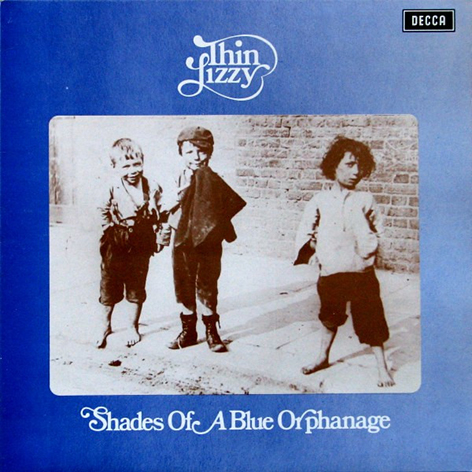
14. Shades Of A Blue Orphanage (DECCA, 1972)
The second Thin Lizzy album was named in memory of the three musicians’ previous bands – Phil Lynott and Brian Downey’s Orphanage, Eric Bell’s Shades Of A Blue. This might also have been the final Lizzy album, had Lynott been lured away by Deep Purple guitarist Ritchie Blackmore to form a supergroup with Free singer Paul Rodgers. The mooted name of that supergroup, Baby Face, was the title of a driving rock track that pointed to Lizzy’s future, but elsewhere on this varied album there was gentle balladry in Sarah (not to be confused with an entirely different song from 1979’s Black Rose LP) and muscular funk in The Rise And Dear Demise Of The Funky Nomadic Tribes.
Key track: The Rise And Dear Demise Of The Funky Nomadic Tribes
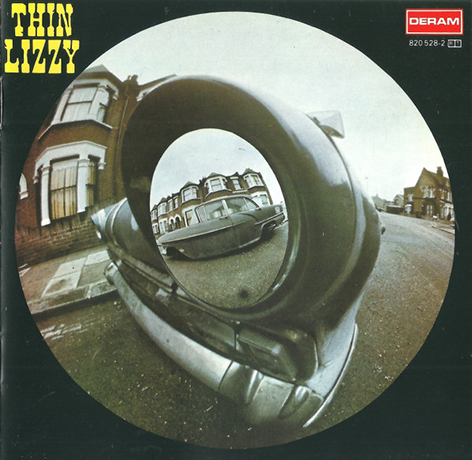
13. Thin Lizzy (DECCA, 1971)
This was not the best of starts. Unlike those classic hard rock debuts that came before and after – the ground-breakers and multi-million-sellers by Led Zeppelin, Van Halen, Guns N’ Roses and more – Thin Lizzy’s first album lacked focus. It also lacked punch. Eric Bell had one explanation as to why. “We all smoked a lot of dope,” the guitarist recalled. “We were totally bombed for the duration of that record.” With echoes of Hendrix, flavours of folk music and some complex arrangements described by Brian Downey as “almost bordering on jazz”, it was a pretty weird trip.
Key track: Return Of The Farmer’s Son
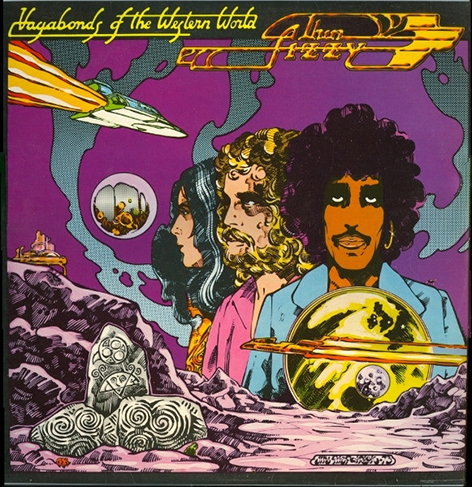
12. Vagabonds Of The Western World (DECCA, 1973)
Initially, the three members of Thin Lizzy had laughed at the idea of covering the Irish folk song Whiskey In The Jar. In 1973, when their version topped the Irish charts and made the UK top 10, pop stardom was not to Eric Bell’s liking. Frazzled by a combination of workload and lifestyle, the guitarist freaked out during a New Year’s Eve gig and quit before he was fired, leaving behind Vagabonds Of The Western World as his last album with the band. The Rocker signalled a new emphasis on high-powered riffage. The maturity in Lynott’s songwriting was evident in Little Girl In Bloom and A Song For While I’m Away.
Key track: The Rocker
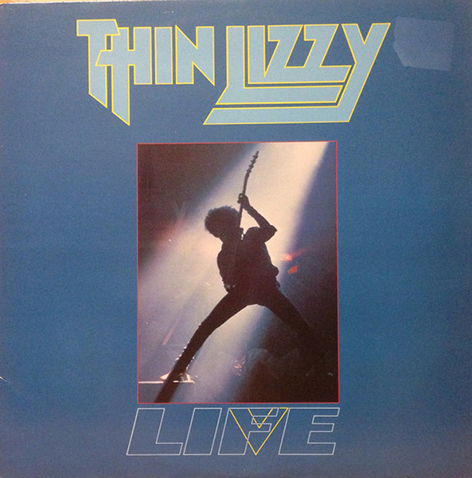
11. Life (Vertigo, 1983)
The live album culled from Lizzy’s farewell tour in 1983 was no match for the band’s 1978 classic Live And Dangerous. Even so, Life retains a certain poignancy, especially in those moments when Lynott was digging deep – singing Renegade with raw emotion. A few tracks featured on Live And Dangerous were also included on Life – undroppable crowd-pleasers such as Jailbreak and The Boys Are Back In Town. Three tracks recorded with guitarist Snowy White actually dated from 1981. But the album’s climax has the encores from Hammersmith Odeon shows in March 1983, with the final Lizzy line-up joined by three of their former guitarists – Bell, Moore and Robertson – to bow out in raucous fashion.
Key track: Black Rose
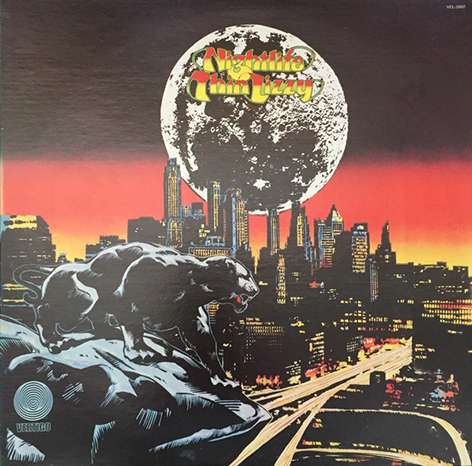
10. Nightlife (Vertigo, 1974)
On Lizzy’s first album with guitarists Scott Gorham and Brian Robertson, the standout guitar solo came from Gary Moore. After Eric Bell’s departure, Moore had joined the band for a brief period in which they recorded the song Still In Love With You, a beautiful ballad that also featured a cameo from Scottish soul singer Frankie Miller. There were other fine songs on Nightlife, notably the bluesy title track and the coolly-delivered opening number She Knows. Scott Gorham, however, felt that producer Ron Nevison had played it too safe, smoothing off the rough edges. “I thought the record was so ridiculously tame it was unbelievable.” Gorham later griped. With the next album, Fighting, the gloves came off.
Key track: Still In Love With You
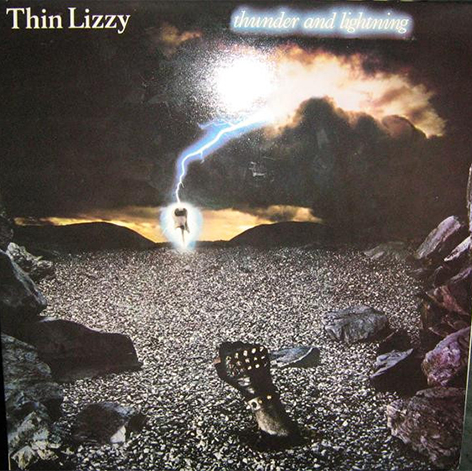
9. Thunder And Lightning (Vertigo, 1983)
It wasn’t supposed to end like this. With a young, flashy new guitarist in John Sykes (recruited from North-east band Tygers Of Pan Tang), Thin Lizzy sounded like a band reborn on Thunder And Lightning, by far their heaviest album, its belligerent mood set by a frantic title track and the menacing single Cold Sweat. But when concert dates sold slowly, Lynott announced that the band was splitting. There would be no way back. Lizzy’s farewell UK gig was at the Reading Festival in August 1983. This album’s melancholy ballad, The Sun Goes Down, proved an apposite final single.
Key track: Cold Sweat
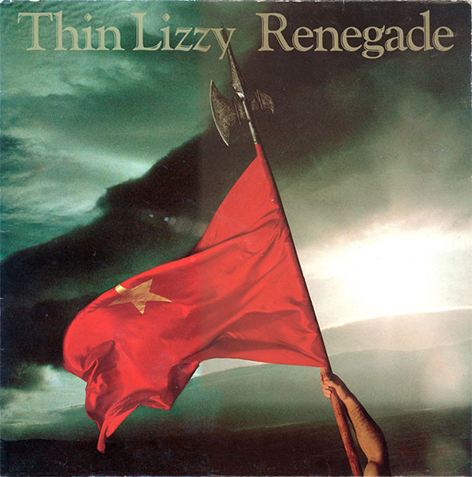
8. Renegade (Vertigo, 1981)
An overlooked album, Renegade was another first for Thin Lizzy, as young keyboard player Darren Wharton was embraced as an official band member. It was Wharton’s atmospheric riff that began the album’s doomy opening track Angel Of Death, while a lighter touch was displayed on the swinging Fats and the cinematic Mexican Blood. On what proved to be Snowy White’s final album with the band, he co-wrote the title track with Lynott, whose lyrics were in part inspired by Albert Camus’s The Rebel. It was one of the last great Thin Lizzy songs – as was the album’s only single, Hollywood (Down On Your Luck).
Key track: Renegade
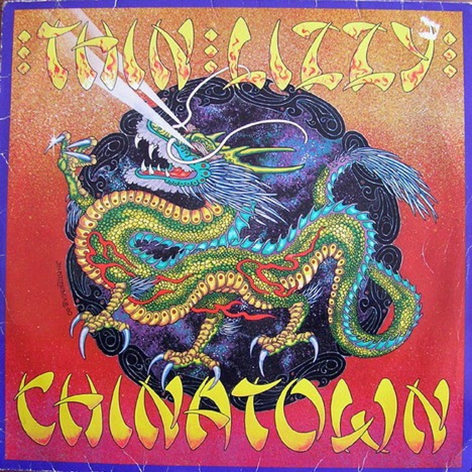
7. Chinatown (Vertigo, 1980)
After Gary Moore exited Thin Lizzy in the middle of a US tour in 1979, Ultravox’s Midge Ure acted as temporary replacement before Terence ‘Snowy’ White took the job full-time. Having played second lead to David Gilmour when Pink Floyd toured The Wall, White gelled immediately with Scott Gorham. Lizzy’s twin-guitar attack was as potent as ever on Chinatown’s electrifying title track and Killer On The Loose, the latter a Top 10 hit despite Lynott’s defiantly disturbing lyrics. However, with Lynott now heavily into what he called “Fleetwood” (Mac: smack), it was on this album that his quality control began to slip.
Key track: Chinatown
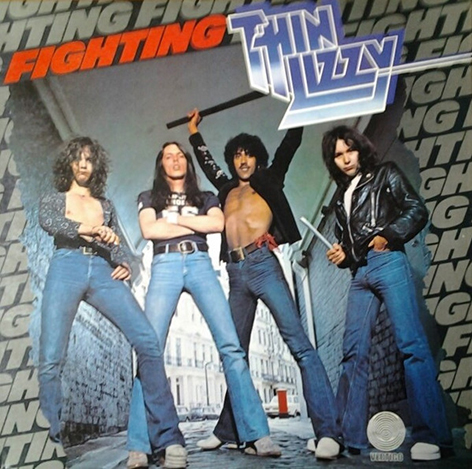
6. Fighting (Vertigo, 1975)
When 1974’s Night Life album flopped, Lizzy blamed producer Ron Nevison. Scott Gorham thought Nevison’s mix was so lightweight that he wondered, “Are we a rock band or a cocktail band?” The answer came with the follow-up, produced by Lynott, and provocatively titled Fighting. The band posed on the cover as tooled-up heavies to convey the muscle of street-tough songs such as Ballad Of A Hard Man and Suicide. More poetically, Lynott drew on his Irish heritage on the elegiac Wild One, and honoured a troubled Irish hero and kindred spirit, George Best, on For Those Who Love To Live. And his charisma made a cover of Bob Seger’s song Rosalie into a Thin Lizzy anthem.
Key track: Rosalie
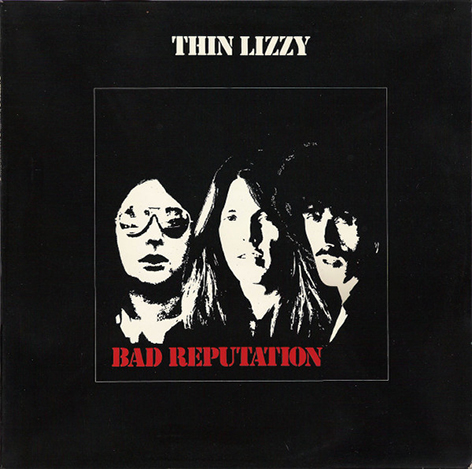
5. Bad Reputation (Vertigo, 1977)
By 1977, Brian Robertson’s taste for drinking and fighting had become a problem even for a band as debauched as Thin Lizzy. After Lynott fired Robertson, Lizzy recorded Bad Reputation as a trio, with Scott Gorham playing all guitars: the signature lead har-monies on Southbound, the deft funk licks on the finger-clicking Dancing In The Moonlight (It’s Caught Me In Its Spotlight), and the heavy staccato riff of the title track. At Gorham’s request, Robertson was reinstated in time to play on three tracks, including the sinister Opium Trail. But by July ‘78 Robbo was gone for good. As Bad Reputation proved, Thin Lizzy could live without him.
Key track: Dancing In The Moonlight (It’s Caught Me In Its Spotlight)
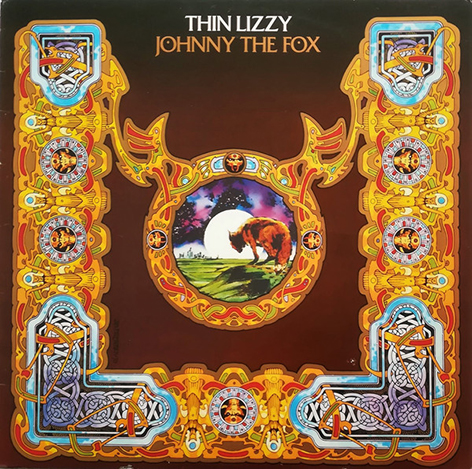
4. Johnny The Fox (Vertigo, 1976)
Lizzy’s second great album of 1976, released just seven months after Jailbreak, was partly a result of an enforced lay-off. Having contracted hepatitis on a US tour, Lynott was recuperating in a Manchester hospital when he wrote many of the songs for Johnny The Fox. The last studio album to fully feature the classic Brian Robertson line-up, it produced another hit in Don’t Believe A Word, a blistering rocker and a warning to Lynott’s many future conquests. Johnny The Fox Meets Jimmy The Weed, with its snapping drum rolls and slinky blaxploitation-style riff, would later be sampled on hip hop records.
Key track: Don’t Believe A Word
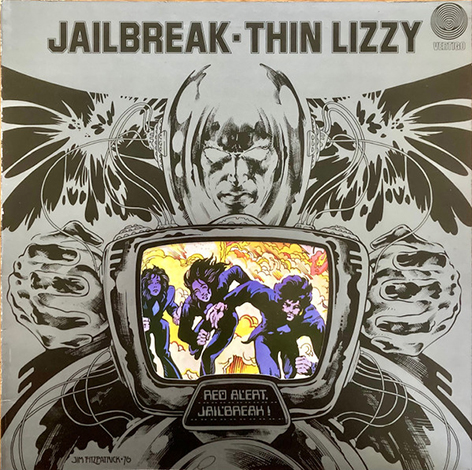
3. Jailbreak (Vertigo, 1976)
After two poor-selling albums for Vertigo, Thin Lizzy desperately needed a hit. It came by surprise, with a song that almost missed the cut for the Jailbreak album. As Scott Gorham recalled, “We were touring America and our management said The Boys Are Back In Town was bustin’ out of the Midwest.” Hitting Number 12 in America and Number 8 in the UK, it was a Friday night anthem that, in Lynott’s words, “every street gang in the world can relate to”. The album’s menacing title track, and the outlaw tales of Warriors and Emerald, confirmed Lizzy’s reputation as rock’s meanest young gunslingers.
Key track: The Boys Are Back In Town
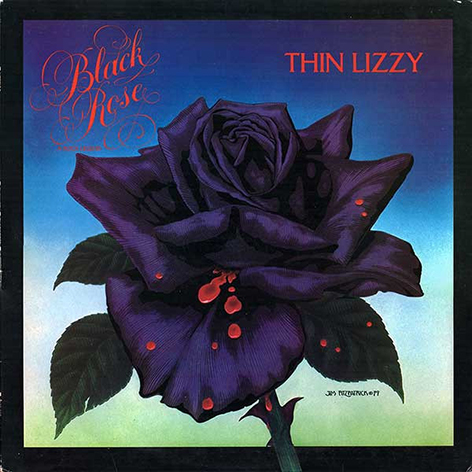
2. Black Rose (Vertigo, 1979)
Gary Moore had played with Thin Lizzy, off and on, since 1974, but it was on Black Rose that the Belfast-born guitarist truly put his stamp on the band, an inspired choice as replacement for Brian Robertson. Both Moore and Lynott were working on solo records between Black Rose sessions (Moore’s Back On The Streets would produce the Lynott-fronted hit Parisienne Walkways), but their best songs were reserved for the Lizzy album, notably the Irish folk-themed epic Roisin Dubh (Black Rose), A Rock Legend and the stinging Waiting For An Alibi. Tellingly, Lynott’s drug binges led Moore to quit Lizzy in July ‘79.
Key track: Waiting For An Alibi
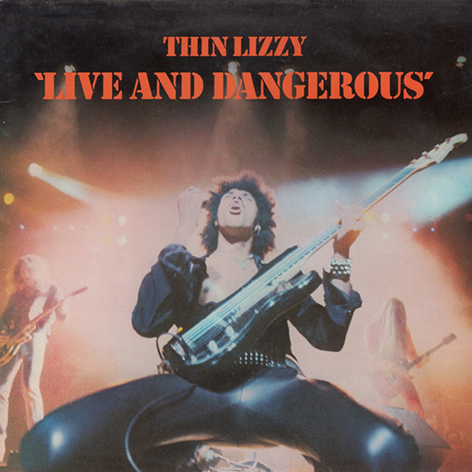
1. Live And Dangerous (Vertigo, 1978)
Famously eulogised by Nick Kent as “an album made by heroes”, Live And Dangerous is arguably the greatest live rock album ever made. It was recorded at London’s Hammersmith Odeon in November 1976, with additional material from Toronto and Philadelphia in ‘77. All of the key songs from the Gorham/Robertson era are featured, the two guitarists trading stunning solos on the emotionally charged Still In Love With You. Despite allegations of heavy overdubbing, Live And Dangerous was the first true representation of Thin Lizzy’s power. In Britain, only the Grease soundtrack kept it off Number 1.
Key track: Jailbreak